
The Soul of the Image: Peter Fetterman on Why Quality is Everything
Born in London, Peter Fetterman has been deeply involved in the medium of photography for over 40 years. Initially a filmmaker and collector, he set up his first gallery over 30 years ago in 1988. He was one of the pioneer tenants of Bergamot Station, the Santa Monica Center of the Arts, when it first opened in 1994.
Peter’s gallery, Peter Fetterman Gallery is one of the largest inventories of classic 20th Century photography in the country particularly in humanist photography. Diverse holdings include work by Henri Cartier-Bresson, Sebastião Salgado, Steve McCurry, Ansel Adams, Paul Caponigro, Willy Ronis, André Kertesz, Manuel Alvarez Bravo, Lillian Bassman, Pentti Sammallahti, Sarah Moon and Jeffrey Conley. His daily blog, The Power of Photography, has promoted the work of scores of photographers and is seen by many thousands of people around the world.
Peter has also written multiple books on photography including The Power of Photography (2022), Women: A Celebration (2003), and Cornell Capa (2002).
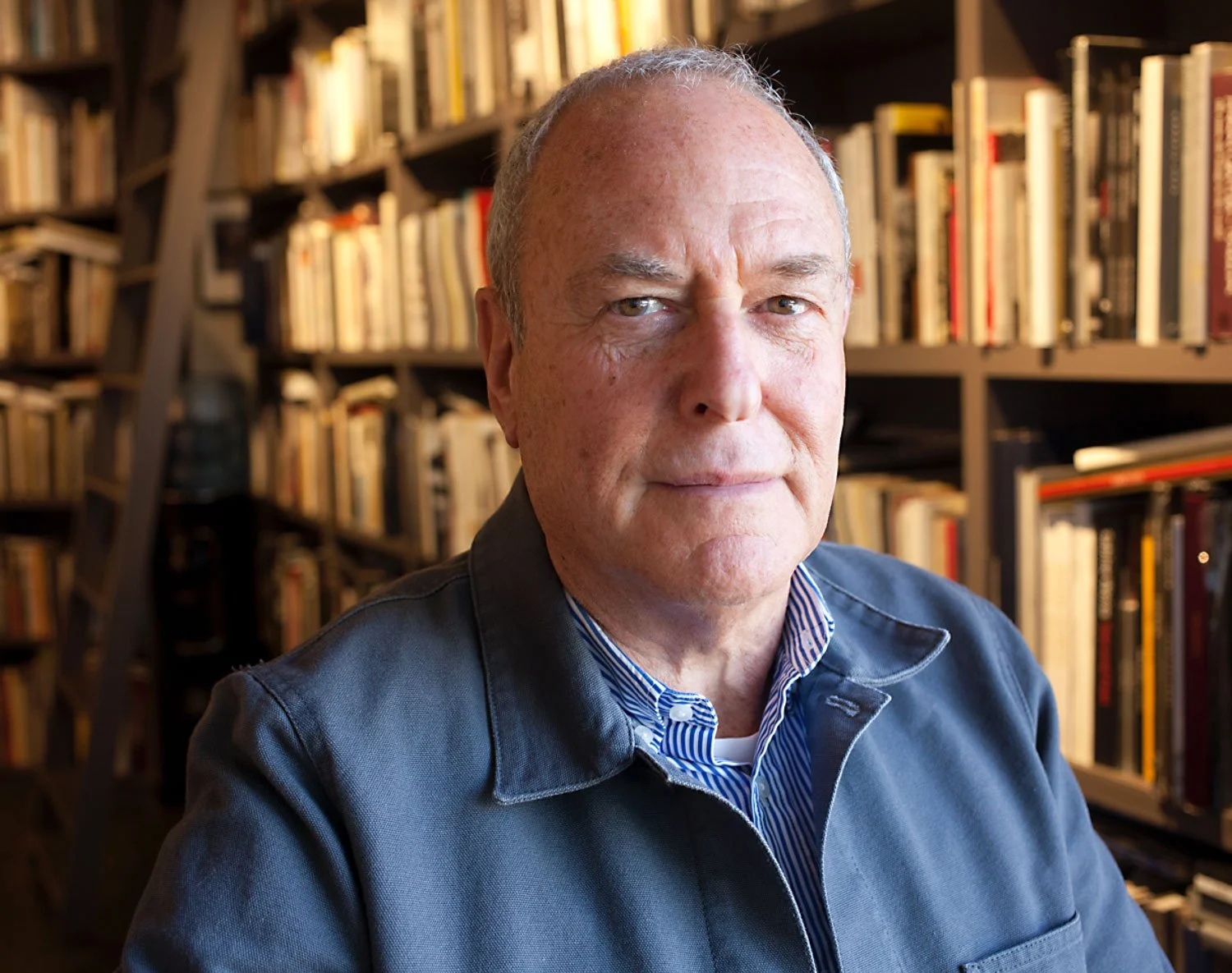
© David Montgomery
HM: Peter, tell us where you are from and where you grew up.
PF: I was born in the East End of London—Hackney—before it was trendy. It was a shtetl. We were poor; no books in the house. But I sensed a bigger life outside that tenement and I used obsession to reach it: films, museums, libraries. My whole life feels like a fantasy. I’m still surprised I ended up in it.
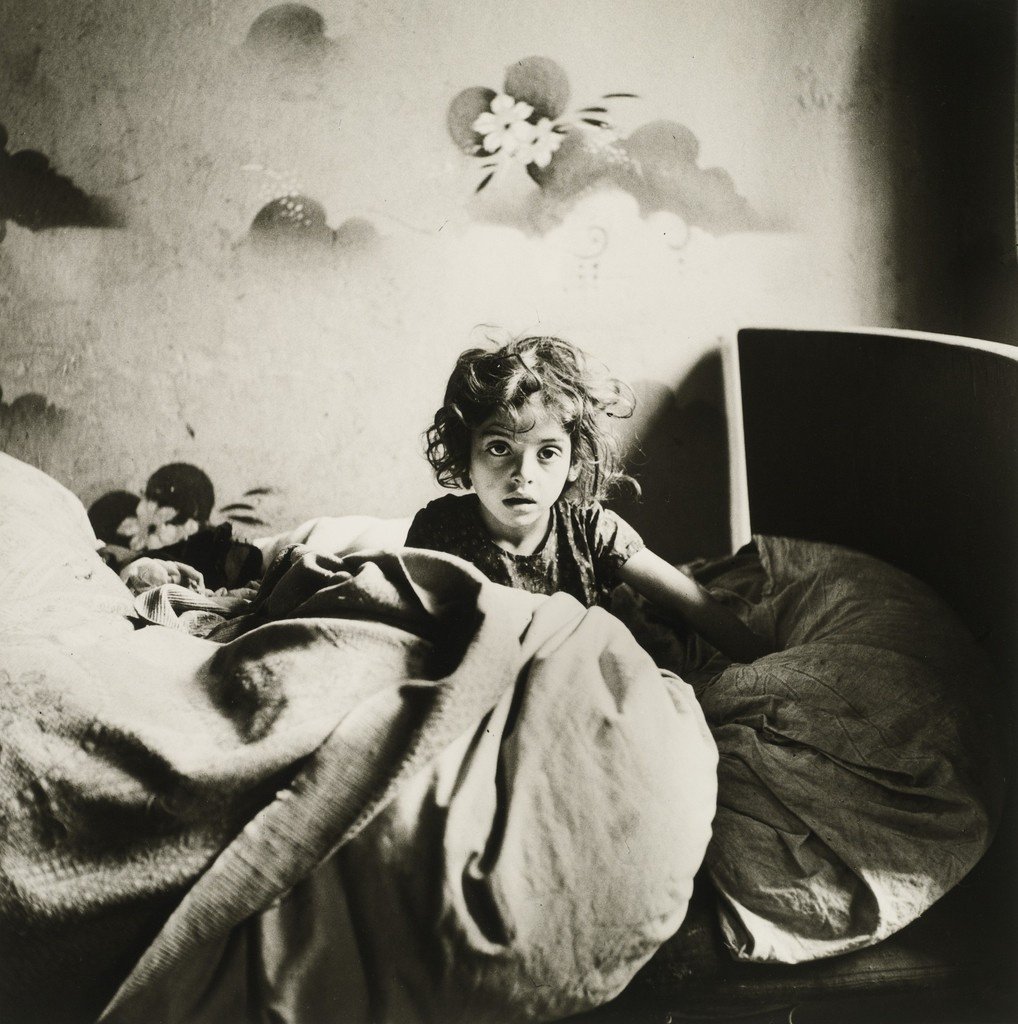
Roman Vishniac (Russia, b. 1897-1990)
Sara, the Only Flowers of Her Youth, Warsaw, Poland, 1939
© Roman Vishniac. Gift of Mara Vishniac Kohn, Magnes Collection of Jewish Art and Life, Bancroft Library, University of California, Berkeley.
HM: (smiling) That’s powerful—the idea that curiosity is your first escape hatch.
PF: The English class system is relentless. It’s a social prison: What school did you go to? What did your father do? England is a “no” society. America—for all its faults—is a “yes” society. Even while I was in England, I believed in the American dream.
HM: Immigrating takes a courage that isn’t talked about enough.
PF: You’re half in your background, half in your new environment. You have to build an internal home.
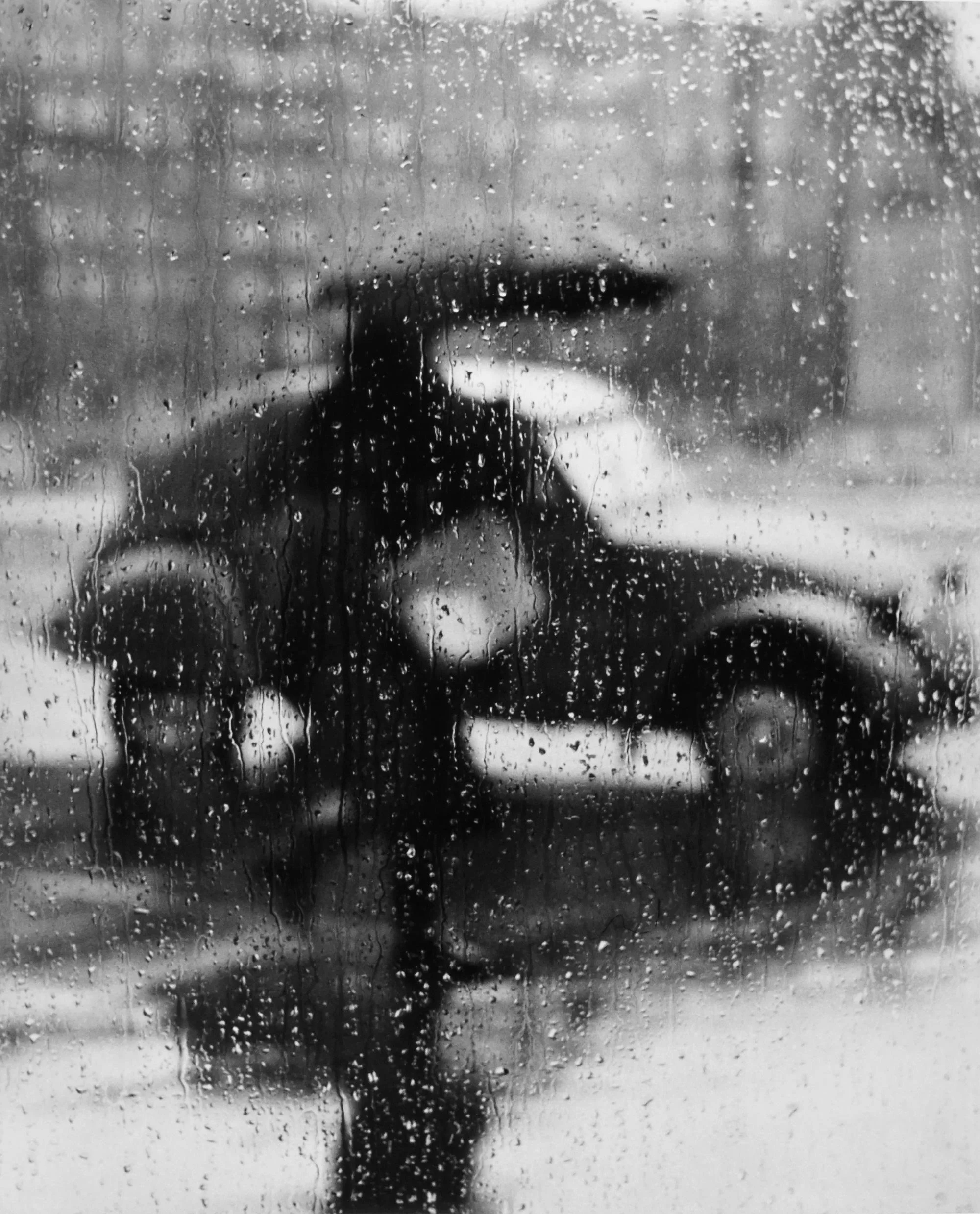
Sabine Weiss 1924
La 2CV, Paris, 1957 (Printed Later)
© The Estate of Sabine Weiss / Courtesy Peter Fetterman Gallery
HM: (nodding) That’s so real. When I came to England in 1966,to study at London College of Printing and Graphic Art (Today College of Communication part of UAL) class was still there, but something cracked open. The exciting new things were being created by working-class people.
PF: Totally. You broke out through fashion, music, or photography. That was the golden horse. Like the Beatles or David Bailey—they just ripped the doors off culture.
HM: Yeah. There was anger. Frustration. Hunger. And it became fuel.
But I’ll say this: England was good to me. Many of my closest friends and business partners are English, people I’ve known for fifty years.
There’s a kind of emotional stability English people have. And good manners — many of them. (laughs)
Also… the food got better.
PF: (laughing) Westbourne Grove—those Indian dives. That’s how we survived.
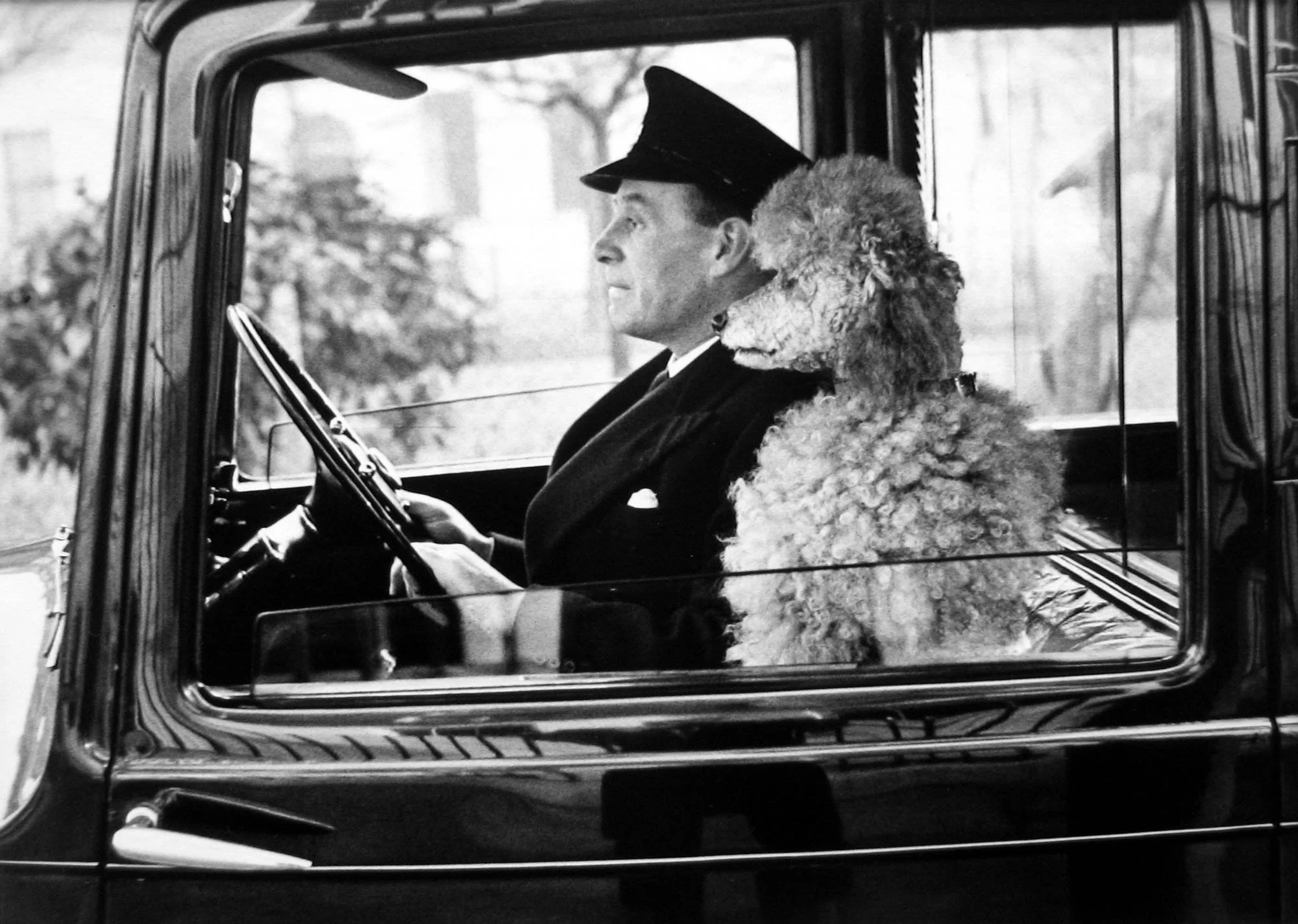
Thurston Hopkins 1913-2014
La Dolce Vita, Knightsbridge, London, 1953
© Thurston Hopkins / The Grace Robertson | Thurston Hopkins Archive / Courtesy of Peter Fetterman Gallery
HM: Peter, take me to the moment photography became your thing.
PF: In the movie business, you’re always dependent on others to bless your taste. It’s frustrating and brutal. Then I discovered photography. In collecting, you can act immediately. What’s the worst that happens? You buy a photograph you love and no one else loves it. You still win.
I started out of the back of my beat-up Honda. I was like the Tupperware lady. I’d sell a photo on Sunday and buy two more on Monday. It became my oxygen.
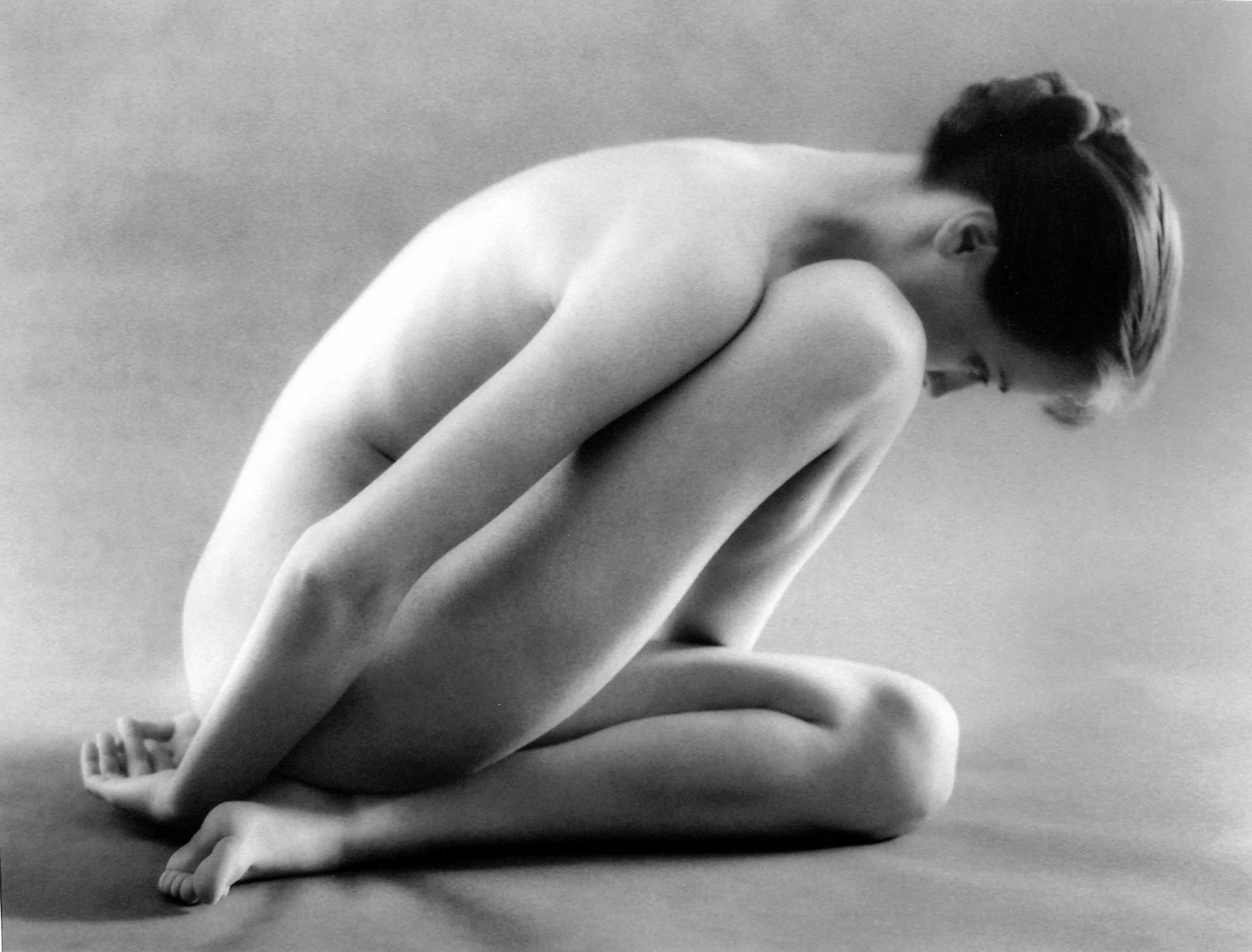
Ruth Bernhard 1905-2006
Folding, 1962
© Estate of Ruth Bernhard / Courtesy Peter Fetterman Gallery
HM: Your gallery has such emotional punch. What does “The Power of Photography” mean to you?
PF: It means I have to learn something every day. The great photographers were elders to me—highly intelligent and deeply human. Collecting is autobiography; you’re attracted to images that represent your worldview or the part of yourself you’re trying to understand.
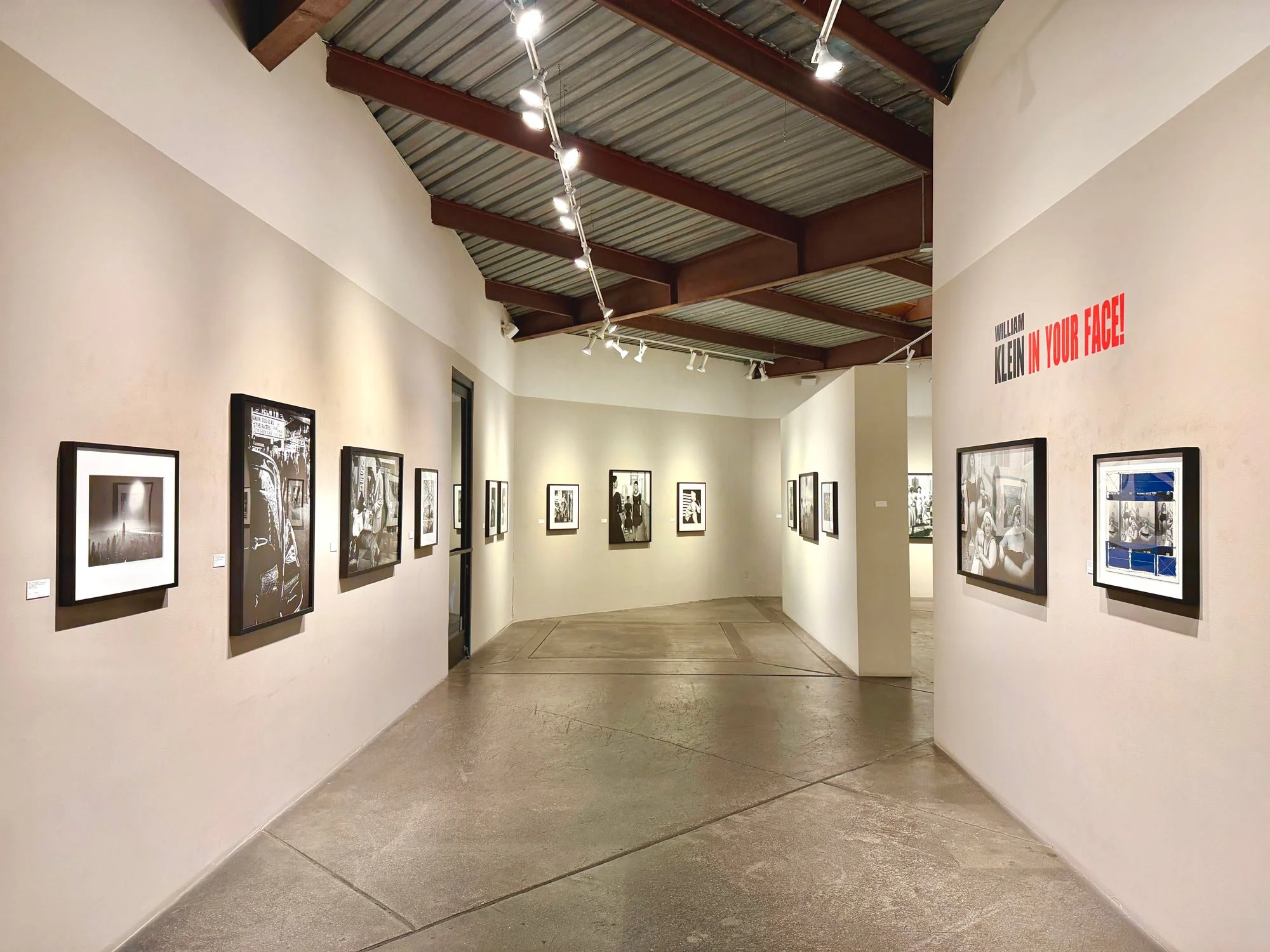
© Peter Fetterman Gallery
HM: Your project The Power of Photography... when did you first use that expression?
PF: It was the beginning of Covid. The world shut down and the words just floated into my brain. I decided to choose one image a day, write a few words, and send it out. I thought I’d do it for five days, but it gave people hope. I started getting feedback: “You made me feel less alone.” Now, three and a half years later, I’m still doing it.
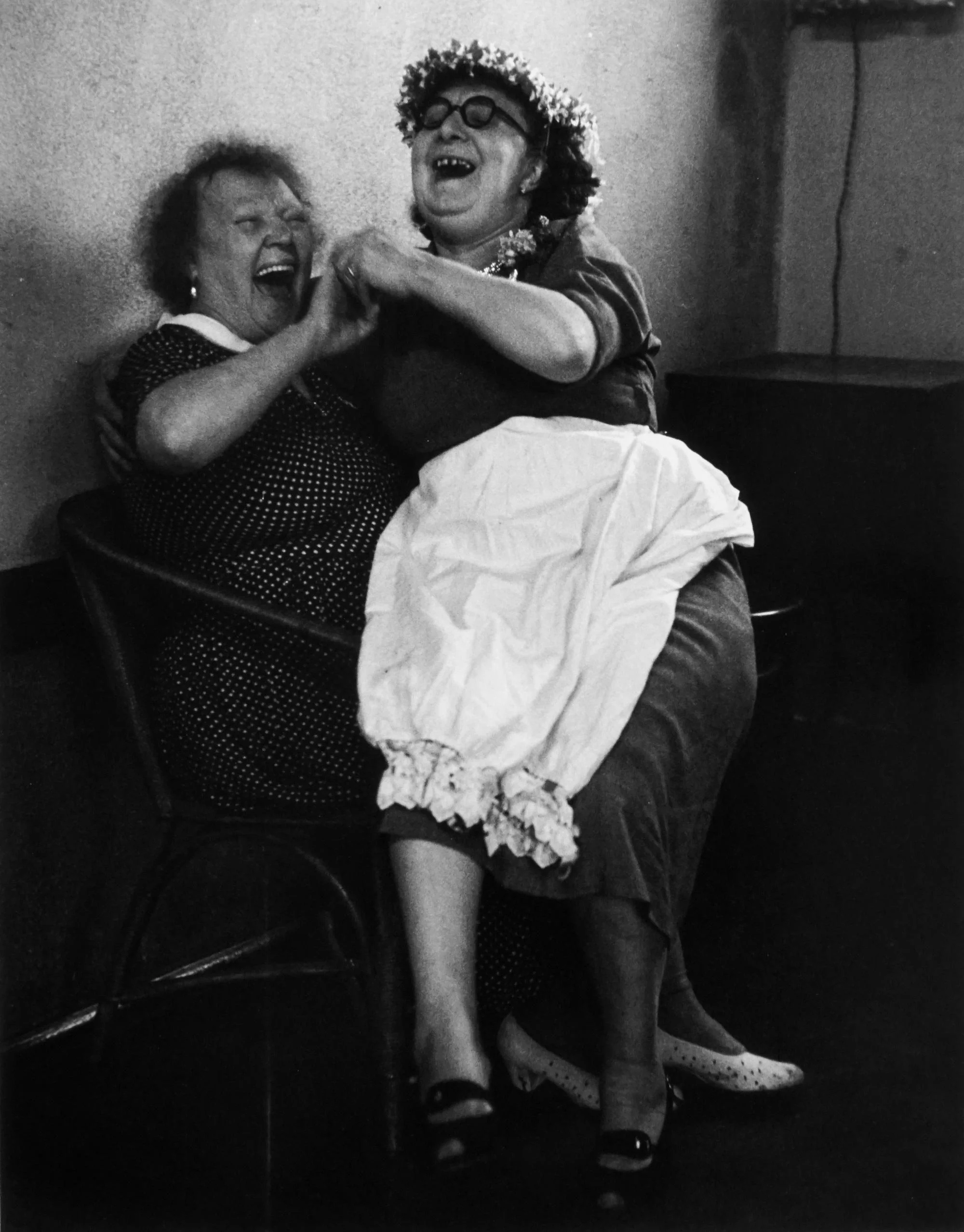
Grace Robertson 1930
The Last Pub and Energy to Spare, [Woman on woman's knee], 1954
© Grace Robertson / The Grace Robertson | Thurston Hopkins Archive / Courtesy of Peter Fetterman Gallery
HM: (softens) Thank God you are. It’s a morning anchor.
PF: I’m trying to be a hopeful guy despite reality. If a great photograph touches me, I naively think it might touch someone else. Matching the image with words is my favorite part. The moment you stop learning, you’re dead.
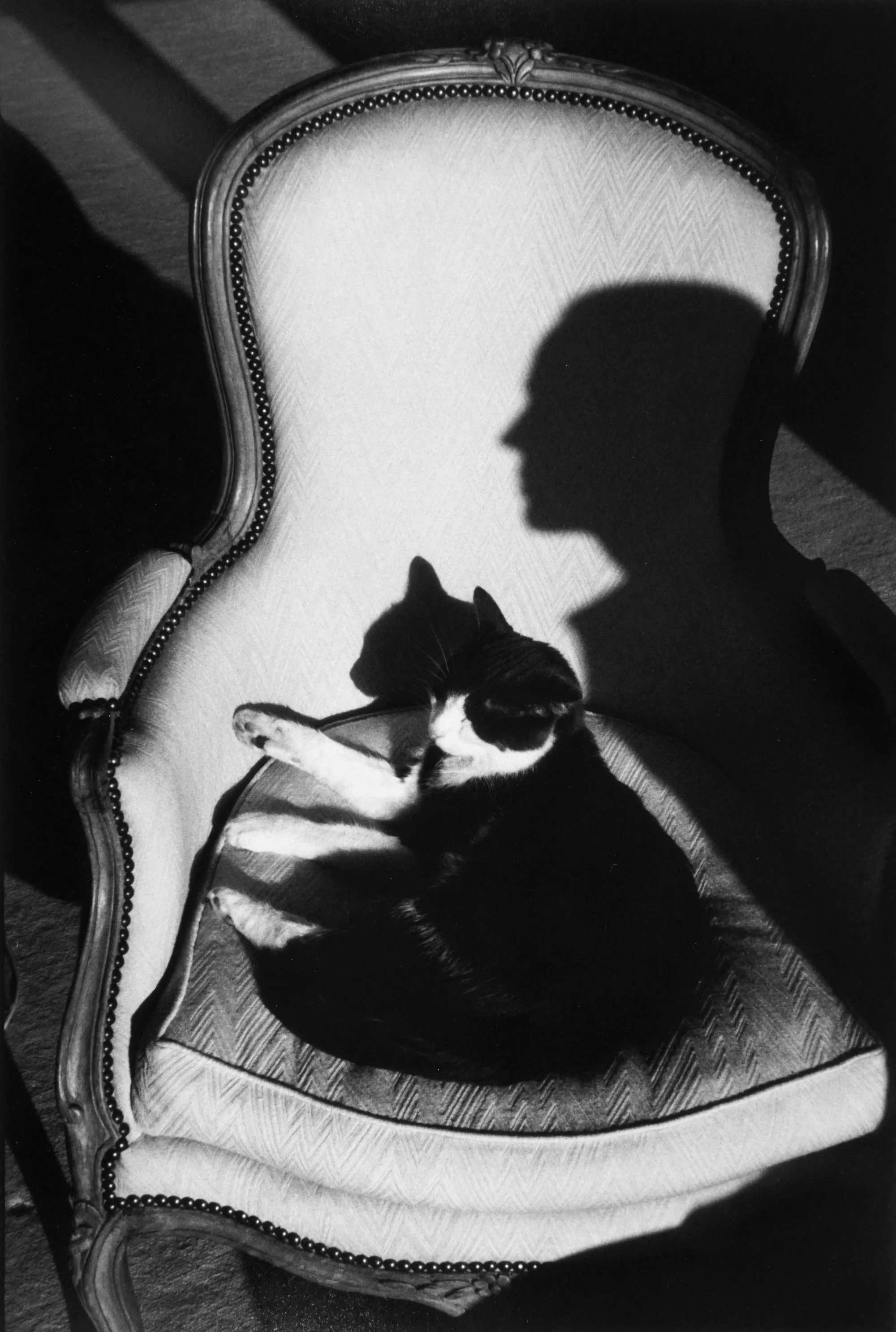
Henri Cartier-Bresson
1908-2004
Our Cat Ulysses and Martine's Shadow, 1988
© Fondation Henri Cartier-Bresson / Magnum Photos / Courtesy Peter Fetterman Gallery
HM: (nodding) I tell my family the same. Everything I do has to be meaningful to me first.
PF: We’re similar. I don’t want to play golf; what a waste of life. We’re lucky—and it’s still a struggle. Running a creative business is a ridiculous tightrope.
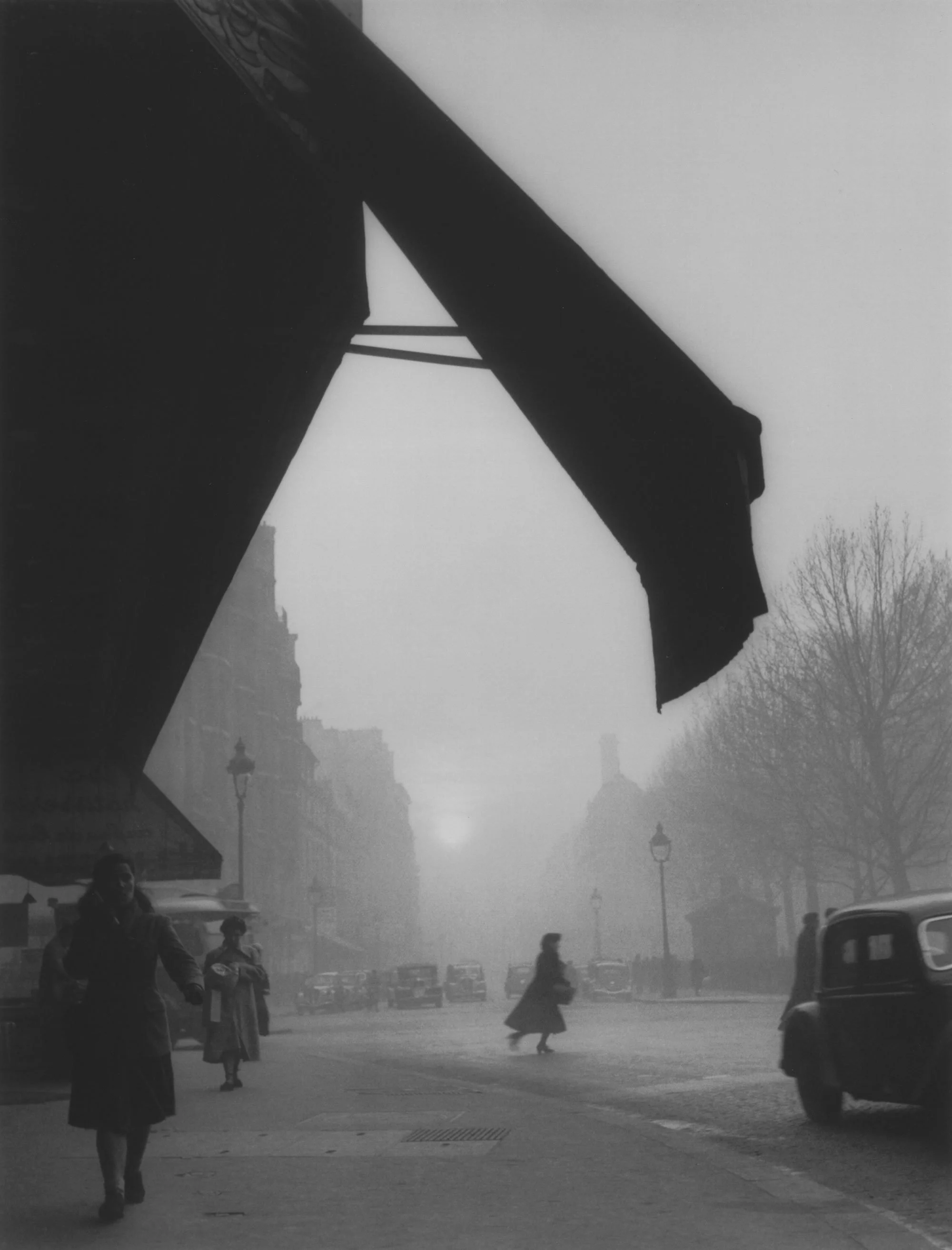
Willy Ronis 1910-2009
Carrefour Sevres Babylone, Paris, 1948
© Willy Ronis, Réunion des Musées nationaux / Courtesy of Peter Fetterman Gallery
HM: Can photography still change the world? Or has it lost that power?
PF: I believe it can. My friend Don McCullin says his life is meaningless because the wars are still going on, but I don't believe that. I think people can still be moved. I’m a naive optimist; I believe in beauty. I’d rather be sentimental than cynical.
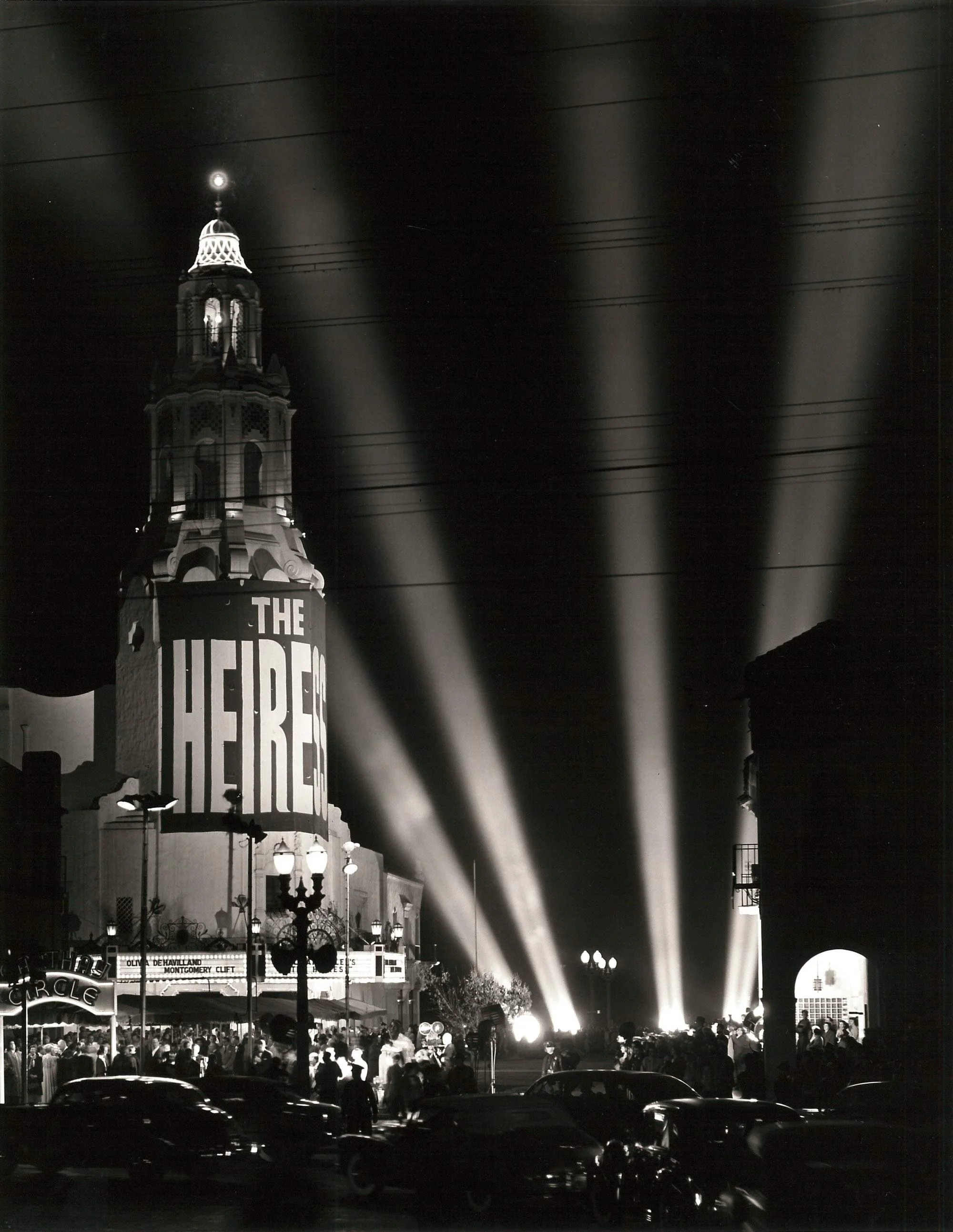
Max Yavno 1911-1985
Premiere at Carthay Circle Los Angeles, CA, 1949
© Max Yavno / Courtesy Peter Fetterman Gallery
HM: Is beauty still a radical act?
PF: Absolutely. I think the older we get, the more we need nature. Why are we destroying trees? We should be planting them. That’s why I work with people like Salgado.
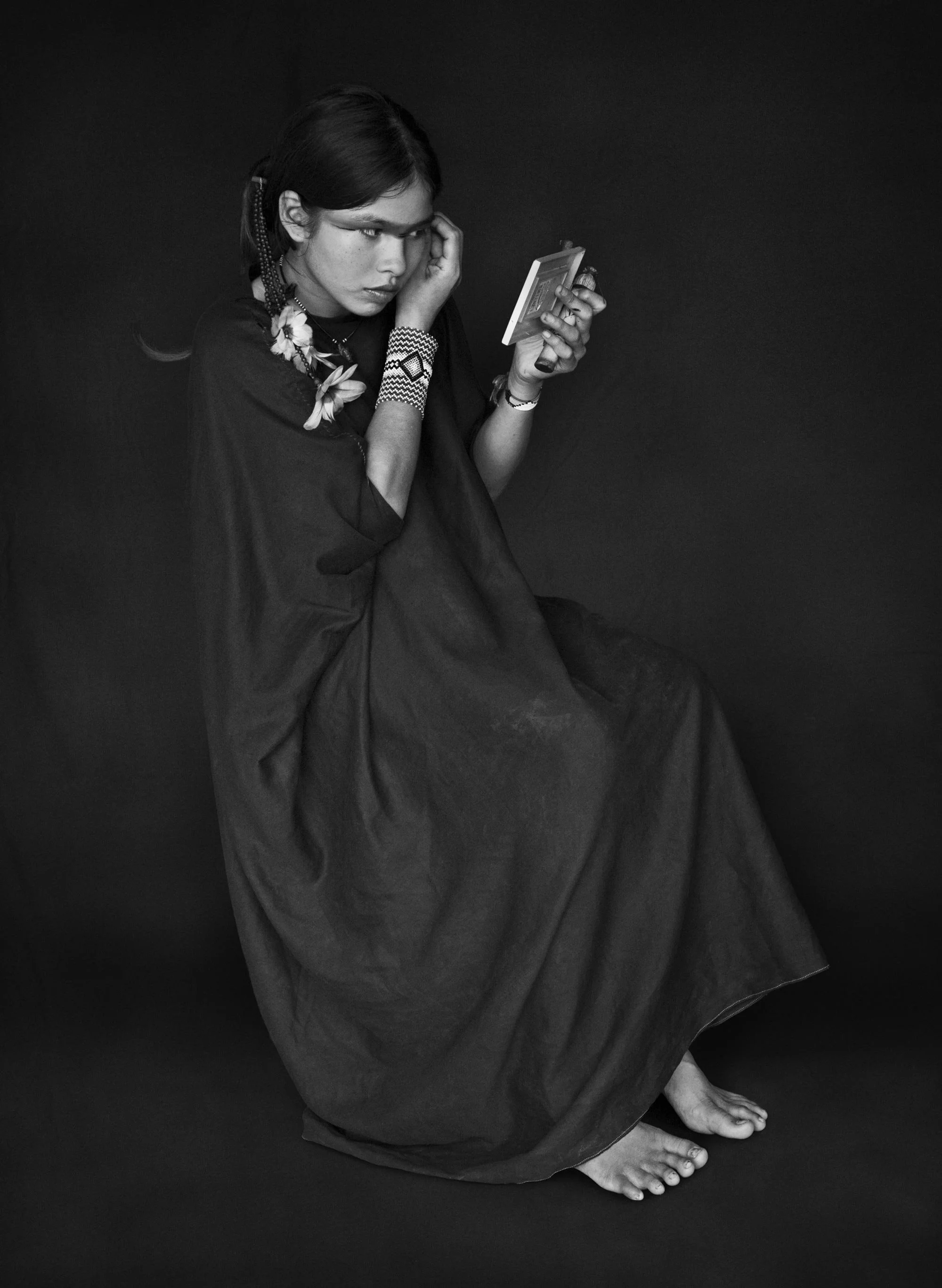
Sebastião Salgado 1944
-2025
Ashaninka, State of Acre, Brazil, 2016
© The Estate of Sebastião Salgado / Amazonas Images / Courtesy Peter Fetterman Gallery
HM: What is the responsibility of a gallery?
PF: To support people you believe in. But you have to be selective. It frustrates me that price gets equated with quality. I once had a top curator love the work of Pentti Sammallahti, but when he heard the prints were only $1,200, he said he couldn't mount a museum show because they weren't expensive enough. That’s the bullshit of the art market.
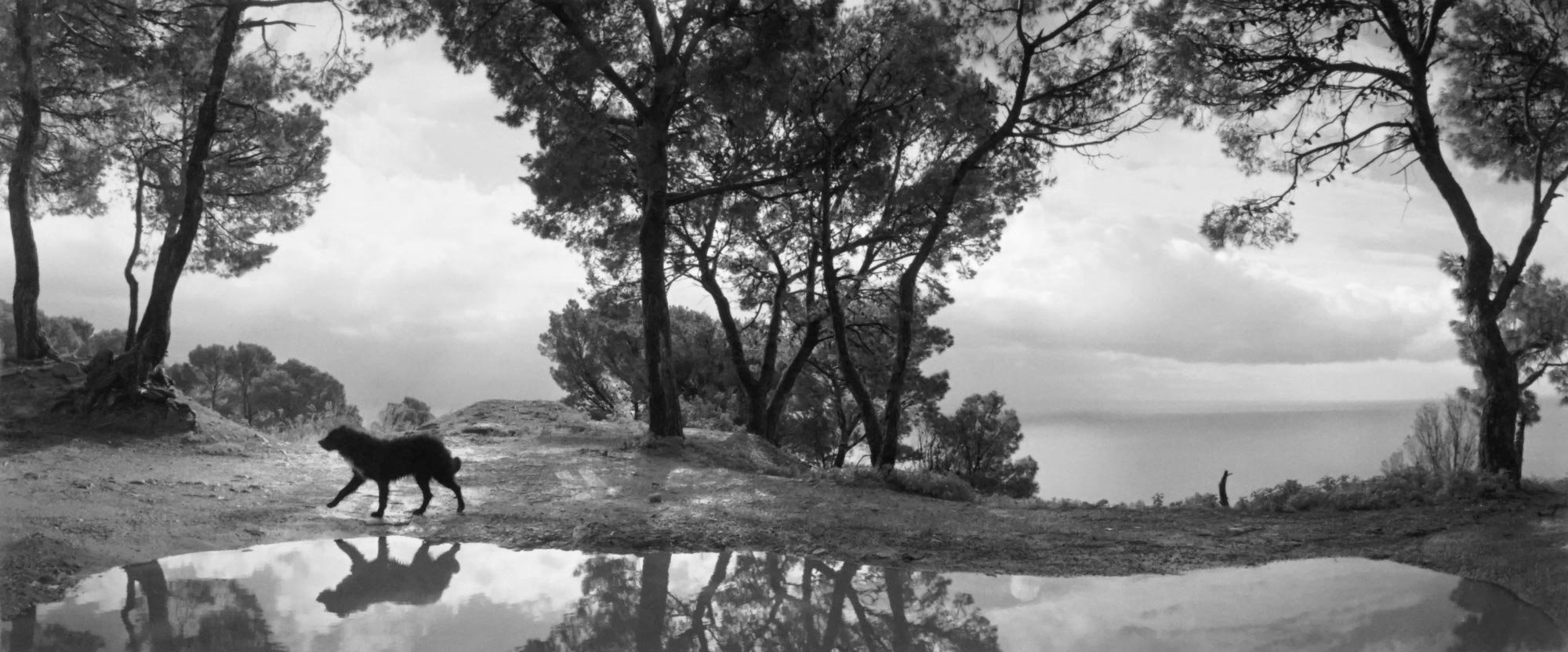
Pentti Sammallahti 1950
Cilento, Italy, 1999
© Pentti Sammallahti / Courtesy of Peter Fetterman Gallery
HM: (laughs) It’s beyond nonsense. I have two of his prints.
PF: Ah, you’re lucky. Those prints remind you what “real” looks like.
HM: How do you keep your sanity?
PF: You have to be a lunatic. Like Don Quixote. Every day is a gamble. I live in a tiny house and drive a beat-up car because I prioritize being surrounded by great photographs.
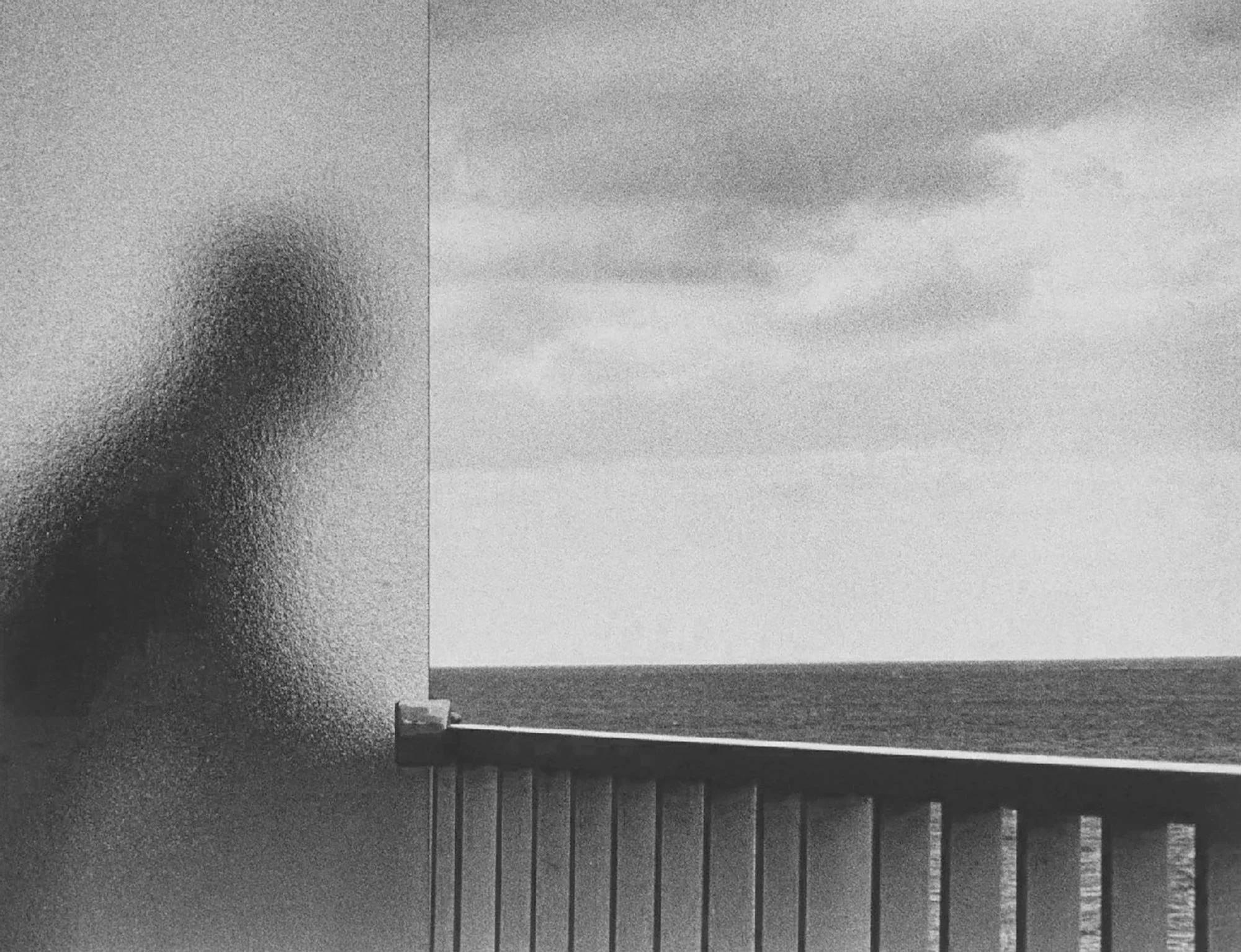
Andre Kertész
Martinique, 1972
© Estate of Andre Kertesz / Courtesy Peter Fetterman Gallery
HM: What worries you most about photography today?
PF: The lack of a new generation of collectors. Everything has to be an instant “experience” or a TikTok. But the internet also means my gallery is open 24 hours a day. I just need five or six good collectors who believe in my taste.
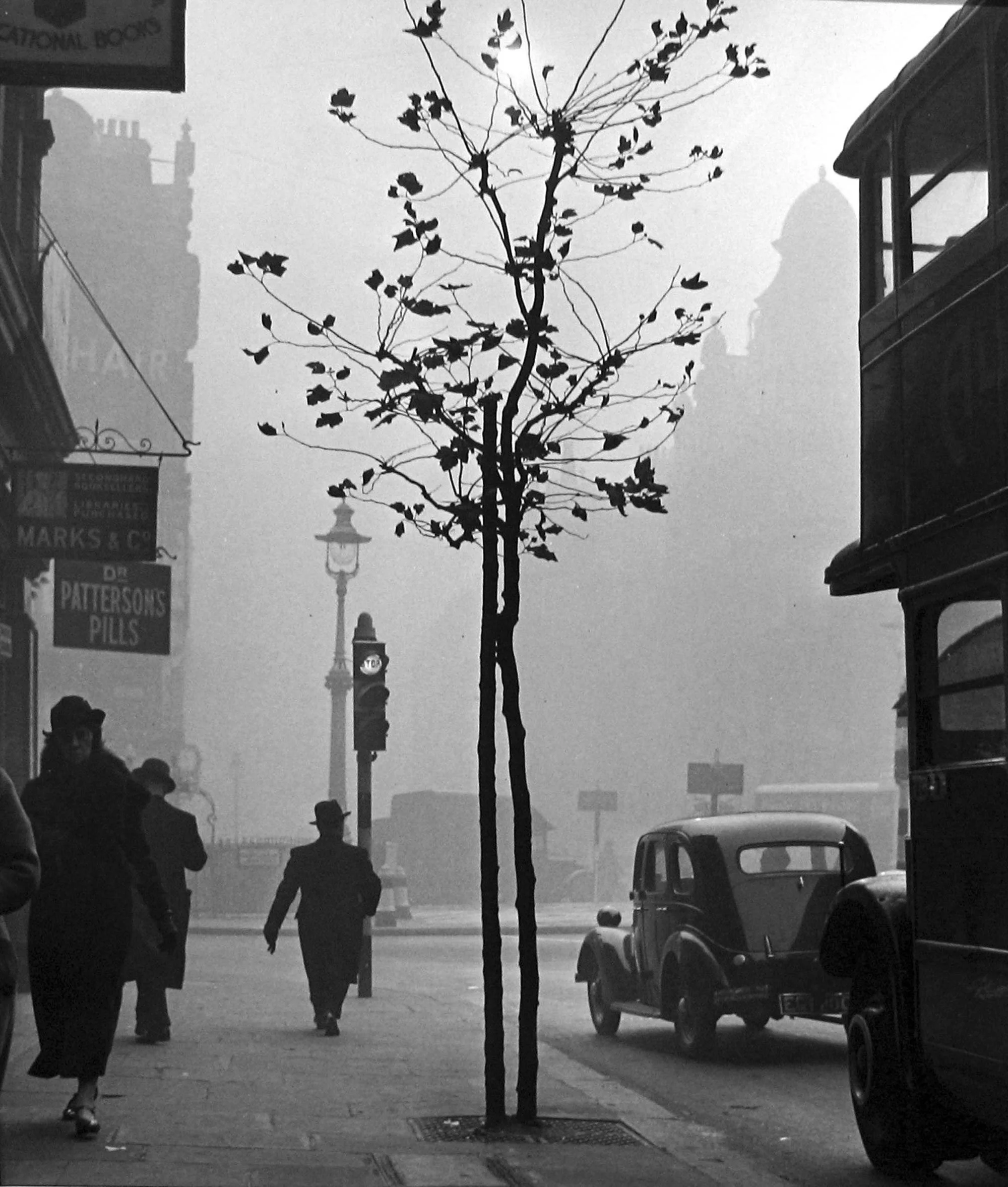
Wolfgang Suschitzky 1912-2016
Charing Cross Road from No. 84, (Marks & Co.), 1936
© Wolfgang Suschitzky / Courtesy of Peter Fetterman Gallery
HM: Maybe the way forward is to learn how to speak to the younger generation differently.
PF: I agree. We have to change. You’ve inspired me to try.
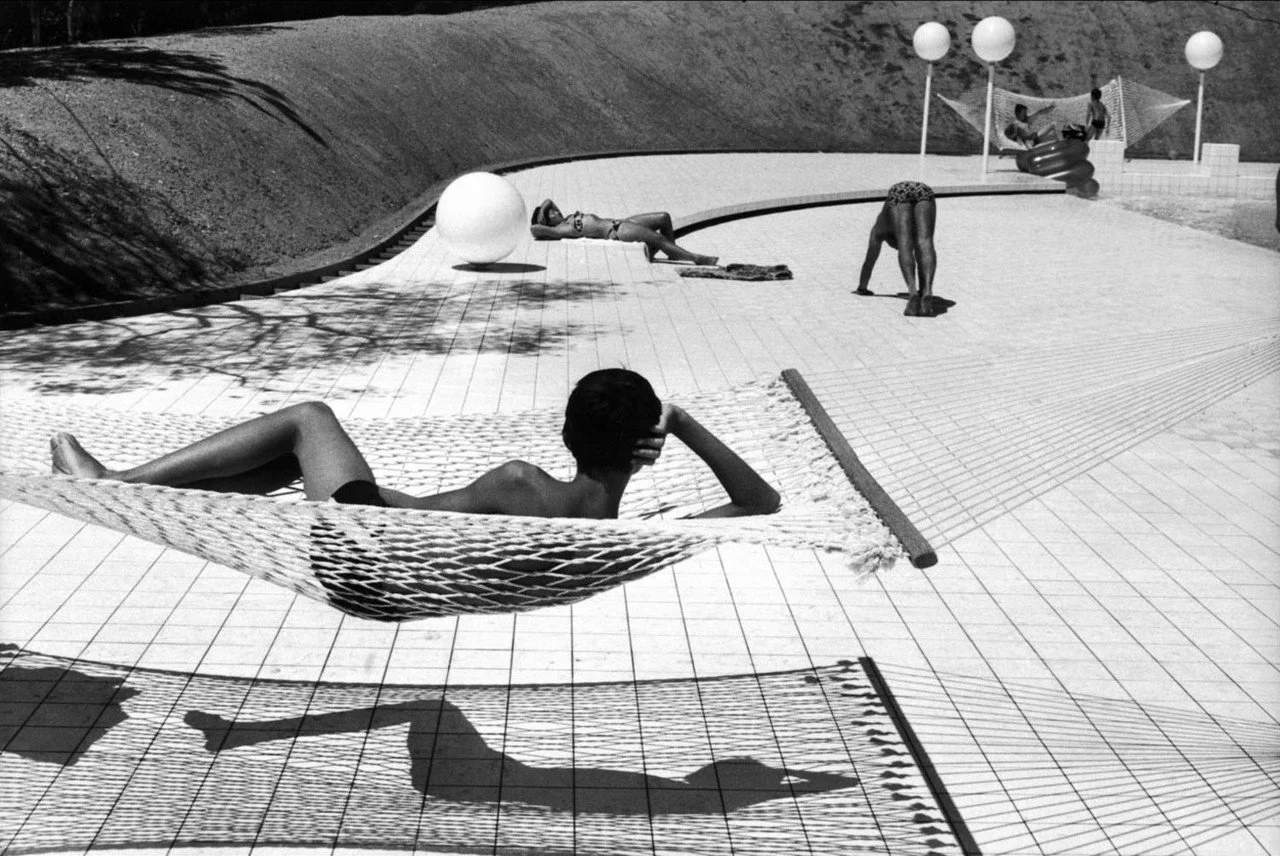
Martine Franck
Swimming Pool Designed by Allan Capeilleres, Le Brusc, Var, France, 1976
© Martine Franck / Magnum Photos / Courtesy Peter Fetterman Gallery
HM: It’s all of us. At the end of the day, does the image move you? That’s what great art does.
PF: You have to keep your childlike wonder. I want someone to walk into my gallery and show me something original—something with a pulse. When that happens, you feel awake again. You want to be an ambassador for them.
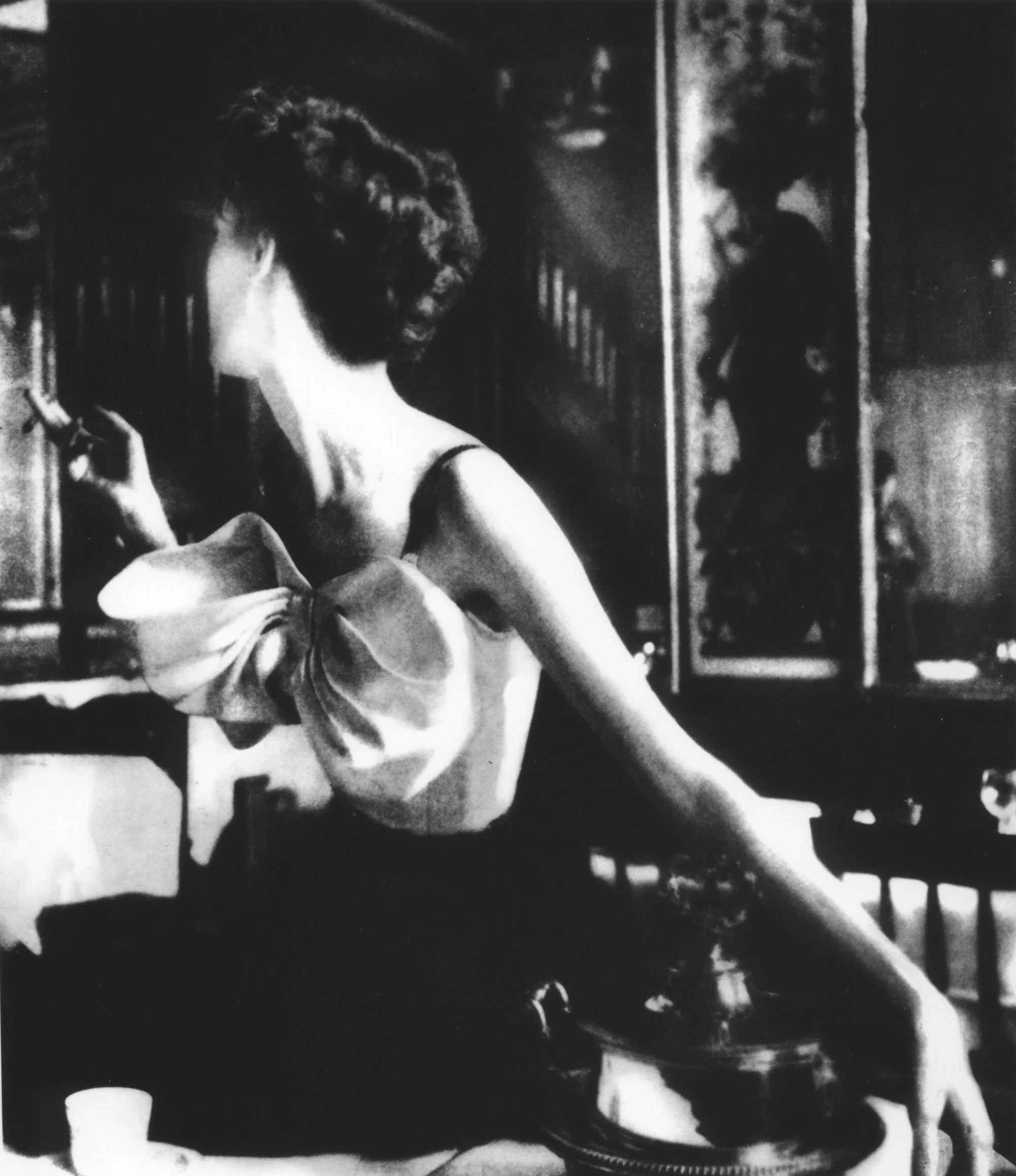
Lillian Bassman 1917-2012
Across the Restaurant at Le Grand Vefour, Barbara Mullen, Harper's Bazaar, Paris [Dress by Jacques Fath], April 1949
© Estate of Lillian Bassman / Courtesy of Peter Fetterman Gallery
HM: What advice would you give young photographers?
PF: Besides having talent, conduct yourself well. Be respectful of people’s time. There’s no simple way; luck plays a part, but so does determination. Stick to your vision. Everyone needs a patron. You just have to find them.
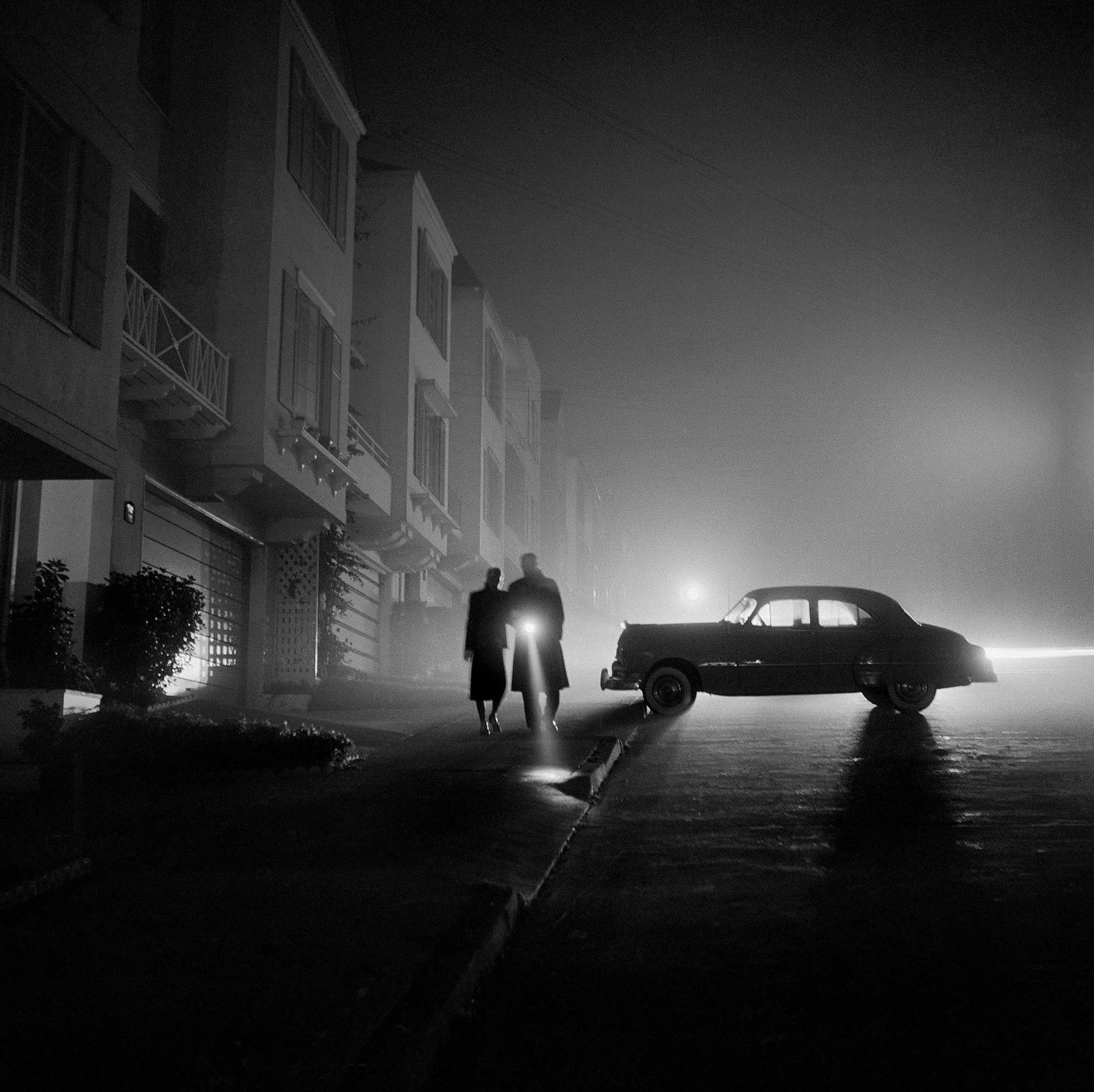
Fred Lyon 1924-2022
Foggy Night, Land's End, San Francisco, CA, 1953
© The Estate of Fred Lyon / Courtesy Peter Fetterman Gallery
HM: Do you remember a moment like that?
PF: Yes, with Jeffrey Conley. He was an assistant at the Ansel Adams Gallery. I liked his sincerity, and his work was fantastic. Now he’s a success. Miracles happen. There are needles in haystacks, and it’s a gallerist's job to help them shine. Those relationships make everything worth it.
HM: How would you like the Peter Fetterman Gallery to be remembered?
PF: I hope we put on shows that people remember—shows that made them feel more alive. Whether anyone buys the photos or not, the point is: did it land? Did it change somebody? That’s what I care about.
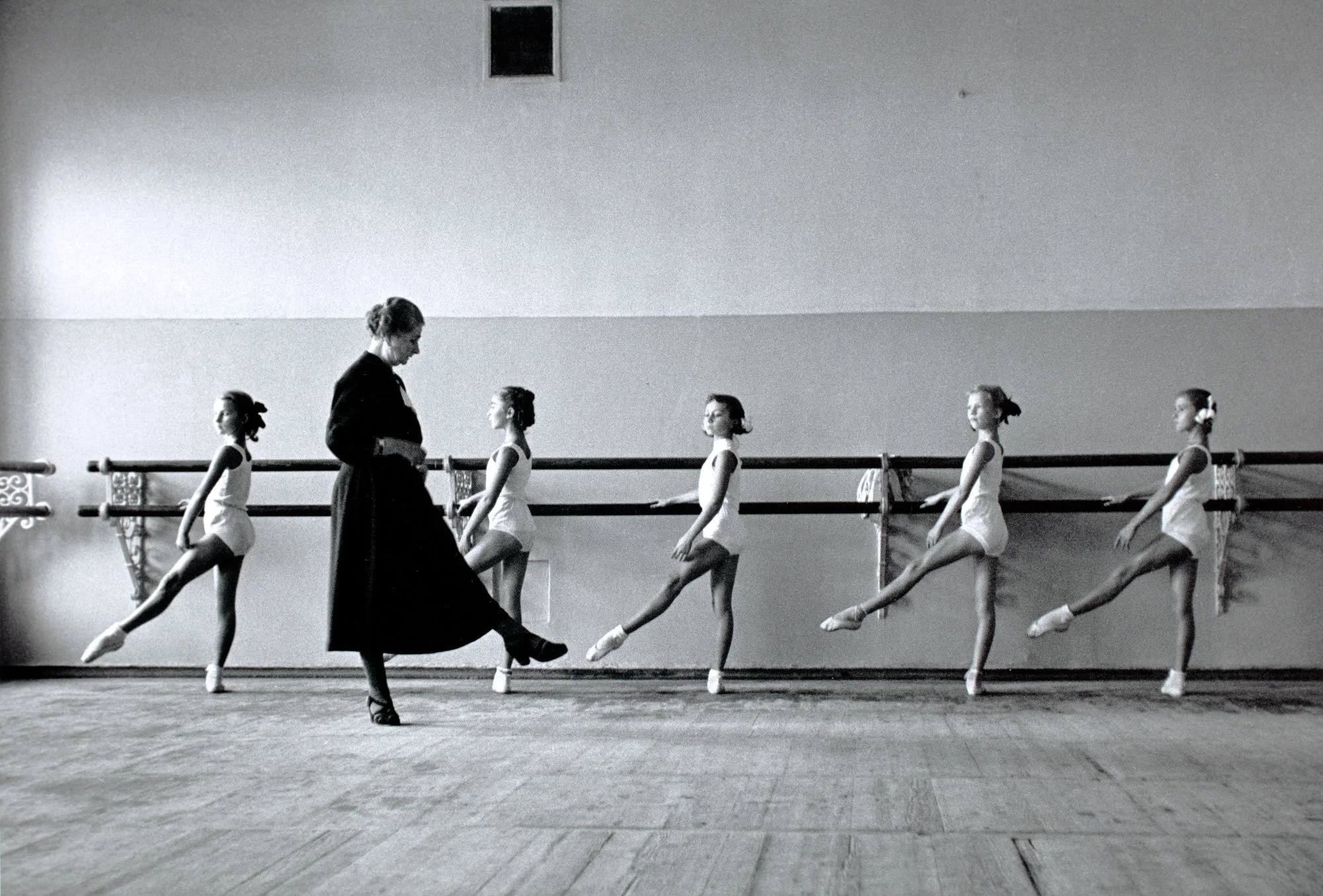
Cornell Capa 1918-2008
Bolshoi Ballet School, Moscow. Horizontal image with Children., 1958
© Cornell Capa / Courtesy Peter Fetterman Gallery