
Stephan Goss: From Tech Founder to Frontline
Stephan Goss was born in Zurich, Switzerland in 1988. After moving to the States to study he set up three tech companies. With the ability to work remotely once Covid hit he had the opportunity to follow his passions of travel and photography resulting in 5 years spent documenting conflict and post-conflict zones such as Ukraine, Afghanistan and Syria. Coupled with his humanitarian work, his unique perspective has helped to reveal unseen aspects of these countries.
HM: Stephan, let’s start with your background. Where are you from, and how did this life of constant travel begin?
SG: I’m originally Swiss. I moved to the US in 2007 when I was 19, studied there, and ended up starting three tech companies. I stayed in the States until Covid hit.
When the pandemic started, my work suddenly became fully remote. Before that, I always had to be in one place; after that, I could be anywhere with Wi-Fi. So while most people were stuck at home, I was one of the few who actually had a lot of fun traveling.
During Covid I went to something like 25 countries. I would literally look at which borders were open and just go there. At first I was in Joshua Tree, then way up in Northern California. My sister was getting married in Europe in the middle of 2020, so I flew over for that—and once I was there, I realized: “Well, I can just keep going.”
From then on it was a chain reaction: I’d go from whichever country would let me in to the next one that would let me in. At one point I was in France when Macron went on TV and announced another lockdown starting the next day. I remember thinking, “I really don’t want to be stuck here in an apartment again.”
So I went straight to the airport. The only country that would take me at that moment was Sweden—so I fled to Sweden. From there I ended up going to Africa, then all over Africa. It’s been pretty wild.
Kabul Animal Market
June 4th 2025
HM: You’re known now for your images in conflict and post-conflict zones. How did photography enter the picture in all of this?
SG: Honestly, it started pretty casually. I was in Africa one day and thought, This would be pretty interesting to photograph. So I picked up a camera.
Even now, I’d describe myself as a solidly okay photographer. I’m not going to claim I’m some technical genius. Where I really excel is in getting myself to where interesting things are happening.
A lot of photographers underestimate how important people skills are. It’s not just about exposure and composition—it’s:
How do you negotiate access to places you’re not normally supposed to see?
How do you make friends in very different cultures?
How do you stay out of real trouble—or get into the right kind of trouble?
That’s where my main strength is. Over the last four or five years I’ve been building the technical side of photography so that I can actually make high-quality images of these experiences. But the foundation for me is traveling and adventure.
Kabul Animal Market
June 6th 2025
HM: You also do humanitarian work alongside your photography. How do you combine those two roles?
SG: I do a lot of humanitarian aid work, especially when I’m in active or recently active conflict zones. I’m not a purist about non-intervention.
For example, in Ukraine, whenever I drove somewhere, I’d try to load up the car with food and deliver it along the way. I know some photographers are very strict: “You can’t interact, you can’t alter the scene.”
My attitude is: if I’m already driving into somewhere dangerous, I’m not going to show up empty-handed. It would feel absurd to me to just stand there and take pictures while people are struggling, if I can reasonably help.
I think I can take that approach because I have the luxury of other income sources from tech. I’m not purely dependent on selling those images, so I’m comfortable blurring the lines a bit between aid worker and photographer.
HM: What kind of stories and environments draw you in the most?
SG: Most of what I do is conflict-related or post-conflict: Ukraine, Afghanistan, Syria to some extent. Afghanistan now is more “post-conflict” than active war, but the scars are everywhere.
I’m very drawn to protests and big news events. The analogy I use is this: if you could go to Paris in 1944 and hang out with the resistance, wouldn’t you want to? That’s basically how my life feels a lot of the time.
Sometimes I’m with the “good guys,” sometimes with the “not-so-good guys,” but it’s always fascinating. For me, photography is mostly a passport to be there and to meet the people involved.
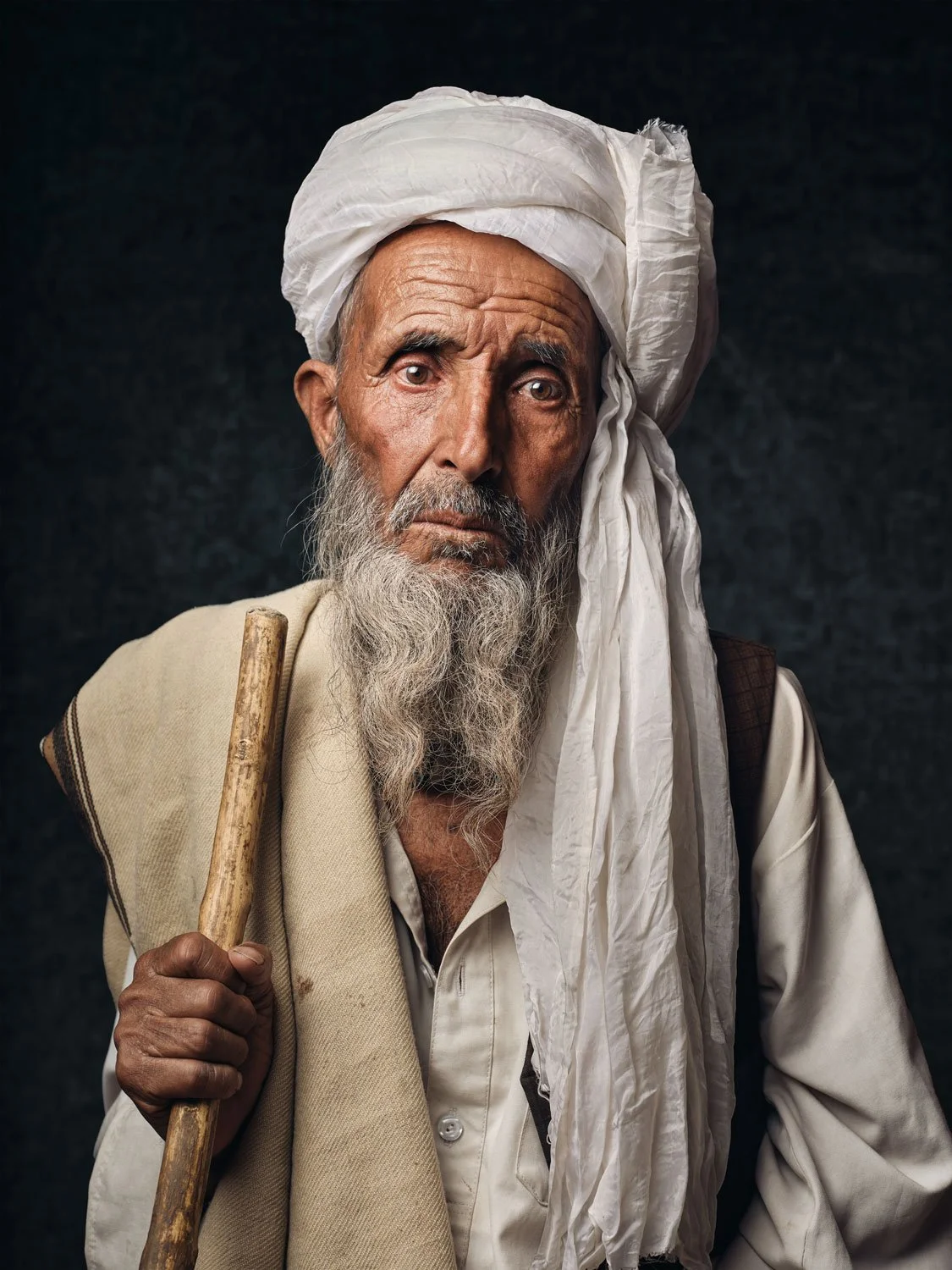
My work is almost entirely people-based. I rarely shoot pure landscapes. If there’s a landscape, there’s usually a person in it. I like being embedded with teams—firefighters, soldiers, civilians organizing relief—because that’s where the real stories are.
Kabul Animal Market
June 5th 2025
AFGHANISTAN
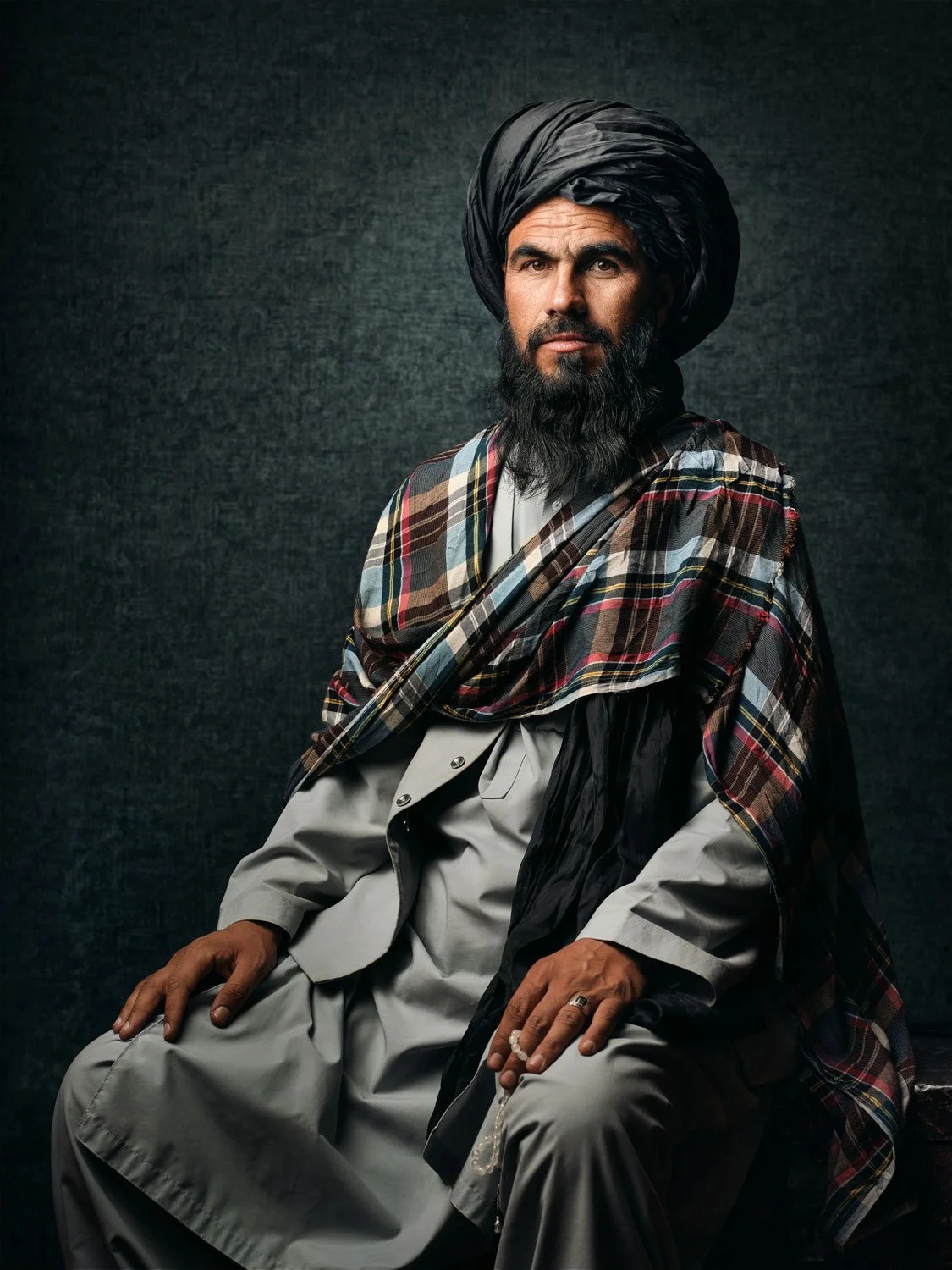
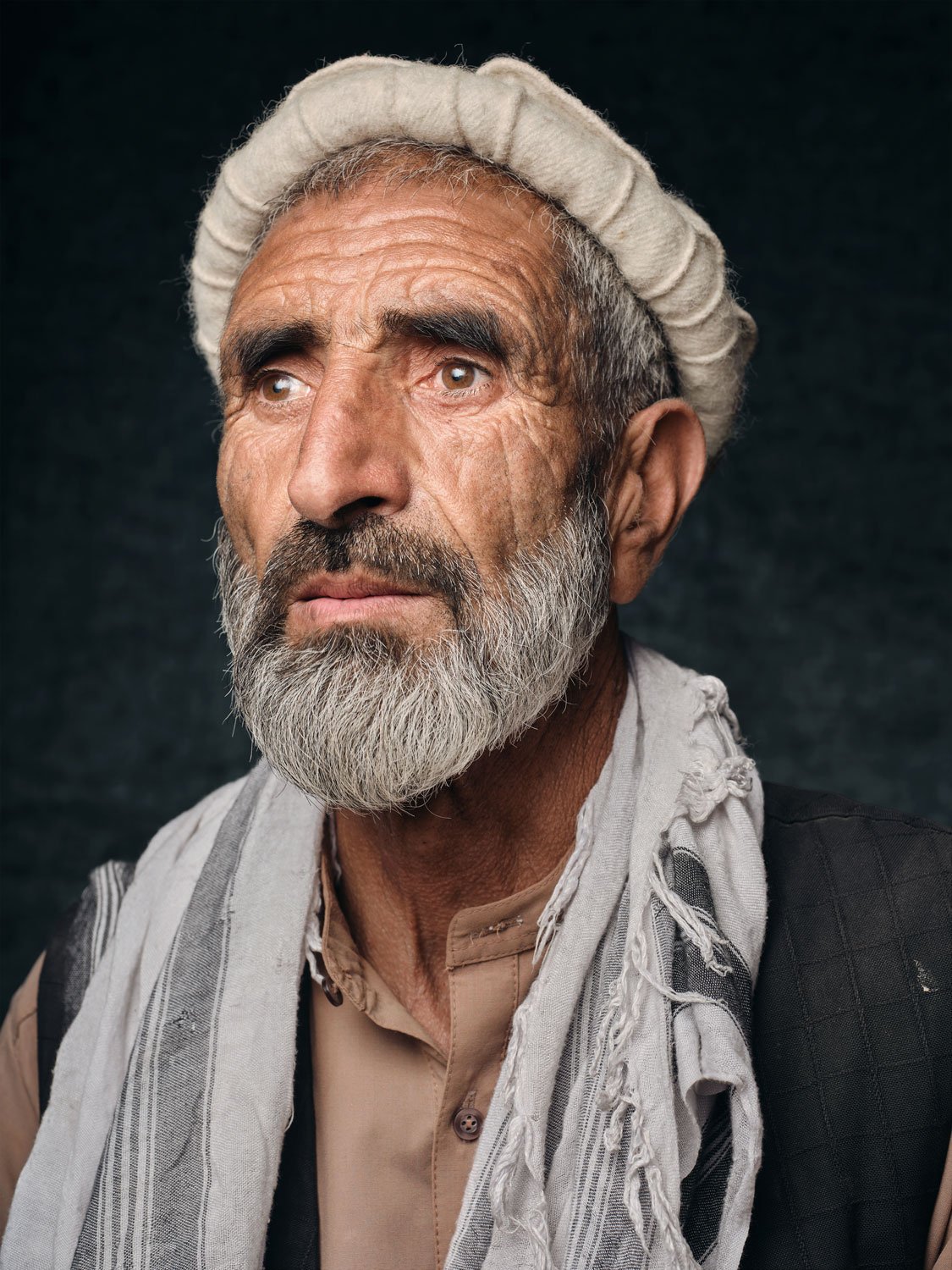
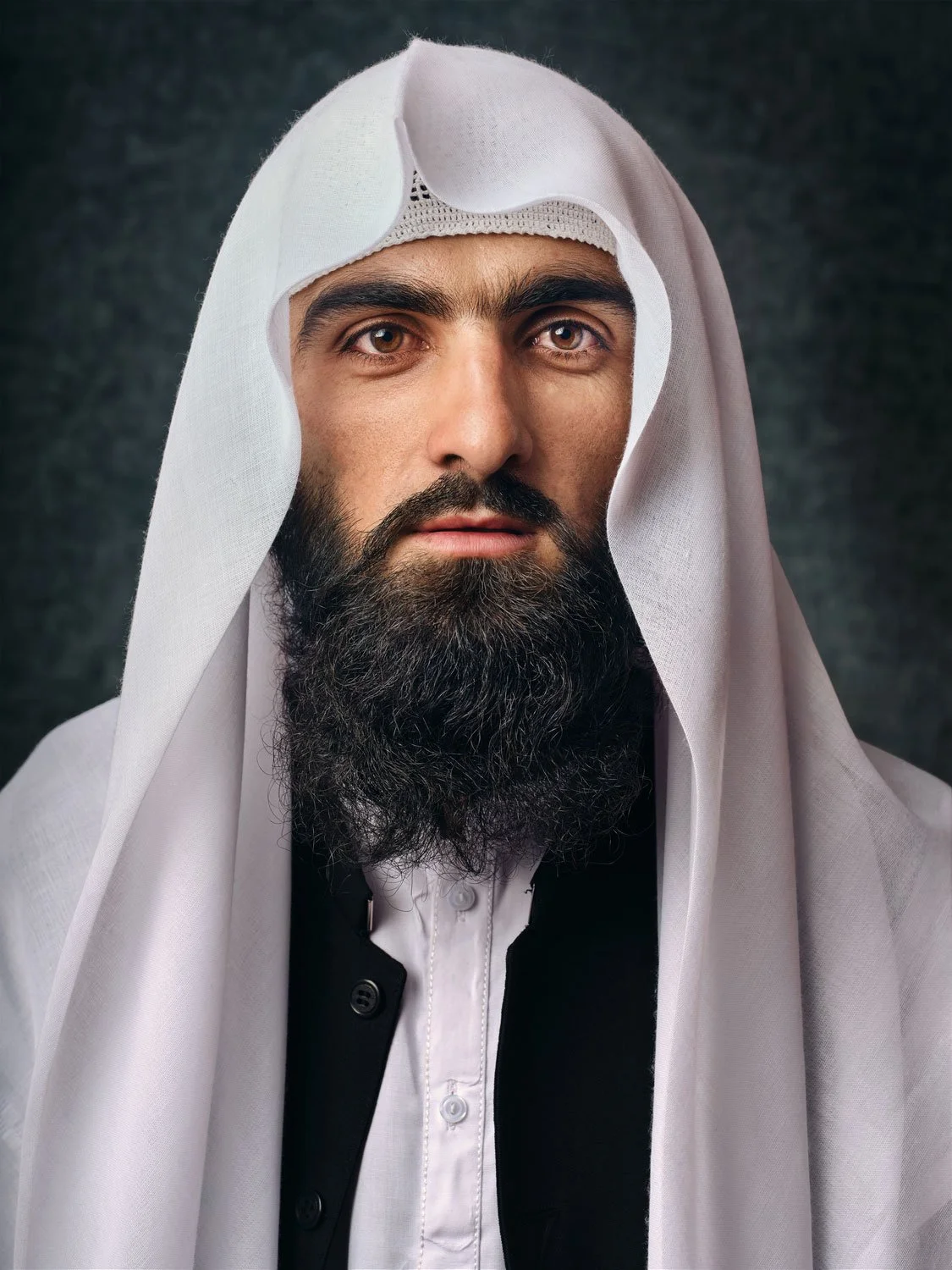
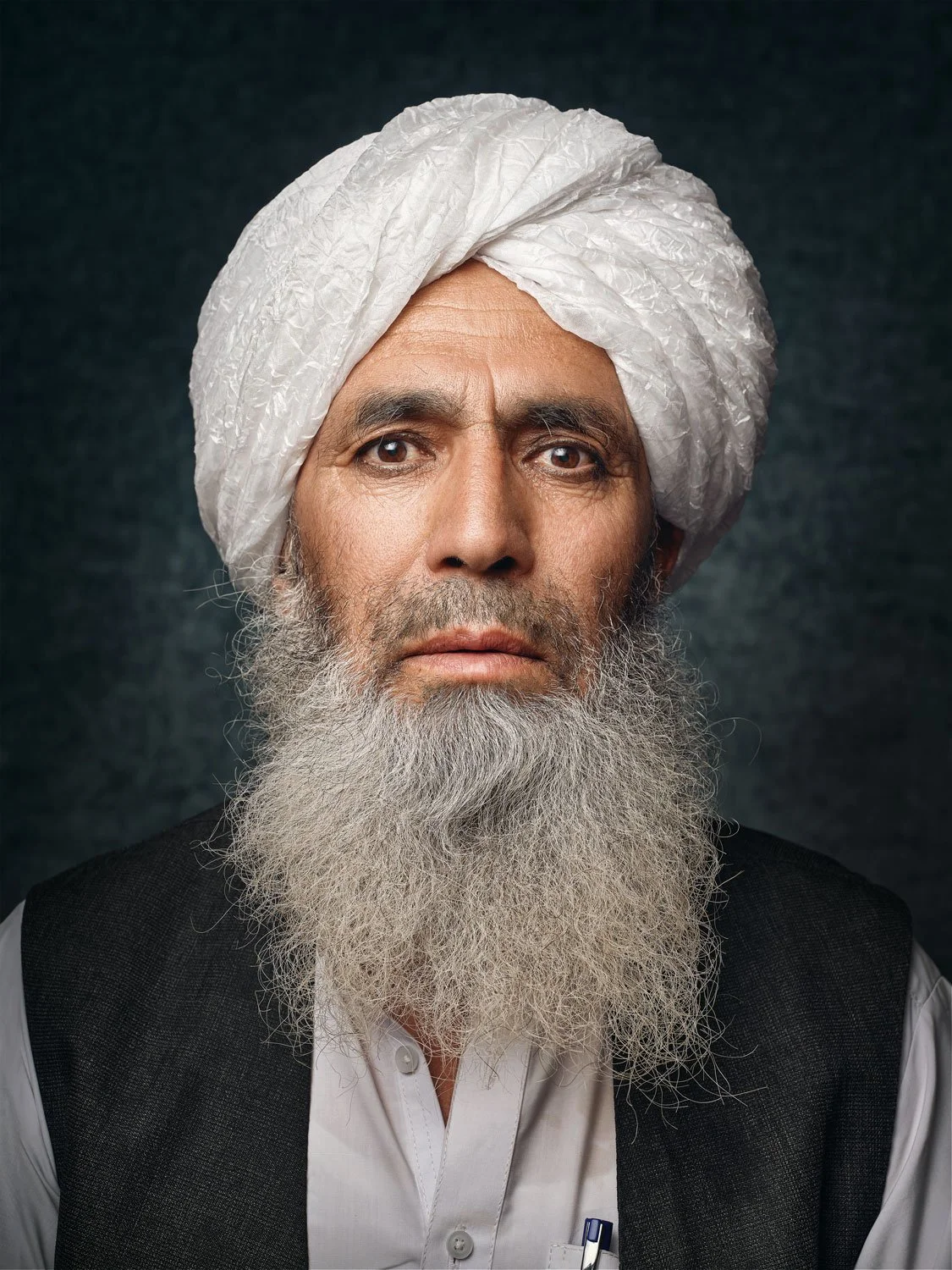
HM: Tell us about your Afghanistan project. You’ve been making studio portraits of members of the Taliban—that’s a very unusual subject.
SG: Yeah, it’s a strange project, and I’m still not entirely sure what to do with it. It’s not the kind of thing you expect to be a huge fine-art market hit—“Taliban Portraits,” you know?
My first trip to Afghanistan was a three-week road trip. I started in Kabul, then drove down through Ghazni, Kandahar, Helmand, Herat, flew back, and then went up into the mountains through Jalalabad. I was just traveling, seeing what was happening, meeting people.
At some point I took a single photograph of a Taliban fighter guarding a mosque. When I looked at it later, I thought, Oh, this is actually really strong. I should explore this more.
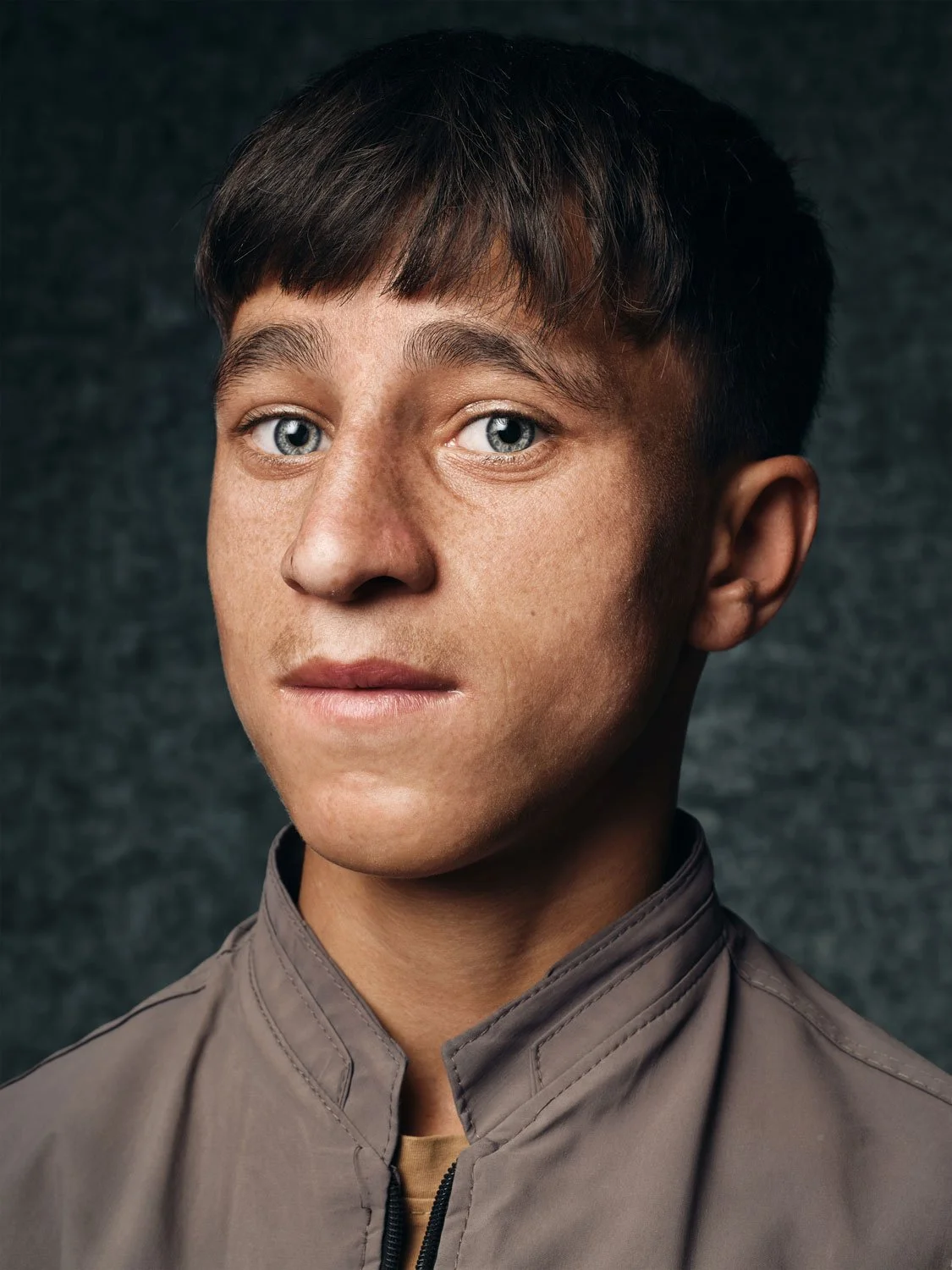
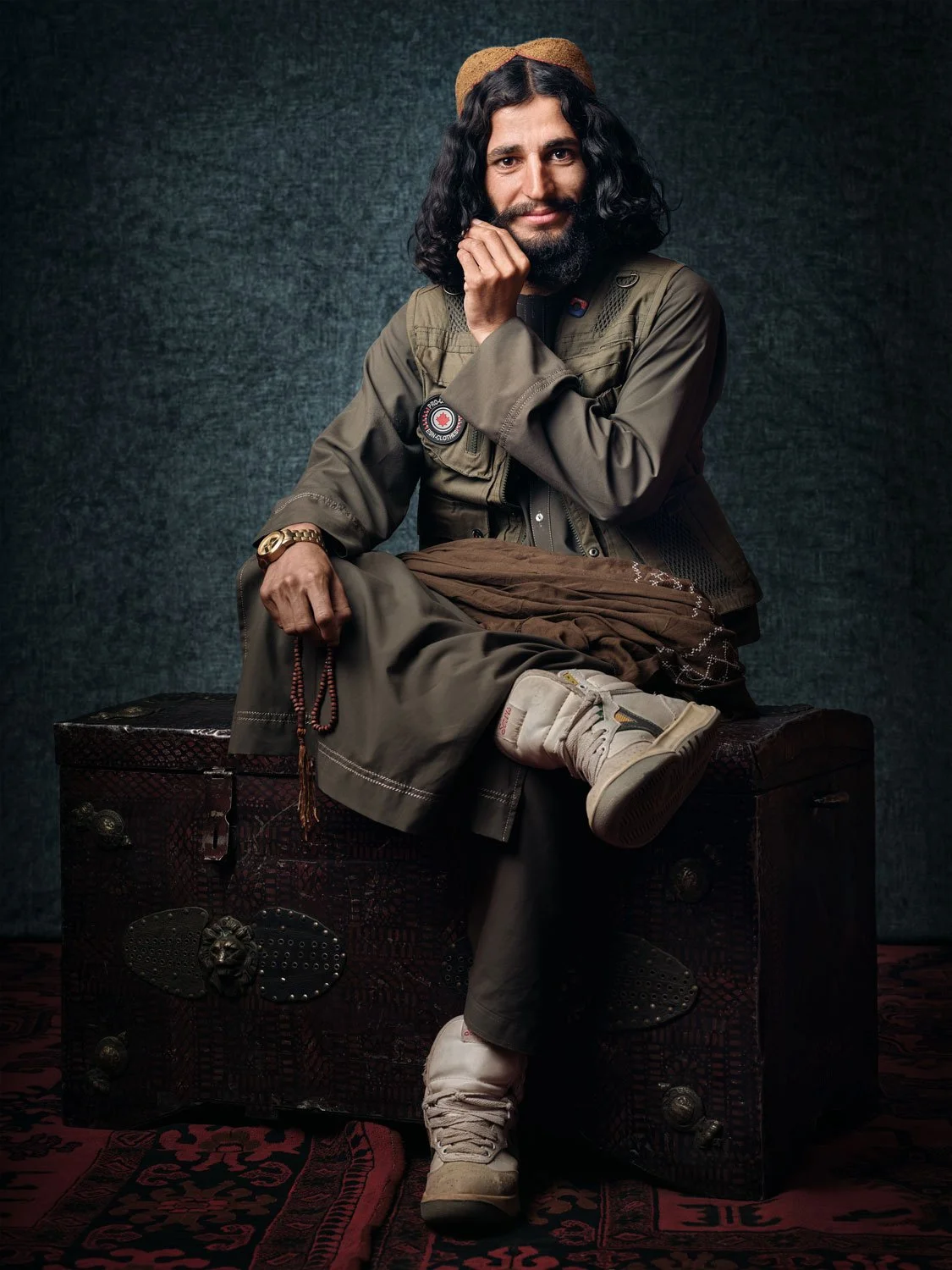
So I went back and developed it into a portrait series—fully lit studio portraits, with lights and a proper setup. That’s how the whole project emerged: not from a grand master plan, but from noticing that one image and thinking, There’s something here.
On my most recent month-long trip, I printed 600 portraits on site. I literally brought 600 sheets of paper with me and gave people their portraits as gifts. By the second-to-last day, I had run out.
Kabul Amusement Park
June 12th 2025
HM: You mentioned printing portraits for people. How did that system work in practice?
SG: It became a kind of currency of trust.
Anyone who sat for a portrait would get a print—almost always. I didn’t pay anyone to be photographed; the deal was: you give me your time and your face, I give you a proper studio portrait to keep.
I honestly thought it would be hard to convince people to sit for me, especially Taliban members. Some of the more senior figures refused or said they weren’t allowed to be photographed—I’m still not entirely sure how formal those rules are. But plenty of others agreed.
We shot in all kinds of places:
An amusement park
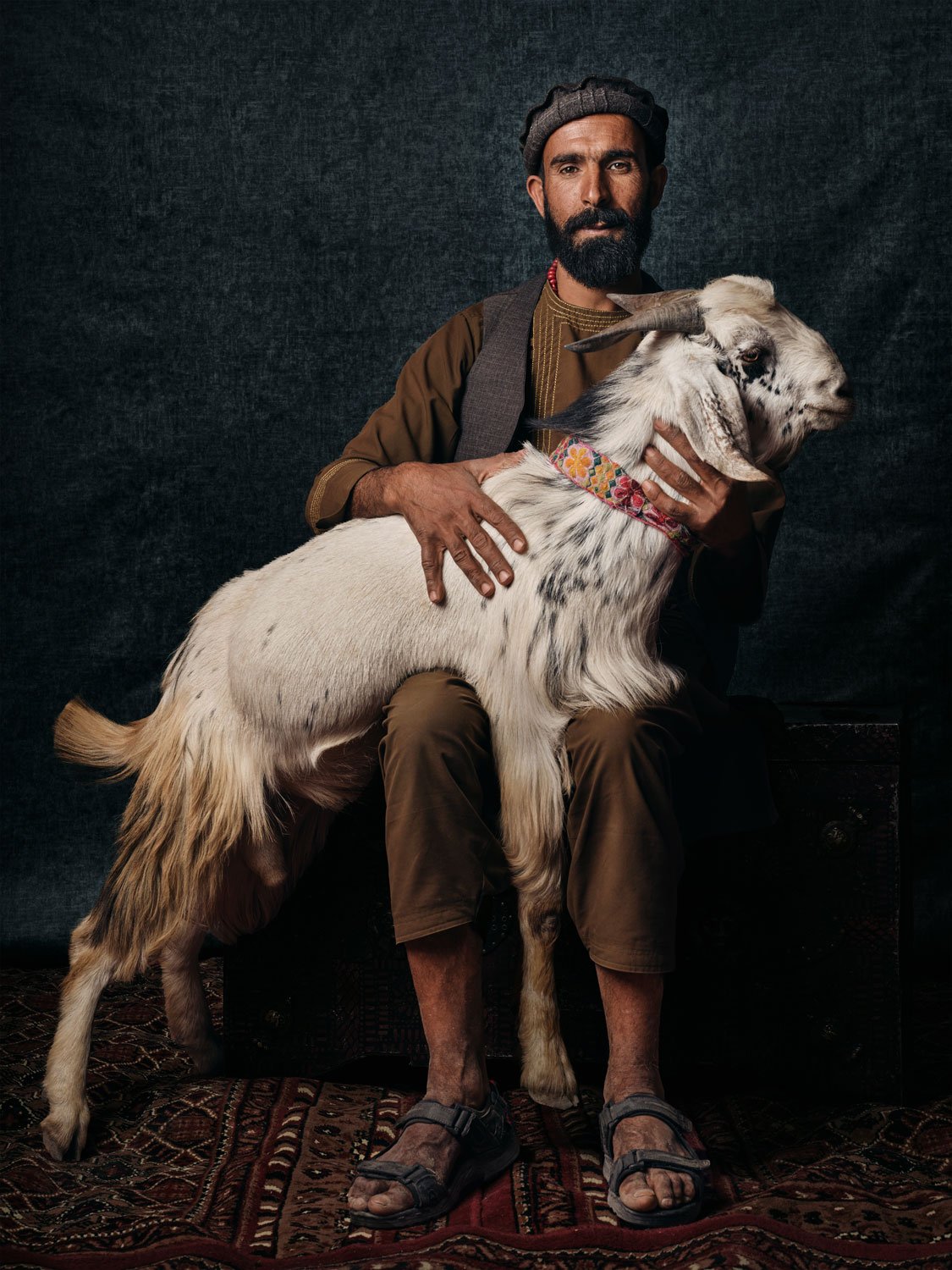
A livestock market where we literally rented a cow stall, set up lights and backdrop, and worked surrounded by sheep and goats
Street corners, courtyards, random corners of Kabul
Someone would agree to a portrait, disappear, and come back with 15 friends. Then we’d photograph all of them and print everyone’s picture. That’s how a lot of my favorite images happened—totally unplanned.
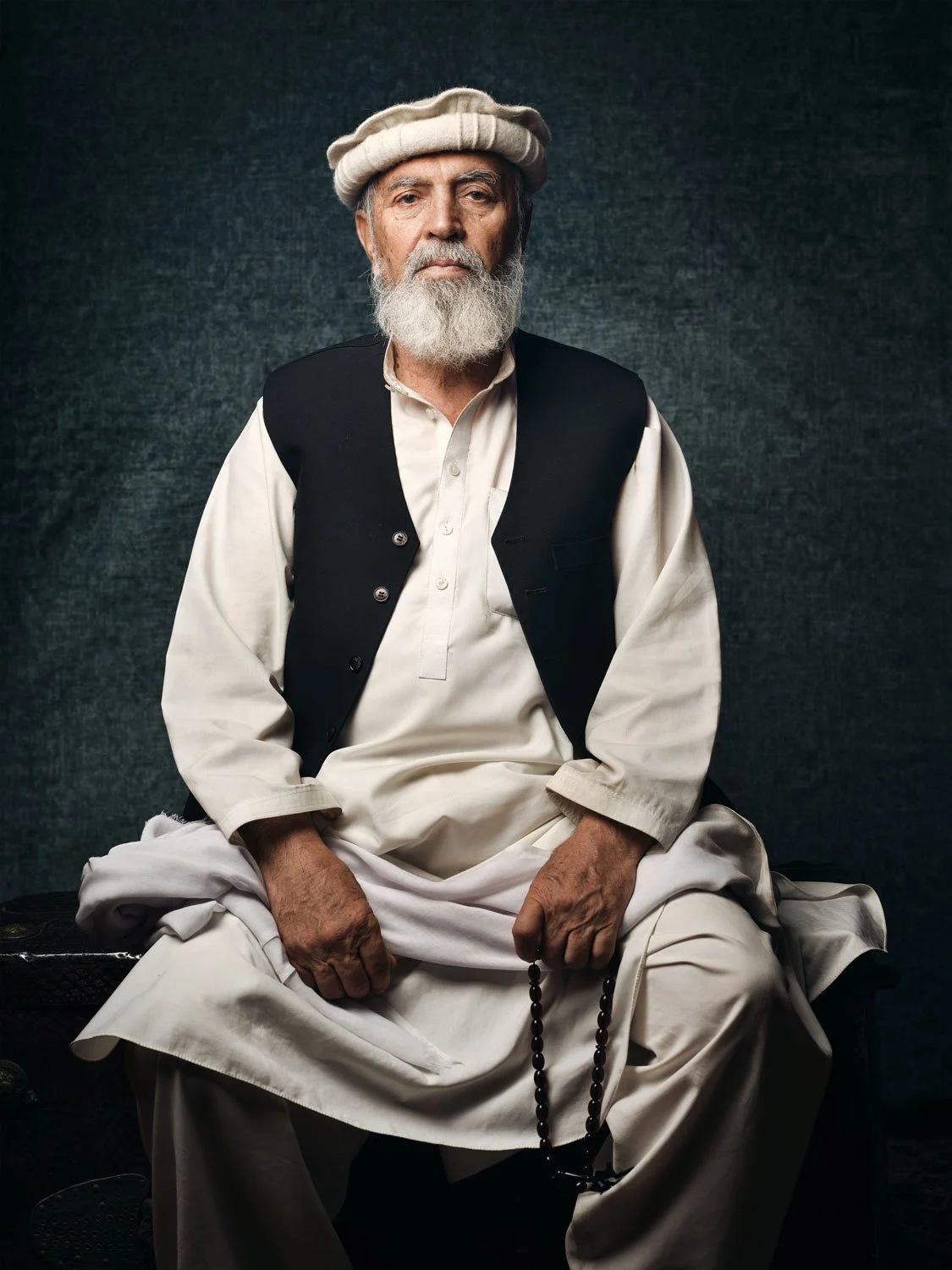
Kabul Animal Market
June 6th 2025
HM: How hard was it to get official permission for this kind of work?
SG: Extremely bureaucratic, but not hostile.
I had approval from the Ministry of Culture, but getting it was a saga. You go to one office and they tell you, “We support this, but we can’t sign it—go to that other office.” Then you go to the other office, wait in a new line, and they tell you something similar.
It’s a lot of being sent from one ministry to another until finally someone with enough authority signs the permit. My local team spent weeks, maybe months, before I even arrived just “socializing” the idea—explaining to various officials what we wanted to do, and convincing them it wasn’t some kind of espionage.
For many Taliban, photography itself is suspicious. During the war, photos were often used by Americans for targeting. So people didn’t have photos of their weddings, their families, nothing. There’s a deep, leftover distrust of cameras.
On top of that, there’s a religious angle. Some groups consider photography haram—forbidden. The religious police would sometimes show up while we were shooting. They’re easy to spot: long beards, white doctor-style lab coats (for reasons I still don’t understand), and an air of official disapproval.
They’d demand to see our permits and say, “This is haram, this is illegal, you can’t do this.” In at least one case, they blocked me from photographing inside a mosque. But in the end, whenever the paperwork was in order, it usually saved us. Still, it required a lot of calm negotiation and people skills to keep things from escalating.
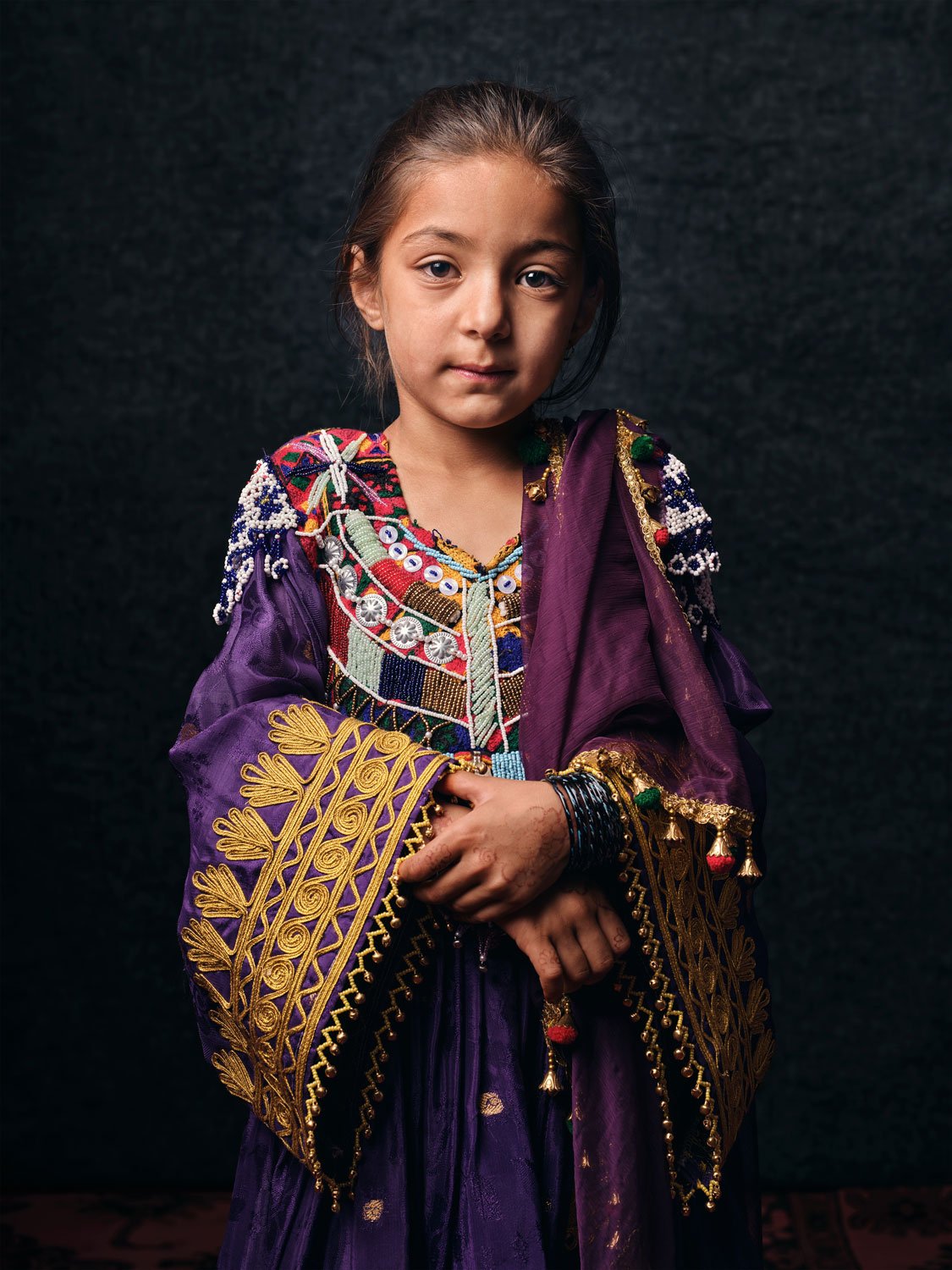
Kabul Amusement Park
June 13th 2025
HM: How would you describe Afghanistan today? What did you see on the ground?
SG: First, I want to be very clear: this is not an endorsement of any Taliban policies. But from my direct experience on the ground, the country is surprisingly safe—for some people.
If you’re not on their “list,” there aren’t random shootings in the street. Bombings are far less frequent than they used to be. It’s calmer than most people imagine.
Every time you enter a new region, you’re supposed to visit the local office of the Ministry of Culture or Tourism. You meet the official there, and he gives you this long lecture: “We have made the country so safe. It is so safe now.”
And I’m sitting there thinking, You’re also the ones who made it unsafe before, and then you stopped. But okay—factually, it is much safer now than during the peak of the war.
What surprised me is how functional it all is, for a third-world country. There are offices with bureaucrats who stamp your paperwork. They absolutely love stamps. About 60% of the population can’t read, so you’ll get to checkpoints where the guards demand documents, and you can tell they can’t actually read what’s in front of them.
It leads to these absurd interactions—“Where is the stamp?” they ask, and you’re like, “This kind of document doesn’t need a stamp.” And they’re like, “But we want a stamp.”
In terms of attitudes, people don’t seem as angry at Americans as you might expect. There’s this sense that war has always been there; it’s almost normalized. Interestingly enough, they appear to resent the Russians more. The Soviet war killed far more Afghans, and you still see dead Russian tanks littering the countryside—more old Russian equipment than American.
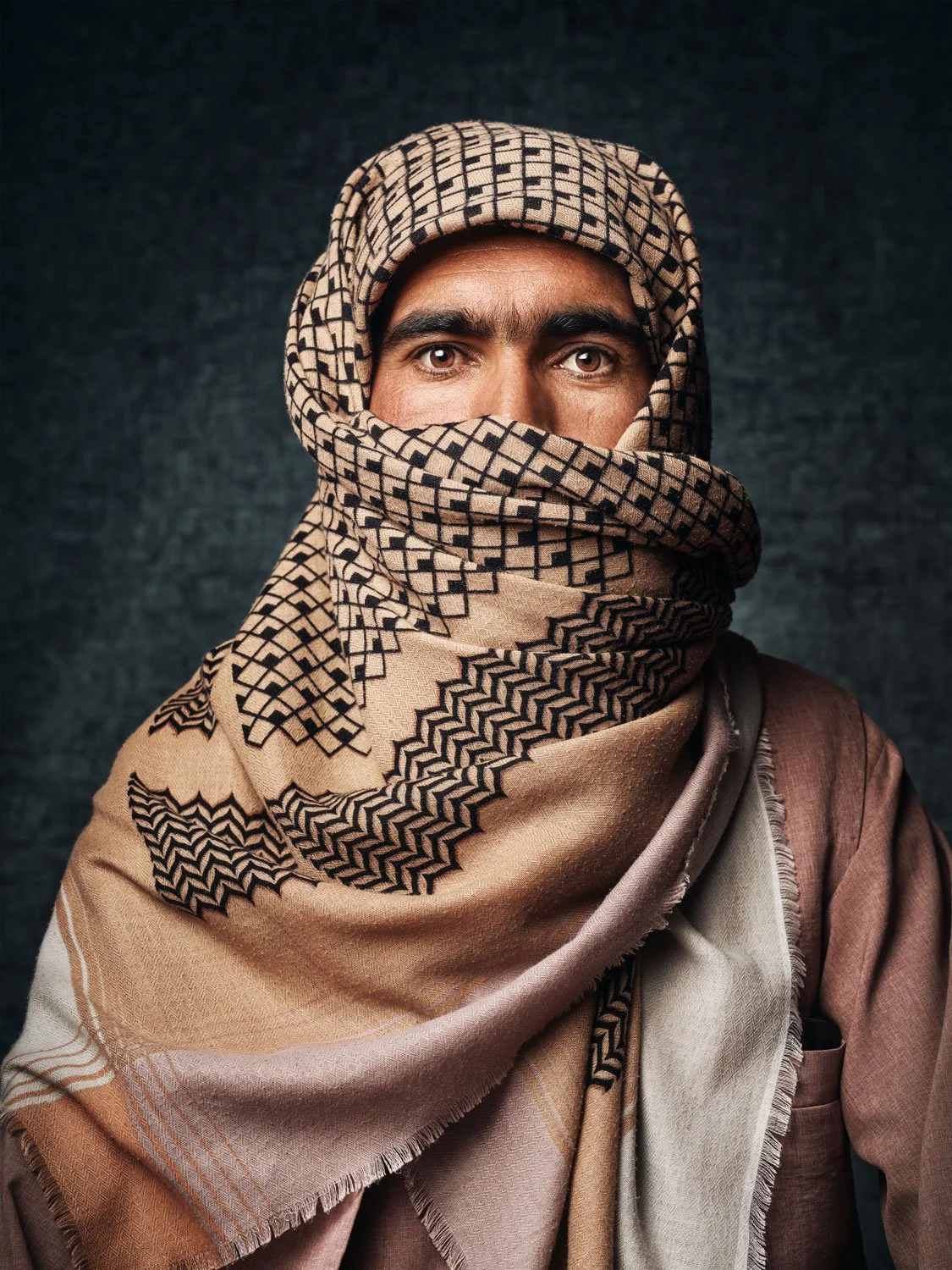
Kabul Animal Market
June 6th 2025
HM: You mentioned earlier that Afghanistan today feels very different from the image people have in their heads. Can you talk a bit more about guns and security there?
SG: Yeah, one of the biggest shifts is about guns.
During the coalition years, the Americans and their allies never went house to house to confiscate weapons. In Afghan culture, entering someone’s home uninvited is deeply offensive, so they avoided that. The result was: there were guns everywhere. Everyone had something at home, and a lot of people carried openly in the streets.
When the Taliban came back to power, they took a completely different approach. They did go house to house, all over the country. They searched people’s homes systematically. I’m sure there are still hidden weapons and secret caches, but you almost never see guns openly carried by civilians anymore.
Now the only people visibly armed are Taliban security forces. That’s a big visual and psychological change in everyday life.
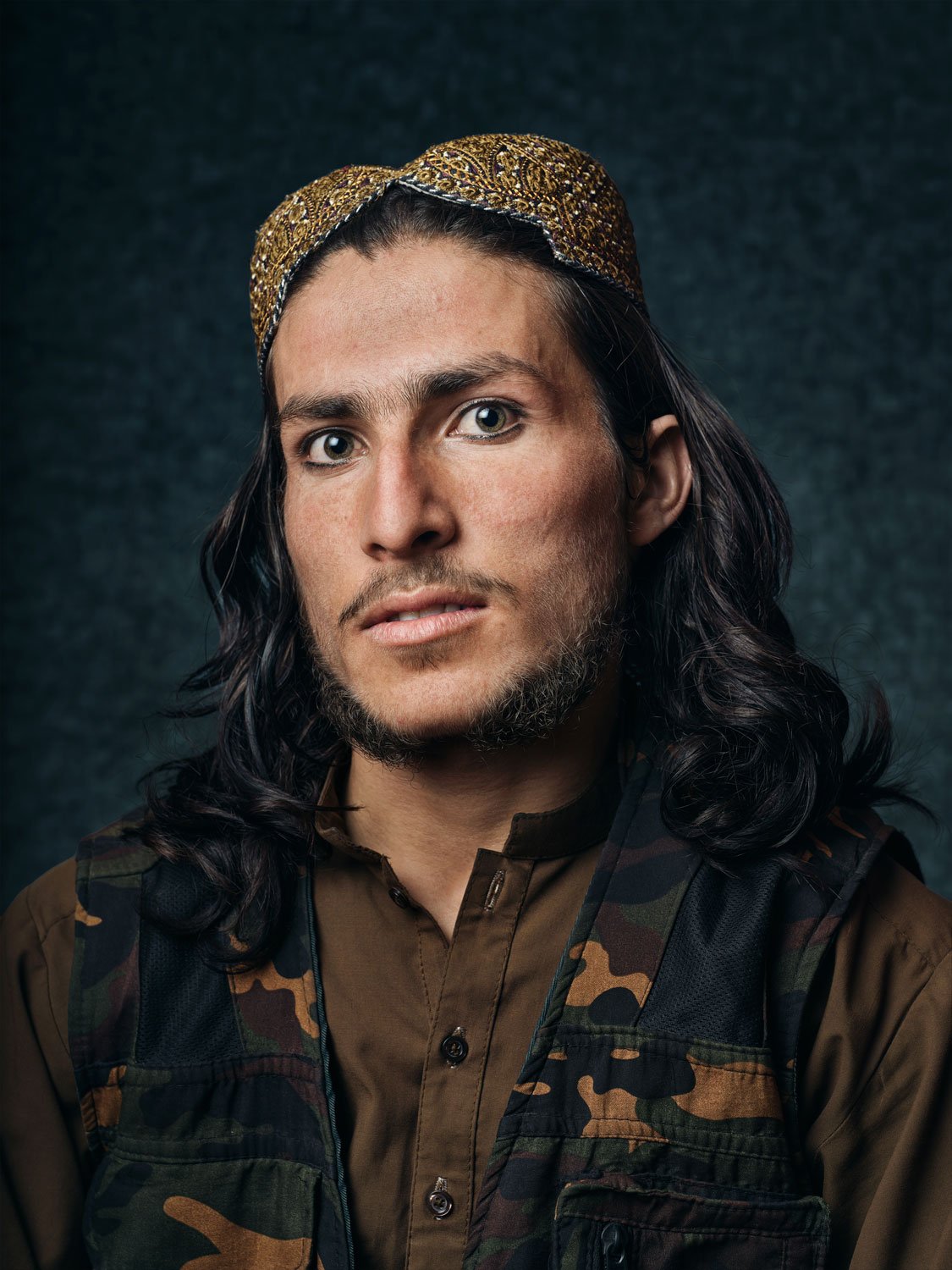
Kabul Amusement Park
June 12th 2025
HM: Have you ever found yourself in real danger there?
SG: Afghanistan is one of those places that’s safe… until it suddenly isn’t.
On my last trip I had one real issue. I took a photo of a guy sitting on a roof in a village. Almost immediately, around twenty men came running, convinced I had taken pictures of their women.
They demanded $10,000 to let me go, which I didn’t have—and even if I had, I wouldn’t have paid. They didn’t have guns, but there were about fifteen of them and three of us, so we were outnumbered.
They wouldn’t let us leave and kept saying the police were coming to arrest me. We were stuck for about six hours.
Then, by pure luck, a Taliban patrol drove by. We flagged them down. The Taliban officer started yelling at the men, asking what the problem was. He told them to show him the picture, saw that there were no women in it, and basically said, “Let him go.”
So in that moment, the Taliban were the ones who let me walk away. It’s a good example of how upside-down things can feel there.
Kabul Amusement Park
June 11th 2025
HM: In contrast, you’ve also talked a lot about Afghan hospitality. What was daily life like for you on the ground?
SG: The hospitality is incredible.
The food alone was one of my favorite parts of Afghanistan. It’s genuinely excellent—rich stews, fresh bread, rice dishes, endless tea. Everywhere you go, people invite you for tea.
And those invitations are real, not just polite gestures. You often want to say yes, because that’s where the most interesting encounters and stories come from. But it’s also a good way to accidentally get yourself into complicated situations, especially in rural or very conservative areas.
On my first trip, I accepted a lot of those invitations and wandered pretty freely. On my second trip, I was more focused on the portrait project, so I kept my head down and worked.
Kabul Day 1 James’s Office
June 3rd 2025
HM: Who are some of the most memorable people you met while working on this project?
SG: We met an incredible cross-section of Afghanistan.
On the Taliban side, we photographed everyone from very junior fighters to the man who runs the whole Kabul area. But beyond that, we met:
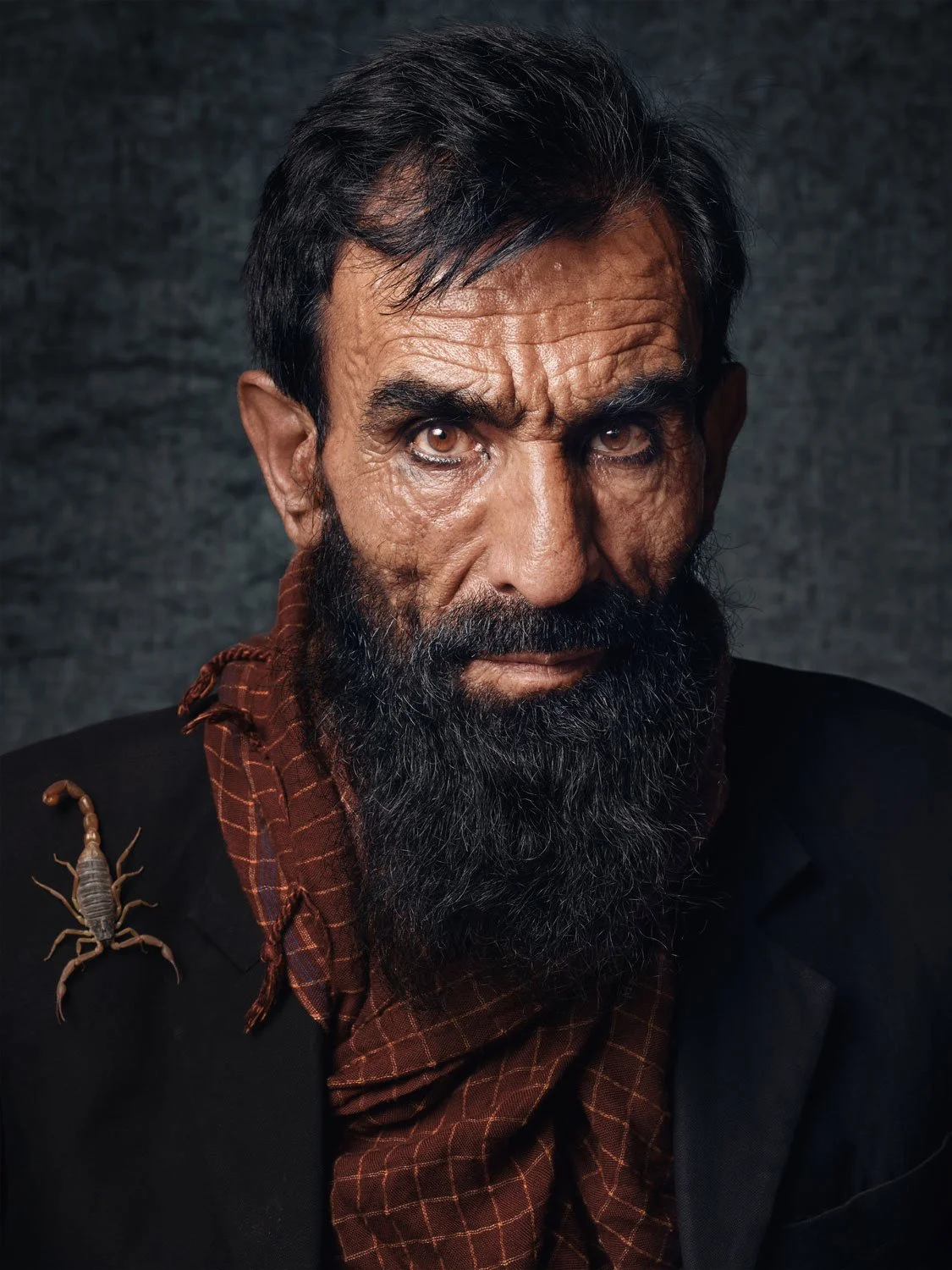
A witch doctor who uses snake venom and other poisons to “cure” cancer. He looked exactly how you’d imagine a witch doctor: dramatic eye makeup (kohl, which many men wear daily), intense stare, and at one point he was calmly holding a scorpion. Nothing about it was staged—that’s just how he shows up in the world.
A former suicide bomber who became my security guard for four days. He’d been trained as a suicide bomber, but the war ended before he got his mission. So he suddenly had this massive identity crisis: what now? He ended up as a mid-level government employee, and for those days he was assigned to us as protection. He was about 23, quiet, polite, a nice kid in the everyday sense. That contrast—someone trained to kill himself and others, now guiding us around his village—is surreal. Of course I photographed him.
Those encounters are part of what makes the work so strange and compelling. You constantly meet people who don’t fit neatly into any box.
Snake Charmer
June 16th 2025
HM: What about women? Were you able to photograph or talk to any women while you were there?
SG: No. And that’s a huge limitation of the work.
I had no permission to photograph women or girls. The only exception was small children photographed with their parents, which was sometimes allowed.
Even if I had been officially allowed, trying to photograph women in most places would have created enormous cultural and social friction. Nobody is going to let a foreign man photograph their sister, wife, or daughter. Maybe a woman in her 70s or 80s, yes—but younger women, no.
On the streets of Kabul, I’d say you see roughly 85% men, 15% women. It’s overwhelmingly male in public spaces. I didn’t speak to a single woman during my time there. So I can’t pretend to tell their side of the story—that’s a blind spot I’m very aware of.
What was interesting, though, is that almost everyone I spoke to—male Afghans of all ages—said they were in favor of women going back to school. There’s a lot of awareness that you can’t have female doctors, for example, if girls never get an education.
But the baseline is rough: around 60% of the population is illiterate. You’re working from a very low starting point, and in that context, they’re saying, “We’ll educate the boys first.” So even where the intention is there, the reality is extremely complicated.
Kabul Animal Market
June 6th 2025
HM: You’ve talked about wanting to document “who stayed” in Afghanistan after the takeover. Why is that important to you?
SG: Because so many people with options left.
When the Taliban took over, a huge number of Afghans with money, education, or specialized skills—doctors, engineers, professionals—left the country. That created enormous gaps in critical areas like healthcare and infrastructure.
What interested me was: who’s still here? What does life look like for the people who stayed, either by choice or because they had no choice?
The country absolutely has massive problems. But things didn’t just freeze in time. The shops still open, the streets are still busy, kids still play, people still fall in love, argue, complain, dream. I wanted to photograph the faces of that reality.
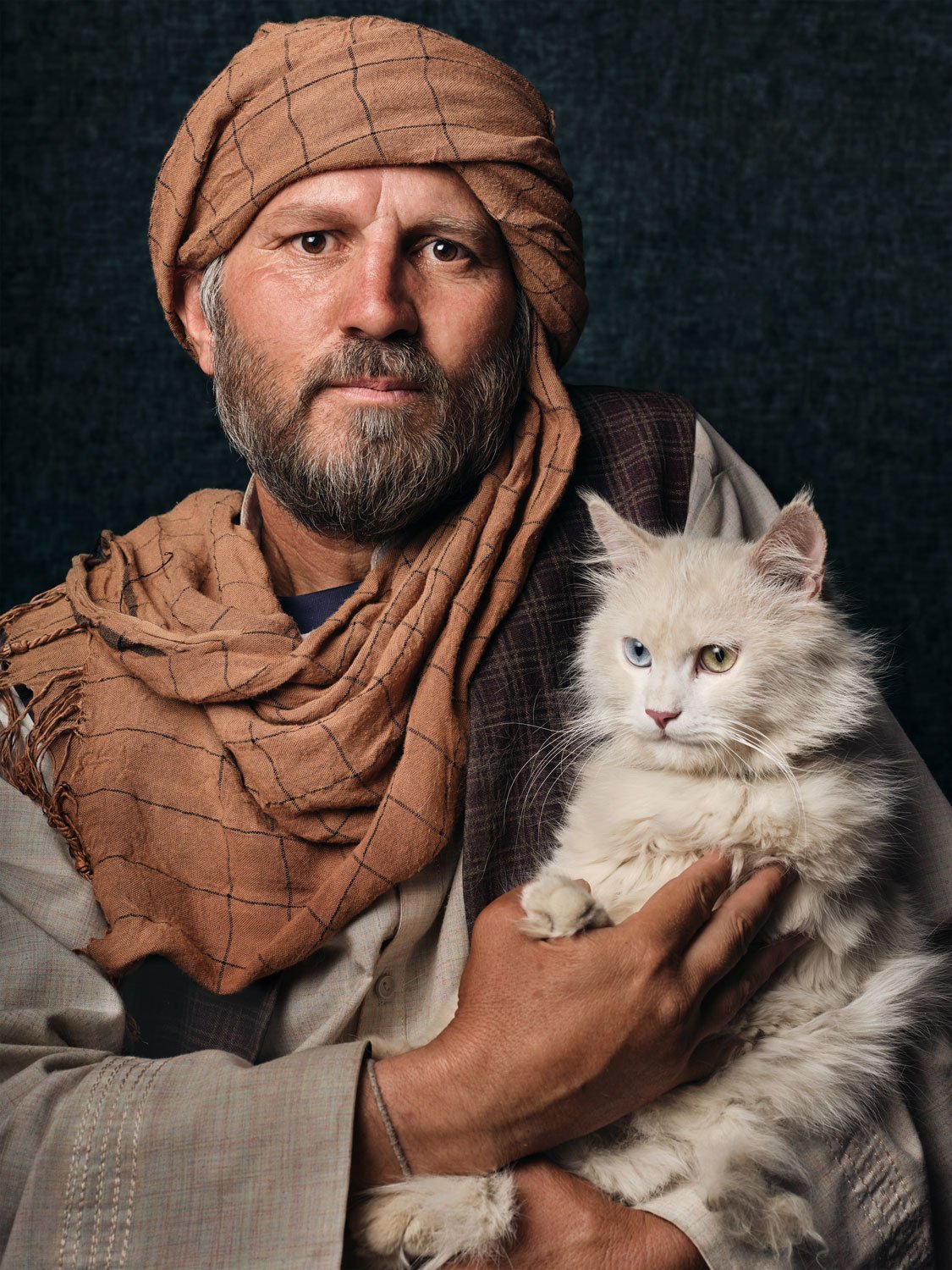
Bird Market
June 19th 2025
HM: When you’re working in places like Ukraine or Afghanistan, do you usually have fixers or translators with you? And more broadly, how do you physically get around in these environments?
SG: It really depends on the country.
In Ukraine, most of the time I was by myself. There are some very good fixers there, and they helped me a lot when needed, but in many cases I just embedded directly. For example, I lived with a team of firefighters for about a month.
They didn’t speak English, and I don’t speak Ukrainian or Russian, so we survived on Google Translate. I showed up, was polite, helpful, and they basically said, “You can stay.” Every day we’d go out in the fire truck, pick up water, deliver it, repeat.
In Afghanistan, it’s totally different. I don’t speak any of the local languages, and it’s a very tribal country with many different languages and dialects. So I had different fixers in different regions because my main guys didn’t always speak the local language.
There’s also a cost factor. In Afghanistan it’s relatively affordable to work with a larger team, so during most shooting days I had five or six guys with me. Because it’s a studio setup—lights, stands, backgrounds—there’s a lot of gear to haul and assemble, so the crew isn’t just for translation; they’re essential to the whole operation.
In terms of moving around: in Afghanistan, on my first trip we drove almost the entire route. It really felt like a classic road trip, just in a place most people associate only with war. On my more recent trip, I was mostly based in Kabul for a month and did shorter excursions from there.
In Ukraine, I actually have my own car, which gives me a lot of flexibility. I can move as situations change, follow different units, or get to towns that don’t see many outsiders.
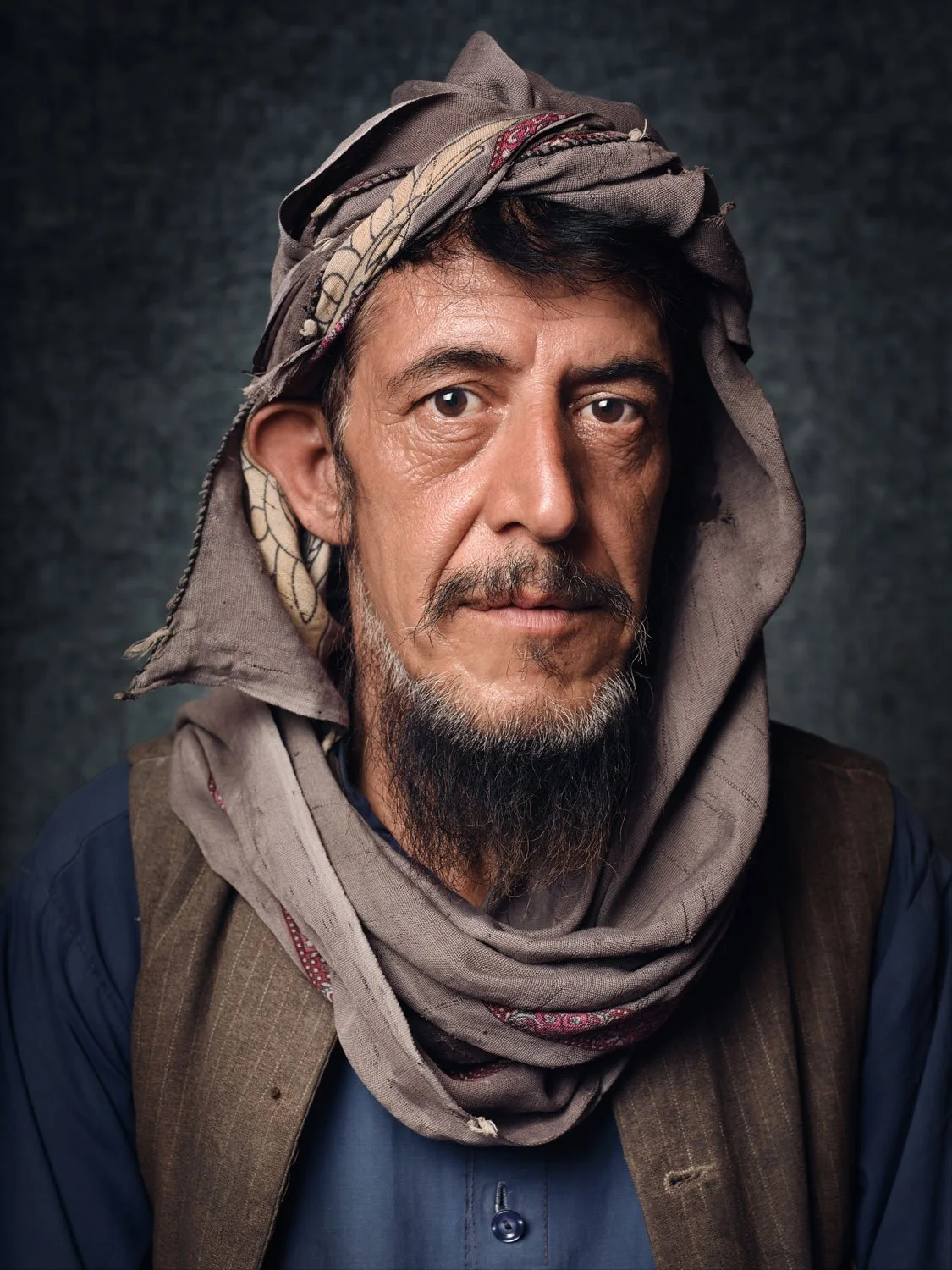
Market by Bus Terminal
June 17th 2025
UKRAINE
HM: Let’s switch to Ukraine. How did you end up there, and what did you do on your first trips?
SG: I arrived right after the Russians retreated from Kyiv.
When the full-scale invasion started, I was traveling mostly for fun. I called a friend and said, “Look, if I’m going to travel, I’d rather it be useful travel.” They told me they desperately needed drivers to move humanitarian aid.
So I bought a Sprinter van and spent around three months driving across Ukraine. I’d go to Poland, load the van with aid—medicines, tourniquets, basic supplies—and then drive it wherever they said it was needed.
At the same time, I was taking pictures. Eventually, some journalists realized I knew the terrain pretty well and asked me to work with them—“Show us around, and while you’re there, take photos for us.” That’s how I slid more into the news side of photography.
Over time, I spent more than a year in Ukraine, on and off. I was in or near most of the major battles:
Around Bakhmut for weeks
In Kherson the day after it was liberated
In Kharkiv during the liberation
In various parts of the Donbas (not the city of Donetsk itself, but the region around it)
A lot of my time was spent embedded with firefighters, especially in Bakhmut. In December I lived with them in their station. It was brutally cold—minus 10, minus 15 degrees Celsius—and there was no gas and no heating. We had a bit of electricity for lights and a Starlink for internet, and we slept in the basement.
Interestingly, even in heavily shelled cities, there isn’t as much firefighting as you might imagine. Shelling destroys things, but they don’t always catch fire. So the firefighters were doing a lot of other tasks—delivering food and water to police stations, hospitals, and civilians.
HM: Can you describe a moment at the front that really stuck with you?
SG: One day in Bakhmut stands out.
I was embedded with a sniper team from a Ukrainian battalion. A friend of mine runs an ad agency in Ukraine, and they were building a website for this battalion to help with recruitment. They needed photos of the unit, and someone had to be crazy enough to go there and shoot them for free. That ended up being me.
We were on patrol in an area that was surrounded on three sides. There was snow everywhere and only serious four-wheel-drive vehicles could get in or out; the road was semi-cut off. Supplies were barely getting through.
At one point I was walking along a wall when a Russian sniper fired at us. The bullet passed between my head and the wall—I heard it buzz right past my ear. Then several more shots came in as we ran for cover. Miraculously, nobody was hit. That could have gone very differently.
That same night we had a shift in a building known locally as the “Alley of Roses.” The Russian positions were maybe 150 meters away. The guys told us, “Stay away from the windows between seven and eight. They always shell this building then.”
Sure enough, around that time they started firing large rockets at the area. Artillery is terrifying—you hear the whistle a few seconds before impact. But these big rockets give you like ten seconds of this high-pitched screaming sound coming straight toward you.
For about an hour, every few minutes another rocket landed in a neighboring building. Windows were already blown out, it was minus 15 outside, and we were freezing, listening to these impacts and the glass and concrete shattering around us.
One of the soldiers just fell asleep at the start and basically slept through the whole bombardment. I guess that’s what experience looks like. I didn’t sleep at all.
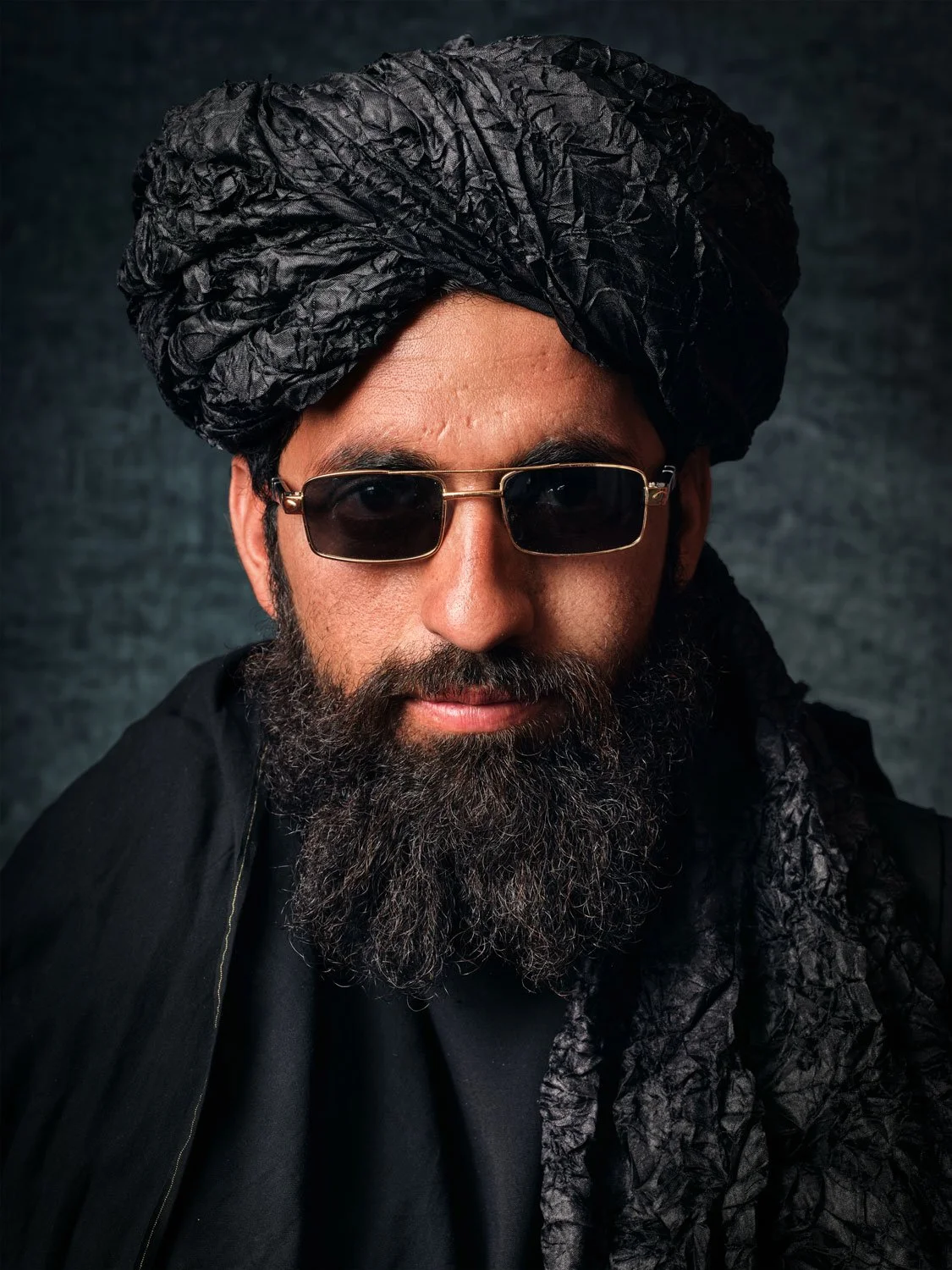
Kabul Amusement Park
June 11th 2025
HM: How did you eventually get out of that area?
SG: Pure luck and a random burger.
Originally, the plan was for me to stay with the unit for two weeks and then “find a ride out.” I’ve been in these situations before and I know how that usually goes: nobody’s schedule lines up with yours, and suddenly you’re stuck.
On the fourth day, a Polish volunteer medic team was rotating out. I had met them weeks earlier in another town while eating a burger. One of them walked past me in the basement of the building in Bakhmut, did a double take, and said, “Wait, I know you. What are you doing here?”
I told him I was trying to get out, and they offered me a seat in their car. It was a soft-skin civilian vehicle, no armor, and the road we were using was under Russian fire control.
Their “strategy” was:
Drive very fast
Play music very loud so if something bad happened, you wouldn’t hear it coming
That was basically it. At one point we slid in the mud and bumped into the car in front of us. It was minor, but it added to the general sense of “this is the most stressful Uber ride of my life.”
We made it out, but looking back with today’s drone situation, that kind of improvisation would be suicidal.
HM: You’ve mentioned drones a lot. How have they changed things in Ukraine?
SG: Completely.
Roughly speaking, about 80% of casualties now come from drones—on both sides. Everything else—artillery, small arms, tanks—makes up the remaining 20%. It varies by sector, but that’s the general direction.
When I started working there, FPV (first-person-view) drones were dangerous but limited. They were controlled by radio, and they had range and signal issues. If you were behind buildings or further back, you had some safety.
Now they’re using fiber-optic drones. The drone trails a 40-kilometer spool of fiber-optic cable behind it. That means perfect video quality and no radio signal to jam. They can hit targets 20–30 kilometers behind the front lines with incredible precision—even down into trenches and bunkers.
Defenses are very limited. You can try to shoot them down with shotguns or physically cut the cable if you’re insane enough to try that as it’s coming at you. Jammers don’t work on a fiber connection.
Vehicle movement has become extremely dangerous. A single car on a road used to be a relatively low-value target—it was hard to hit with artillery and often not worth the effort. Now one car can be instantly prioritized by a drone operator. That’s one reason why places like Pokrovsk are struggling so much. Logistics in and out become almost impossible.
Journalists are particularly vulnerable. The Russians absolutely target press vehicles. I stopped working with teams that drove heavily marked, armored SUVs with giant “PRESS” signs on them. Every time I went out with one of those, it seemed like we’d start getting shelled within minutes.
These days, with the drone threat, front-line access for photographers is far more restricted and far more lethal than it was in the first year of the war.
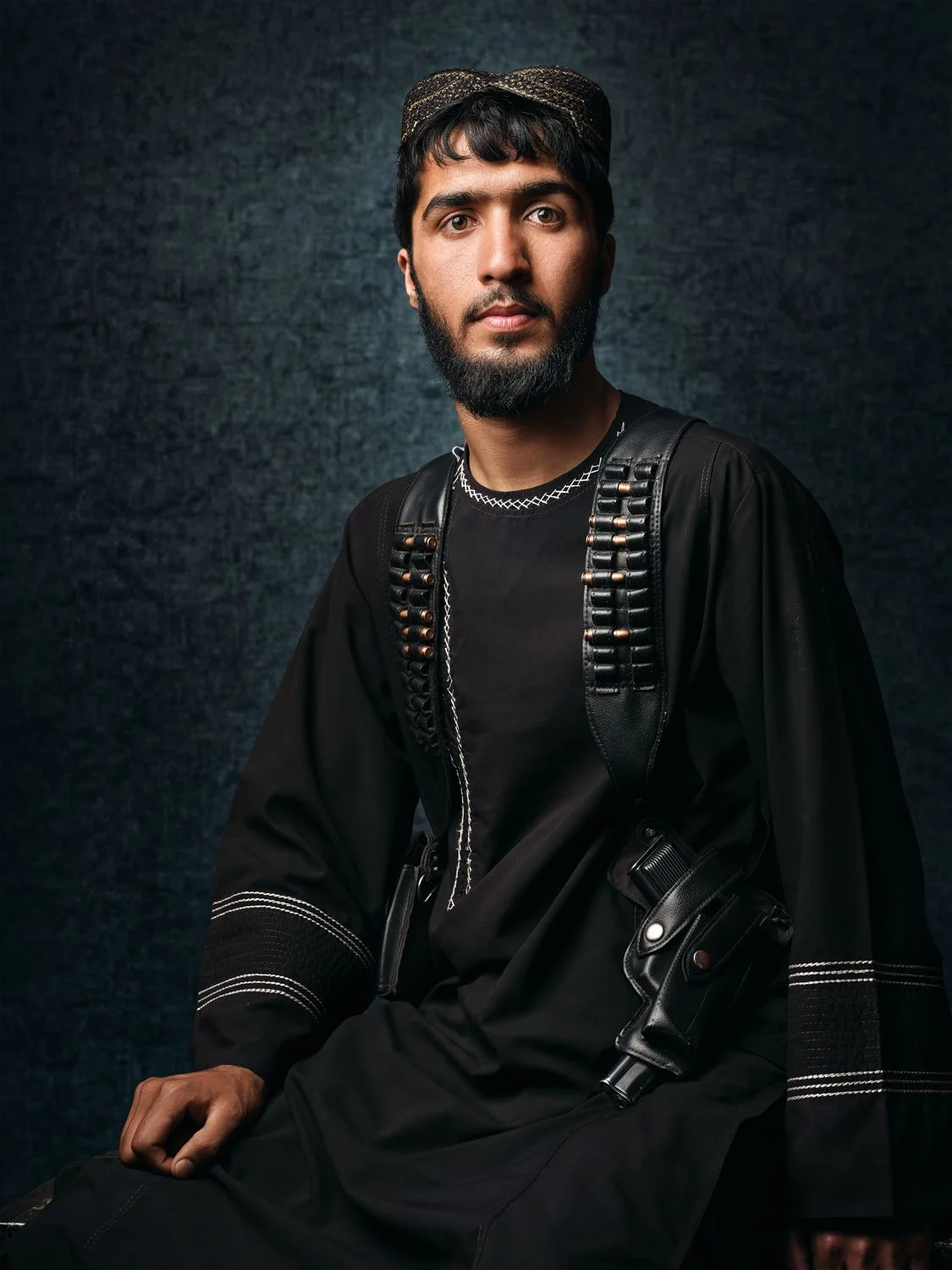
Kabul Animal Market
June 4th 2025
HM: Most of your work has been at or near the front. What about the cultural damage—the churches, the historic buildings?
SG: There’s a huge amount of destruction. Burned-out churches, smashed cultural sites, shattered apartment blocks—you see it everywhere.
But visually, there’s a strange problem: after a while, a lot of bombed-out buildings start to look the same in photographs. They’re devastating in reality, but it’s hard to convey that in a fresh way without repeating images people have already seen a hundred times.
There are photographers who are very good at documenting cultural heritage, architecture, and the slow violence of destruction. That’s not my biggest strength or interest. I’m more drawn to people: firefighters, soldiers, civilians, volunteers.
I always thought the pictures from the Kyiv metro—when thousands of people were sleeping in the stations during the air raids—were incredibly powerful. But to get those images, you need to be there for hours, days, weeks. And there was always so much else happening elsewhere that I ended up focusing more on the frontline communities.
GEORGIA AND HEAVY METAL POISONING
HM: You also spent time in Georgia during the protests there. What happened?
SG: Georgia was a completely different kind of conflict, but with similar underlying themes.
I went to Tbilisi during the big protests before the elections and stayed for close to a month. Then I got seriously sick. Tests later showed heavy metals—mercury and arsenic—in my system. I never figured out exactly how I got exposed, but I was ill most of the time and eventually left to get treatment.
After treatment, I went back for the elections. When I arrived at the airport, a young border guard—maybe 23 or 24—scanned my passport and made this little “uh-oh” noise you never want to hear from someone in that position.
They told me to “wait here,” which turned into two hours at the border, and then informed me that I was being arrested and deported. I spent about 16 hours in airport detention overnight. They were polite about it, but they clearly didn’t want me back in the country.
Given that I’d also somehow ended up with heavy metal poisoning during my previous stay, it’s hard not to be suspicious about the timing, but I don’t have proof. I just know I needed months of chelation treatment afterwards.
Despite all that, I love Georgia. The food is fantastic, the people are warm, Tbilisi is a beautiful city, and the protest movement there is incredibly persistent—hundreds of days of demonstrations. In many ways it’s the same story as Ukraine: resisting Russian influence, but in a more asymmetrical, political way rather than full-scale war.
Kabul Animal Market
June 6th 2025
ACCESS, PROPAGANDA, AND MODERN WAR
HM: How do governments and armed groups manage journalists today? What does access look like?
SG: There’s a constant tug-of-war between access and control.
In places like Russia, many atrocities are actually self-documented and posted on Telegram or similar channels. But that doesn’t translate into actual access for foreign journalists—the people committing the crimes don’t want outsiders documenting them independently.
In Gaza, a lot of my colleagues went early on and spent days or weeks just… waiting. There was almost no access; they were physically close but couldn’t do much.
Ukraine was interesting. In the first year of the invasion, access was relatively loose. There weren’t enough press officers, and the front-line soldiers loved having photographers around. They’d take you anywhere.
Then, in the second year, Ukraine tightened everything. Press officers, permits, strict rules—suddenly almost nothing was allowed near the front. The unintended result was that journalists just snuck in, which wasn’t great for safety or PR. Over time they’ve had to keep adjusting, trying to find the right balance between operational security and the need for global attention and support.
So modern war is not just about guns and drones; it’s also about information. Who gets to show what, and to whom.
MEDIA VS REALITY
HM: After everything you’ve seen, how accurate does international media coverage feel to you?
SG: For Ukraine, surprisingly accurate.
From what I’ve seen on the ground, Western coverage of Ukraine has generally matched reality pretty well. Of course there are gaps—there’s always more happening than can be shown—but I’ve rarely seen coverage where I thought, “This is totally wrong.”
Afghanistan is almost the opposite.
There’s almost no independent journalism there now. The vacuum gets filled with conspiracy theories, propaganda, and rumors. Even when you’re physically in the country, it’s incredibly hard to get a clear picture of what’s really going on at the political level.
I was there as a photographer, and even just getting that approved was complicated. They didn’t know what to do with me: I wasn’t media in the traditional sense, because I wasn’t covering specific events; but I wasn’t a tourist either. Eventually we just got me classified as a tourist because the “media” category required an organization, a defined story, and a clear editorial purpose—none of which fit a strange, long-term portrait project of Taliban fighters.
So in Afghanistan, even being on the ground, you’re still partly in the dark. You can tell it’s not going great, but the details are very hard to pin down.
All images © Stephan Goss