
In Conversation with Daniel Tchetchik
Daniel Tchetchik is an artist, a staff photographer and the chief editor of the photography blog at Haaretz Newspaper. He divides his time between artistic projects and documentary assignments; often, each approach inspires the other.
He has exhibited in leading museums and galleries in Israel and on international platforms in NYC, Kassel, San Francisco, Sweden, Berlin, Hamburg, Bulgaria, and India. His works are part of the collections of the Tel Aviv Museum, the Ramat Gan Museum, The Peter Blum Gallery, Hotel Montefiore, The Umm El Fahem Gallery, the Museum for Sepulkralkultur, The Marc Rich Foundation, The French Institute, as well as several private collections. His editorial work has been published on prominent platforms such as The Financial Times, The Süddeutsche Zeitung, The New Yorker, Frankfurter Allgemeine, Haaretz Newspaper and more.
Daniel’s work resists easy categorization. Situated somewhere between landscape, psychological inquiry, and poetic abstraction, his images challenge the descriptive function of photography and instead search for something less visible than something felt. In this conversation, we discuss process, perception, and the tension between control and intuition in image-making.
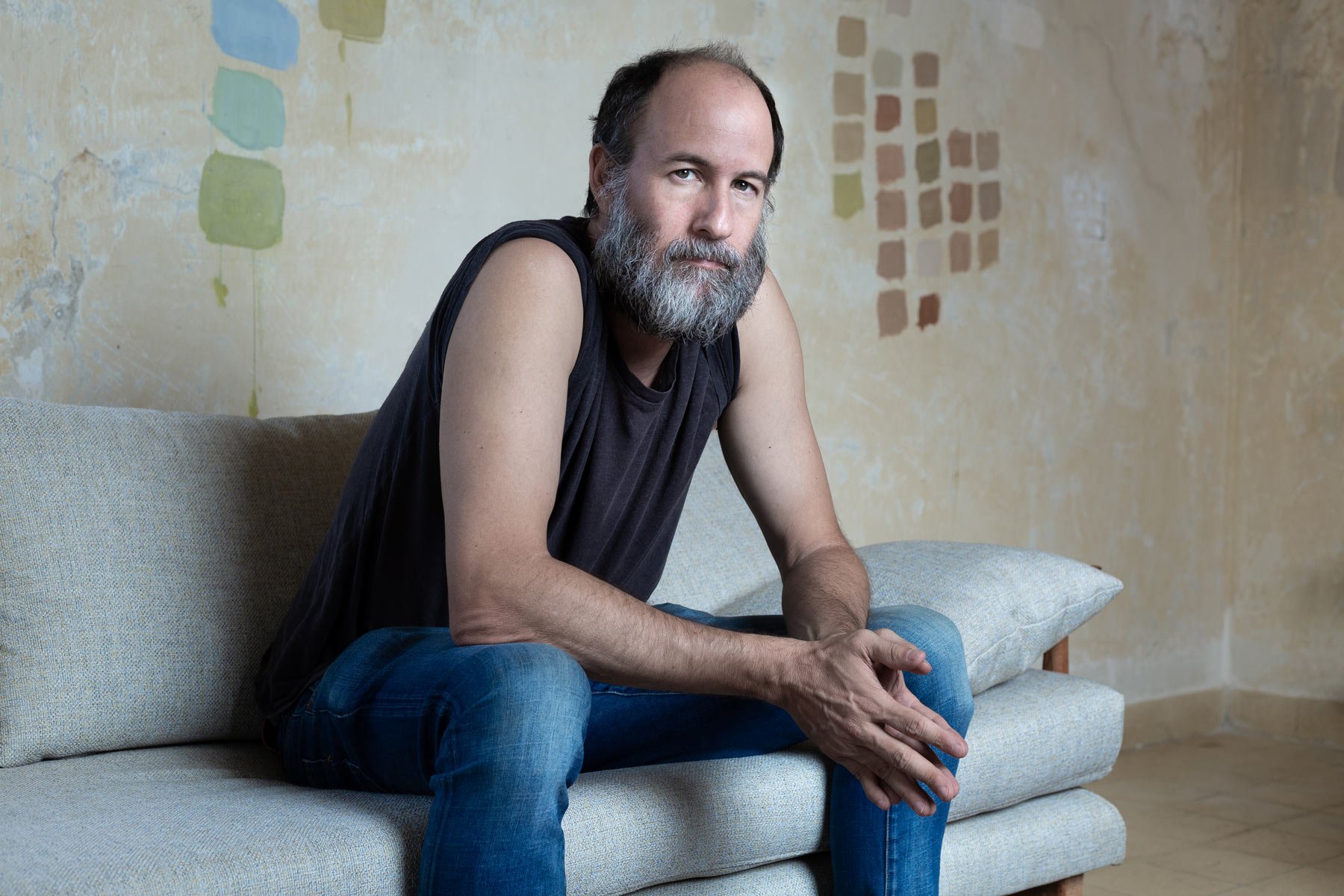
© Yael Schmidt
ON PRACTICE AND DIRECTION
HM: Daniel, let’s start broadly. Can you describe your practice today where you see yourself as a photographer?
DT: I’ve been working within a newspaper environment for many years, but never as a traditional photojournalist. I found a kind of parallel space working within culture, art, and portraiture while developing my own artistic language alongside it.
From early on, I knew I didn’t want to remain purely within that system. My main focus has always been my artistic work using the natural world as a way to reflect deeper ideas about life, time, and the emotional climate we live in.
If I had to summarize it simply: I use reality as material, but not as subject.
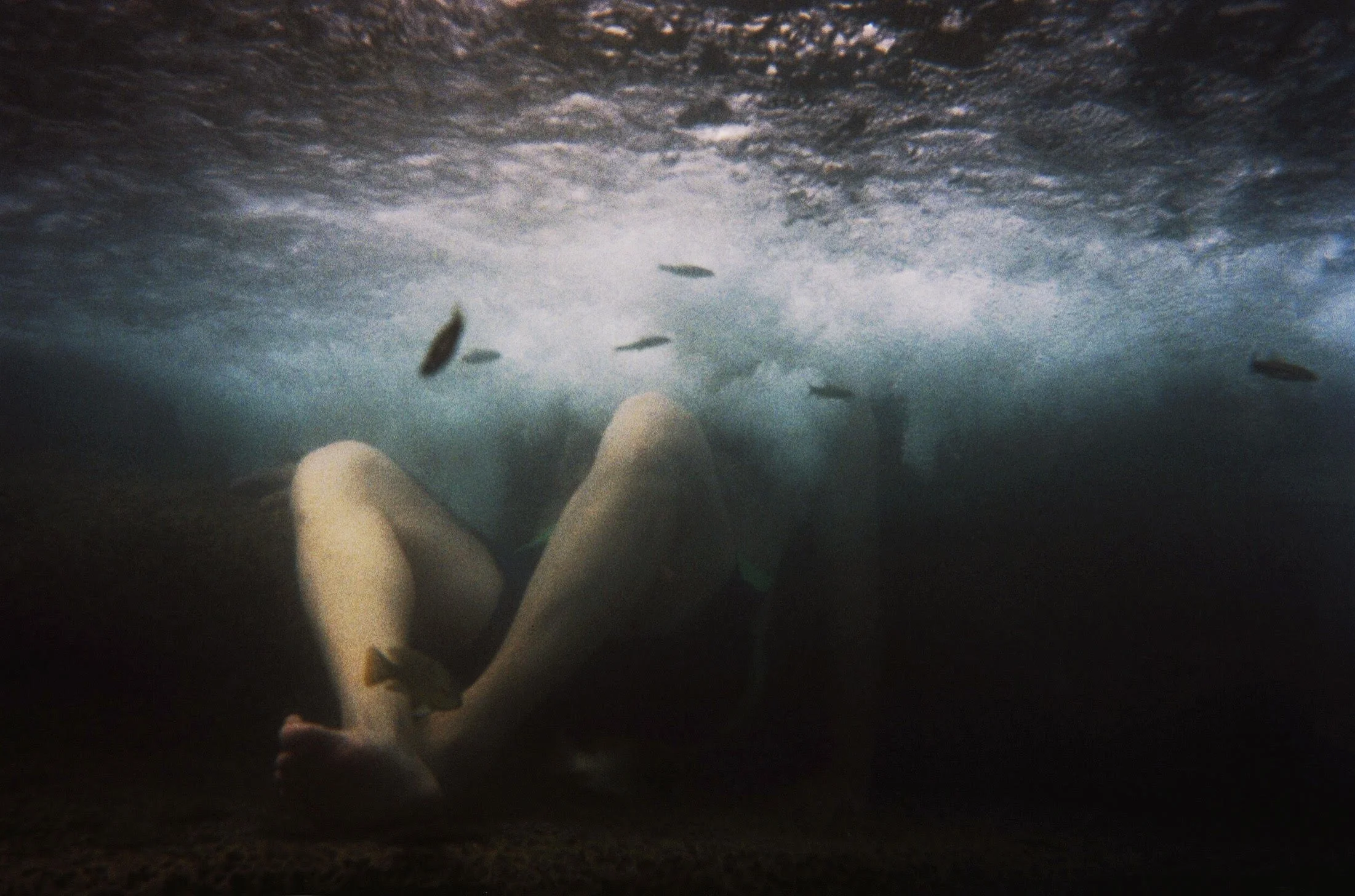
Finding Air #3, 2017
ON KEY PROJECTS AND EVOLUTION
HM: Your work seems to evolve through projects. Can you talk about some of the important turning points?
DT: There were a few. One was a project in the United States where I developed something called The Divided Moment photographing the same scene simultaneously from different perspectives. It was a way of challenging the idea that there’s a single decisive moment. That there isn’t just one truth, one image, one way of seeing.
Another major project came from working around the refugee crisis but instead of photographing people, I focused only on the sea. Because the sea carried the psychological weight of the experience, the fear, the trauma, the memory. Refugees described it as both a place of reflection and a place of terror. That duality interested me more than documenting events directly.
Later, a series called Days Before Darkness became a kind of umbrella for much of my work exploring moments before transition, before collapse, before change. That’s where I feel most drawn: just before something shifts.
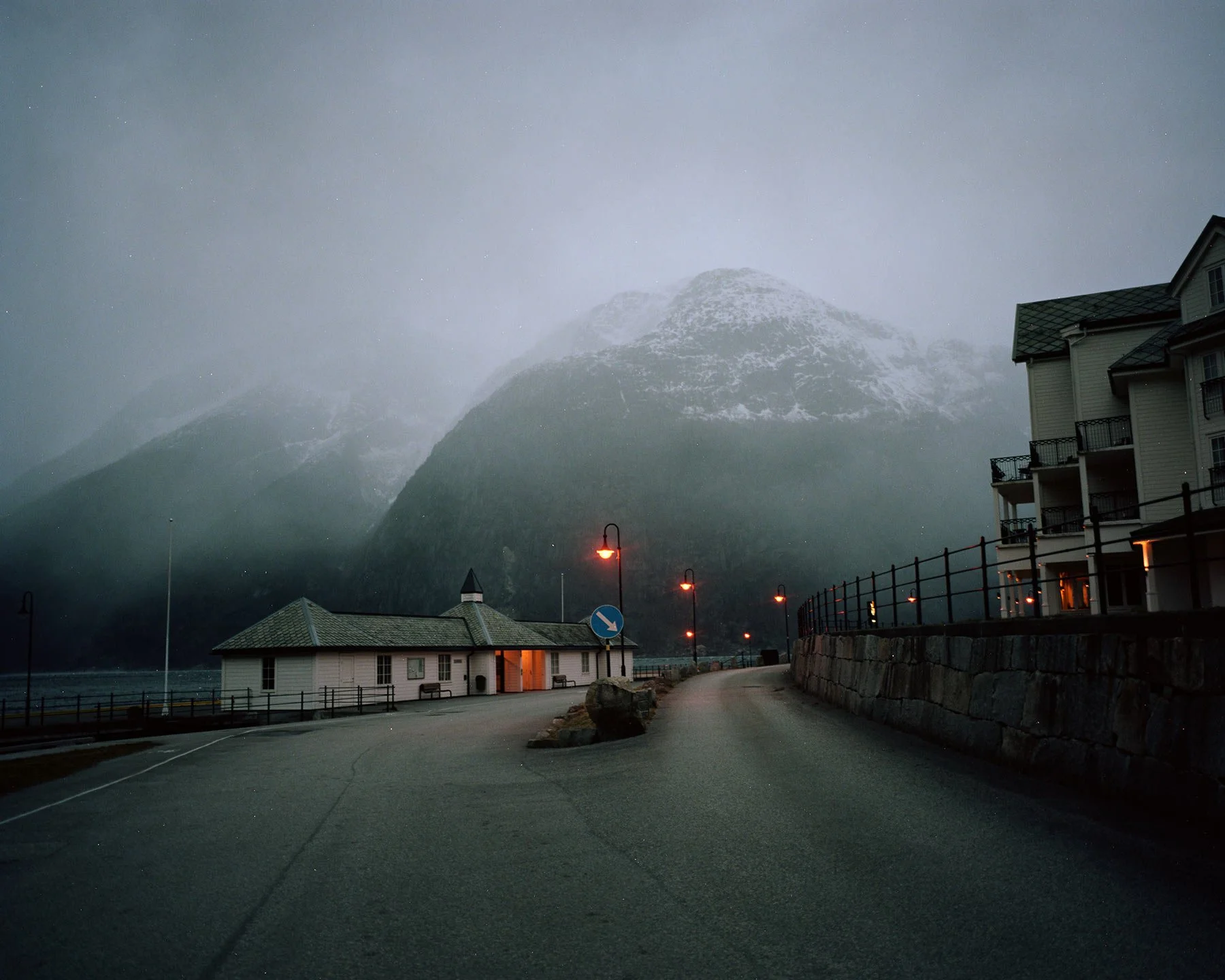
Days before Darkness #21, 2019
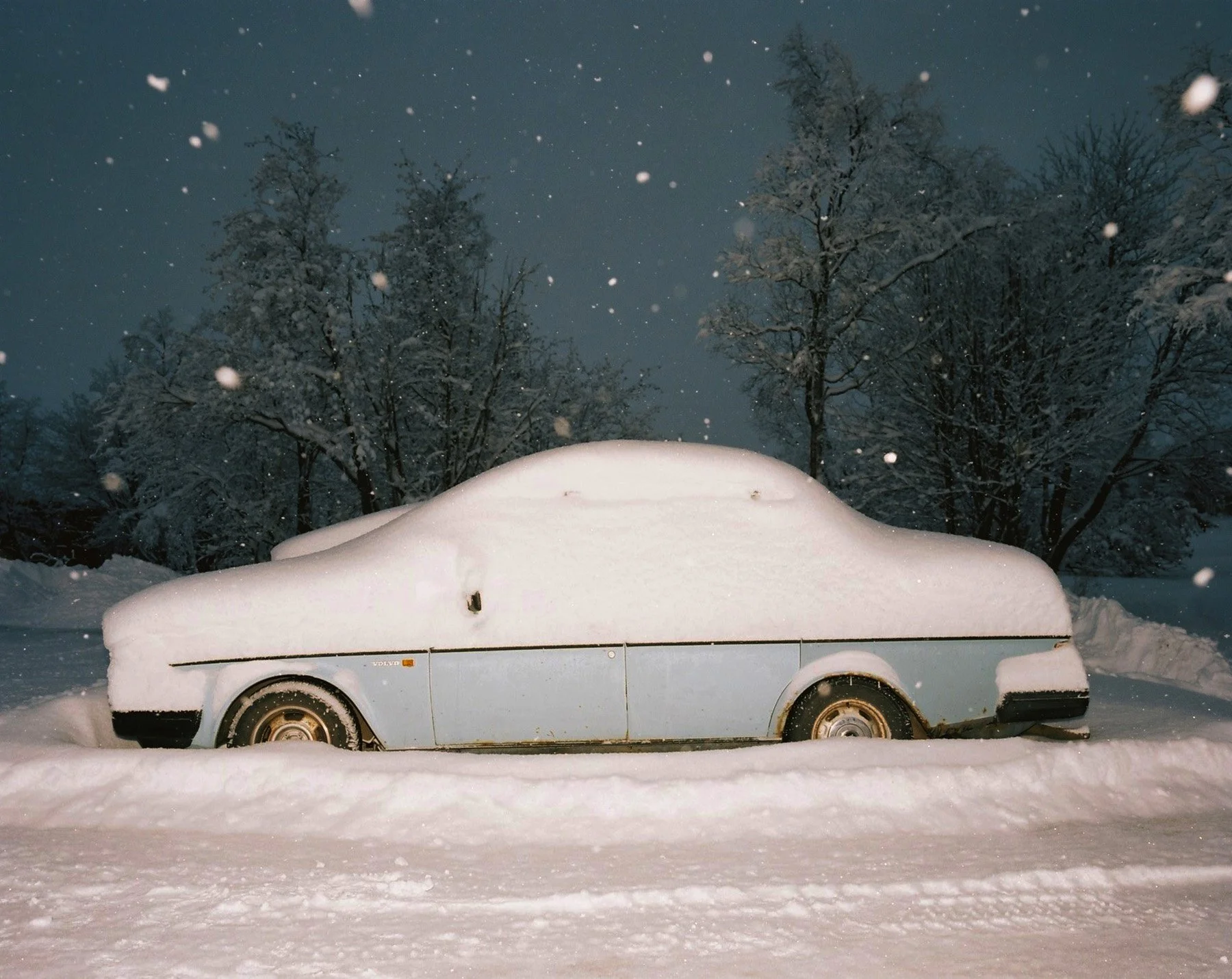
Days before Darkness #13, 2017
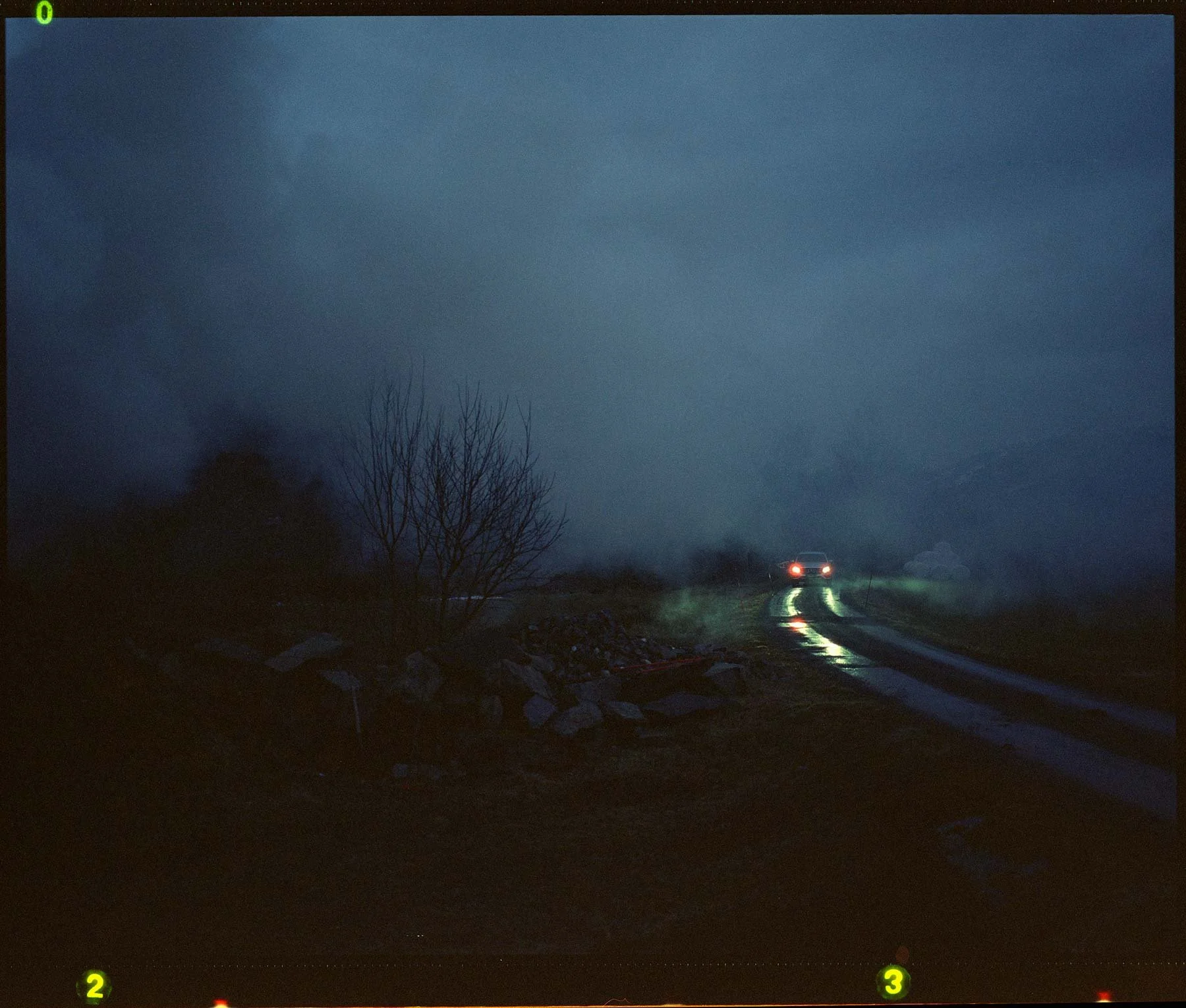
Days before Darkness #23, 2019
ON INSPIRATION AND ATMOSPHERE
HM: Your work feels highly attuned to subtle shifts in atmosphere. Where does that sensitivity come from?
DT: Music. Always music.
It’s the most abstract and emotional form, it bypasses explanation. That’s what I’m trying to do visually.
I’m very sensitive to changes in the atmosphere small or large. It could be something dramatic like a lockdown, or something almost invisible. But when something changes, there’s a frequency to it.
Photography becomes a way to translate that frequency into something visible.
Each image is like a sentence. Together they form a kind of ongoing narrative.
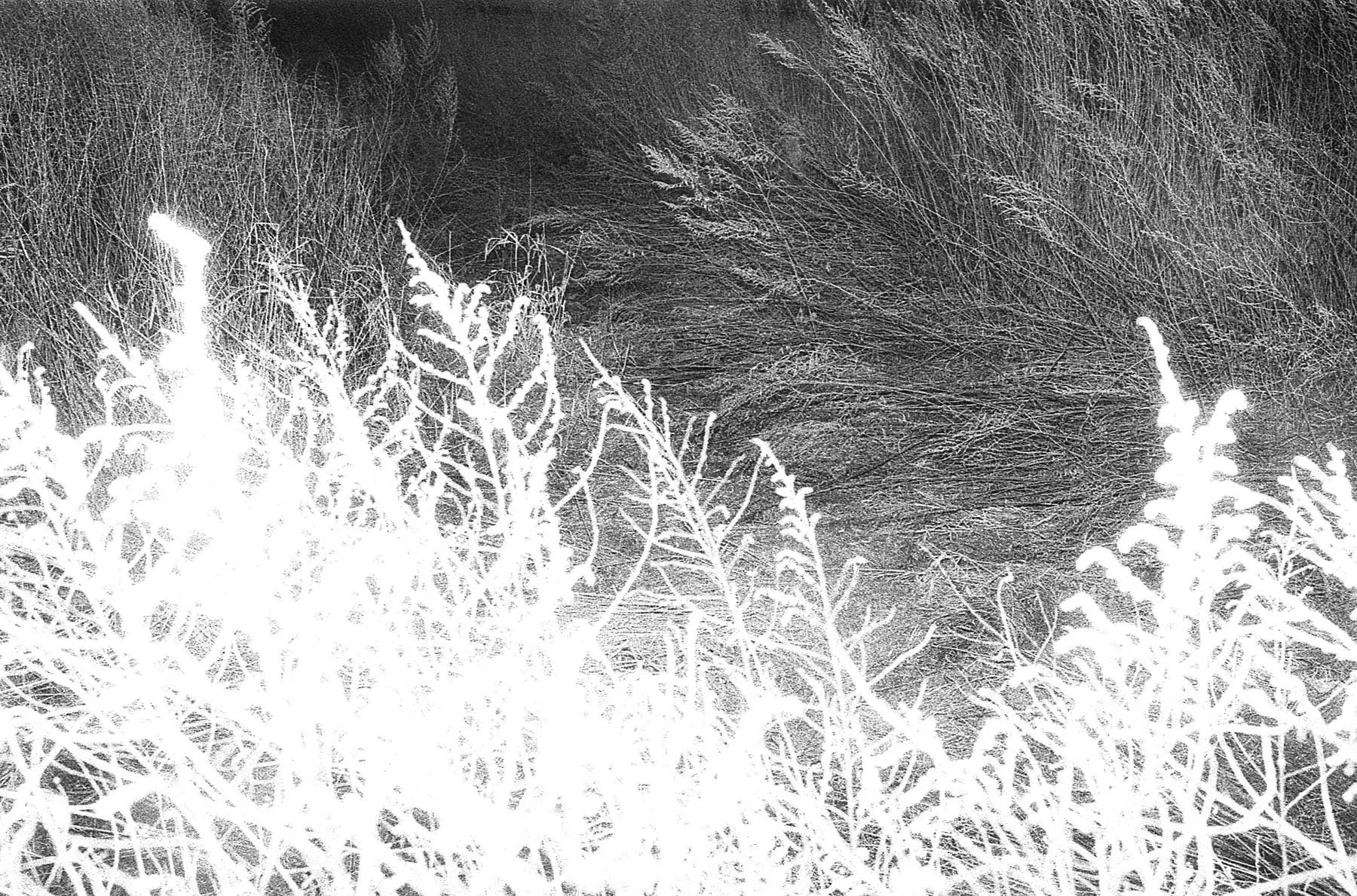
Black Dust #9, 2017
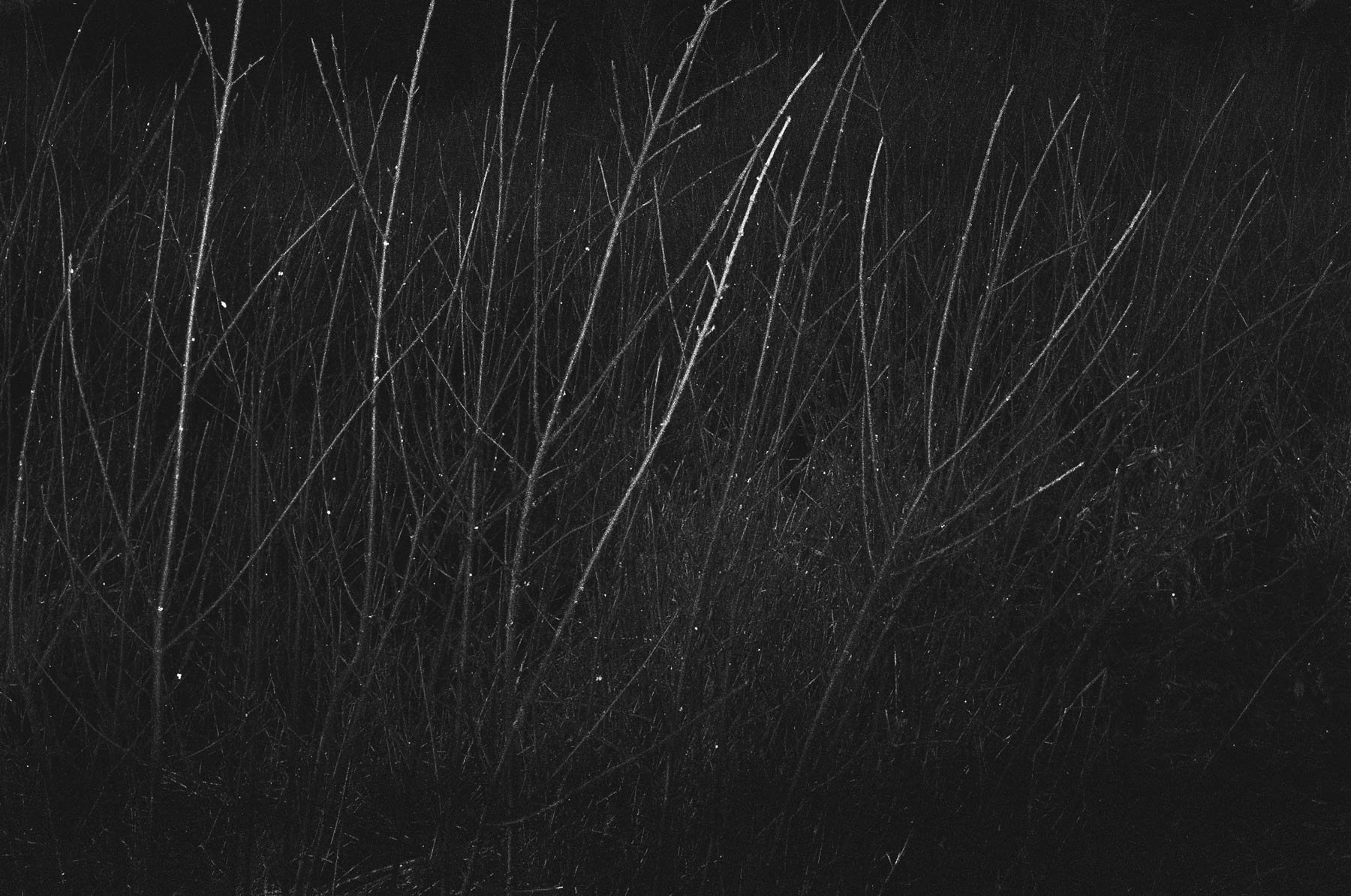
Black Dust #8, 2017
ON PHOTOGRAPHY BEYOND DESCRIPTION
HM: You seem to resist descriptive photography entirely.
DT: Yes. Because the description is already solved.
We know what things look like. That’s not interesting.
When photography is used just to show something, it becomes predictable. But when it begins to suggest what cannot be seen, that’s where it becomes powerful.
Not through manipulation or artificial means, but through attention to what already exists.
Photography can translate imagination, memory, fear, anticipation. That’s what interests me.
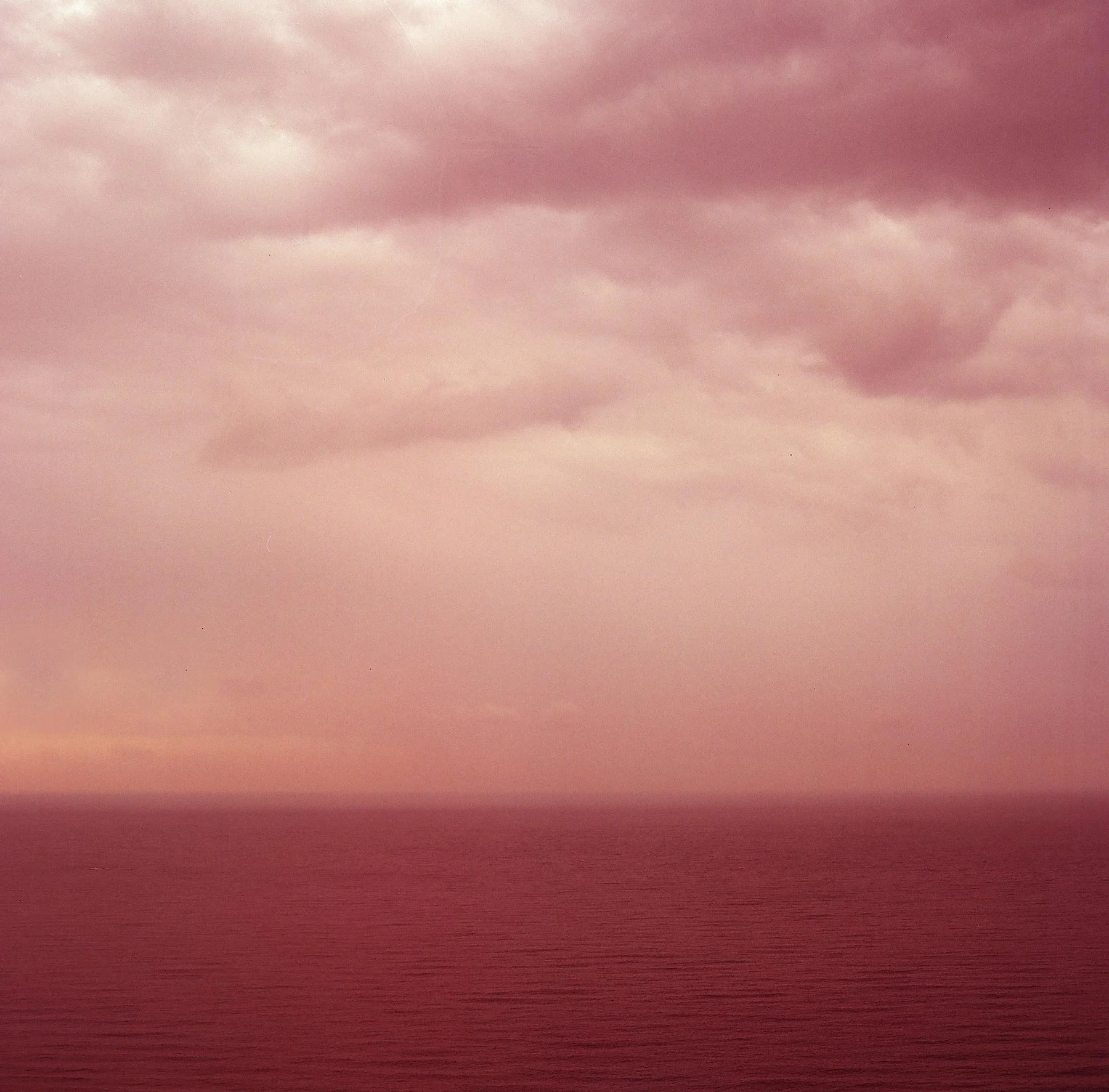
Days Before Darkness #23, 2023
HM: There’s also a strong critique in your work of the obsession with equipment.
DT: Because it’s misplaced.
Nobody asks a musician what instrument they used to create emotion. But in photography, that’s often the first question.
Cameras don’t interest me. Lenses don’t interest me.
What interests me is what they allow me to access.
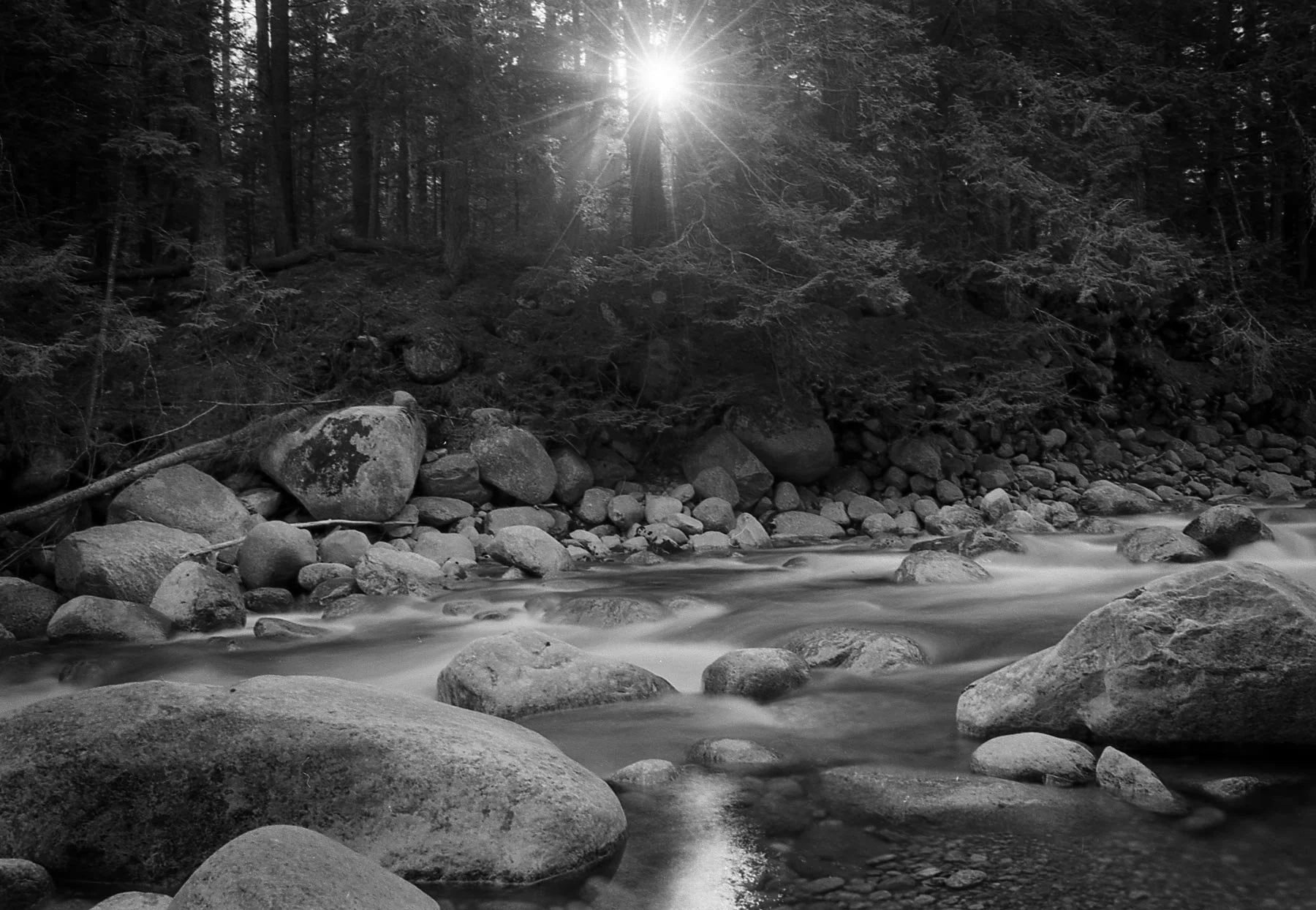
Fading Grounds #13, 2002
ON FILM AND DIGITAL
HM: And yet you choose to work with film. Why is that important to you?
DT: Because the process shapes the experience.
With digital, you see the result immediately. You’re already evaluating, correcting, improving. You step outside the moment.
With film, there’s uncertainty. You don’t know what you’ve made.
That uncertainty keeps you present. You’re not chasing results, you're experiencing something. And later, when you finally see the images, there’s distance. Time has passed. You see differently.
That gap is essential. It allows meaning to develop.
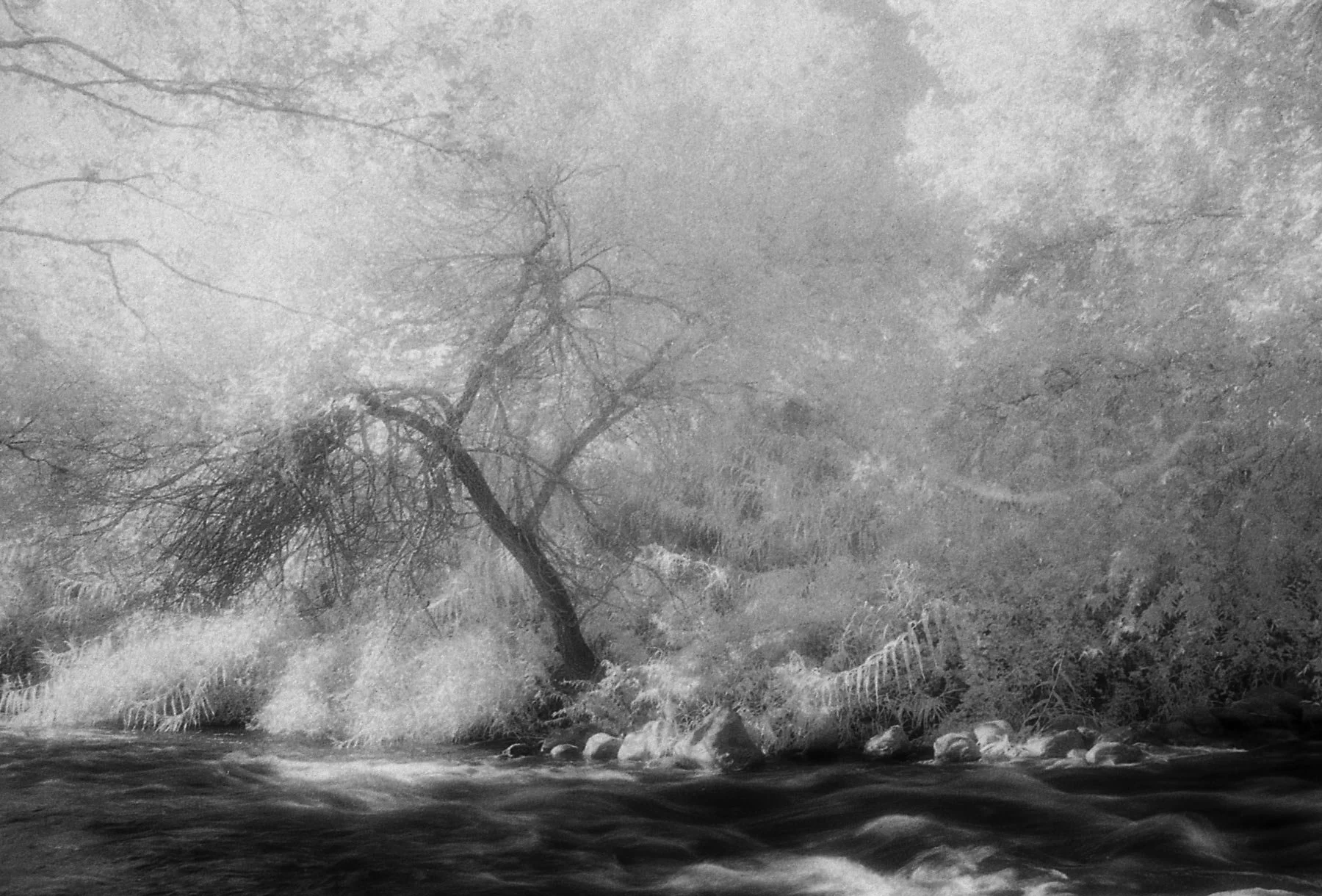
Fading Grounds #25, 2005
ON LANDSCAPE AND MEANING
HM: Let’s talk about the landscape especially in Israel. Your work doesn’t feel geographic in a traditional sense.
DT: Because geography isn’t the point.
I’m not trying to show a place. I’m trying to reveal a condition.
Landscape becomes a surface where something else appears something psychological, something emotional.
In Israel, everything is charged with history, tension, change. But I don’t approach it directly. I respond to the atmosphere.
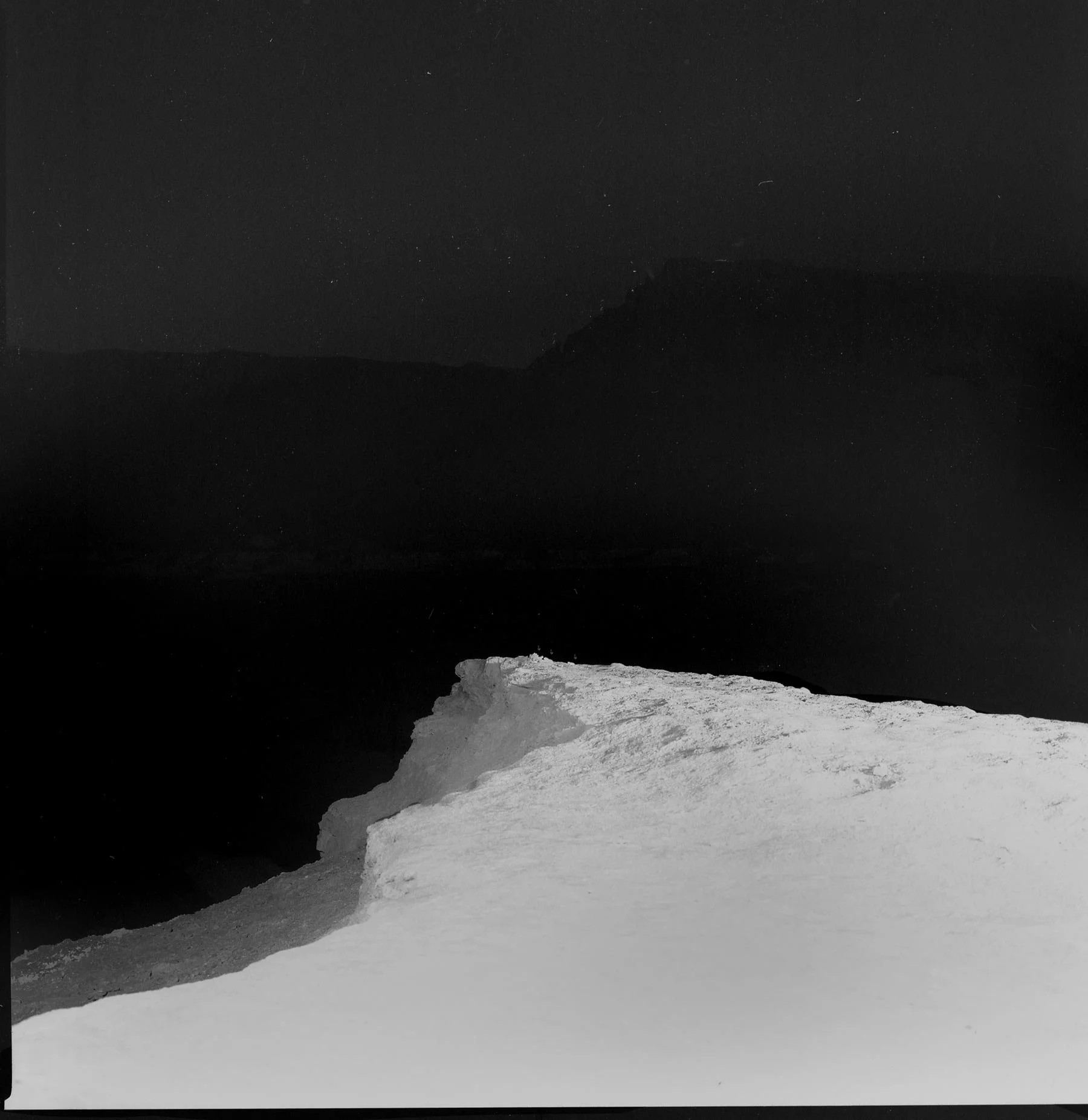
The Lowest Place, Edge of Existence, 2023
ON INSTABILITY AND CHANGE
HM: That atmosphere often feels unstable. Is that intentional?
DT: It’s observed.
I worked on a series of crumbling cliffs. On one level, it’s environmental but it became a metaphor for something broader.
A sense of erosion of structures, of beliefs, of stability.
The speed of change is what’s most striking. Cities transform rapidly. Landscapes shift. What once felt permanent becomes fragile.
That tension between permanence and collapse is central to the work.
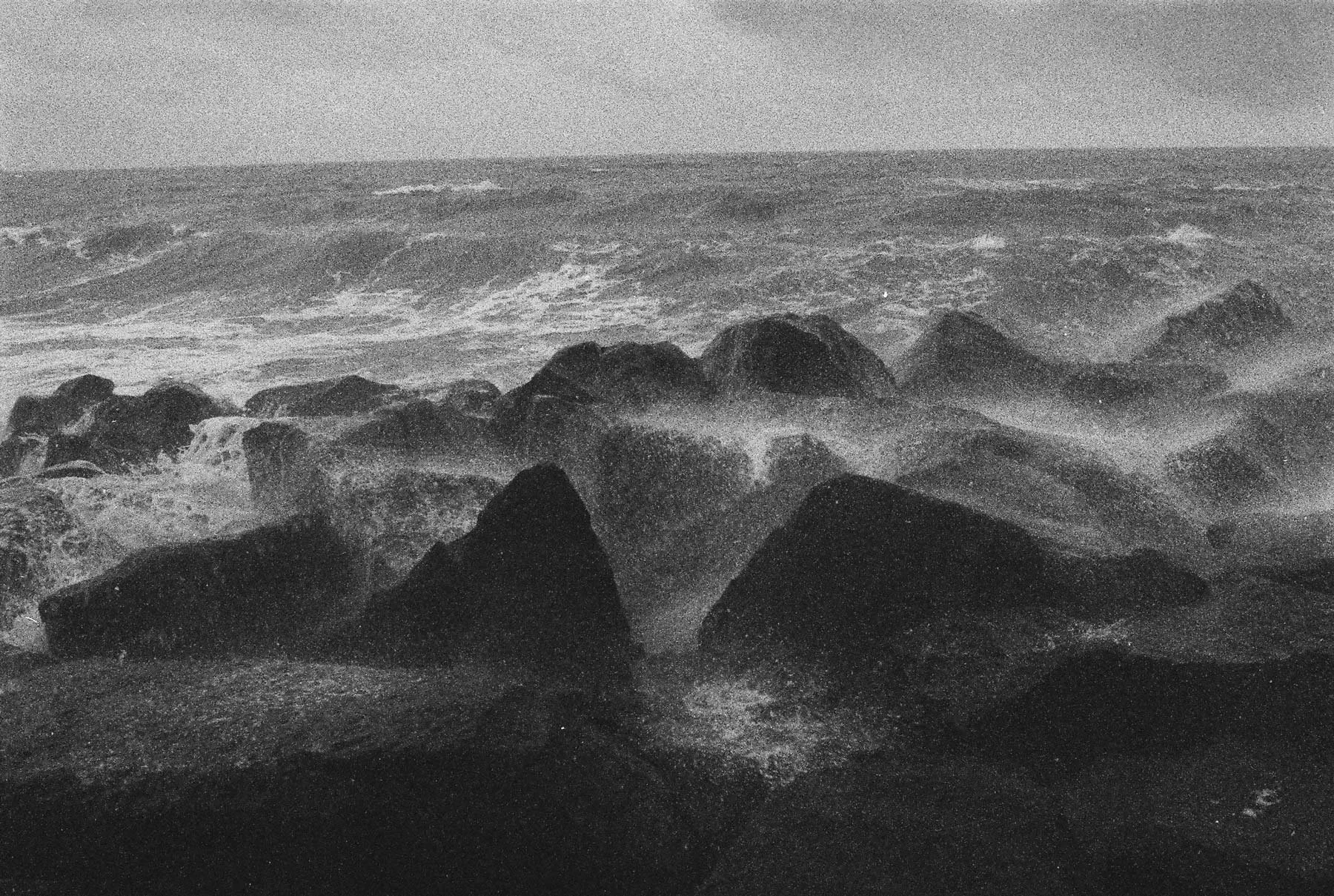
Dark Waters #5, 2018
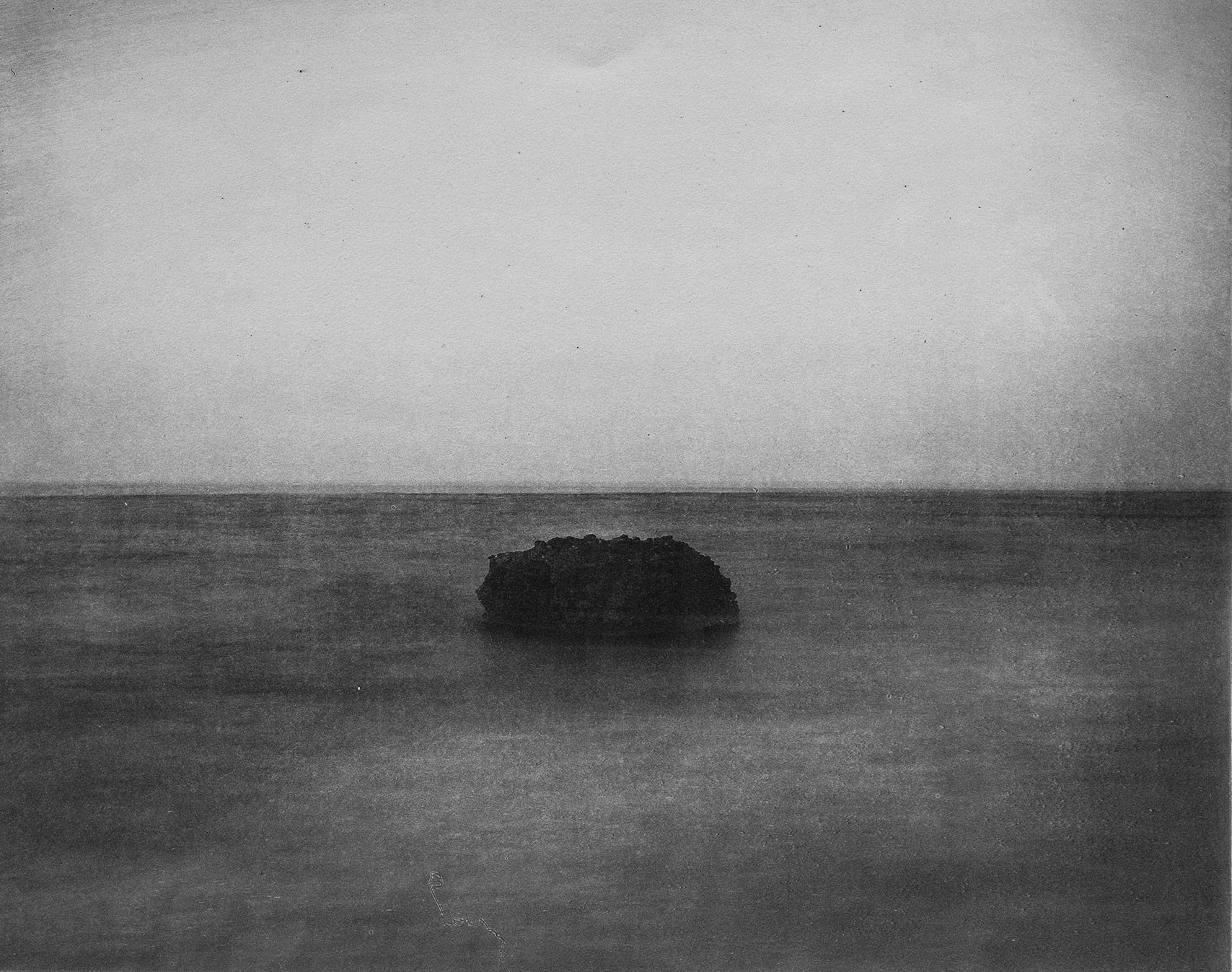
Like a Stone, photo-etching (from the series 'Edge'), 2020
ON AVOIDING CLICHÉ
HM: In a place so heavily photographed, how do you avoid repetition?
DT: By not thinking in terms of photography.
I’m not responding to other photographers. I’m responding to my own perception.
If you stay close to your own experience and your own questions you naturally avoid cliché.
Because you’re not trying to replicate anything.
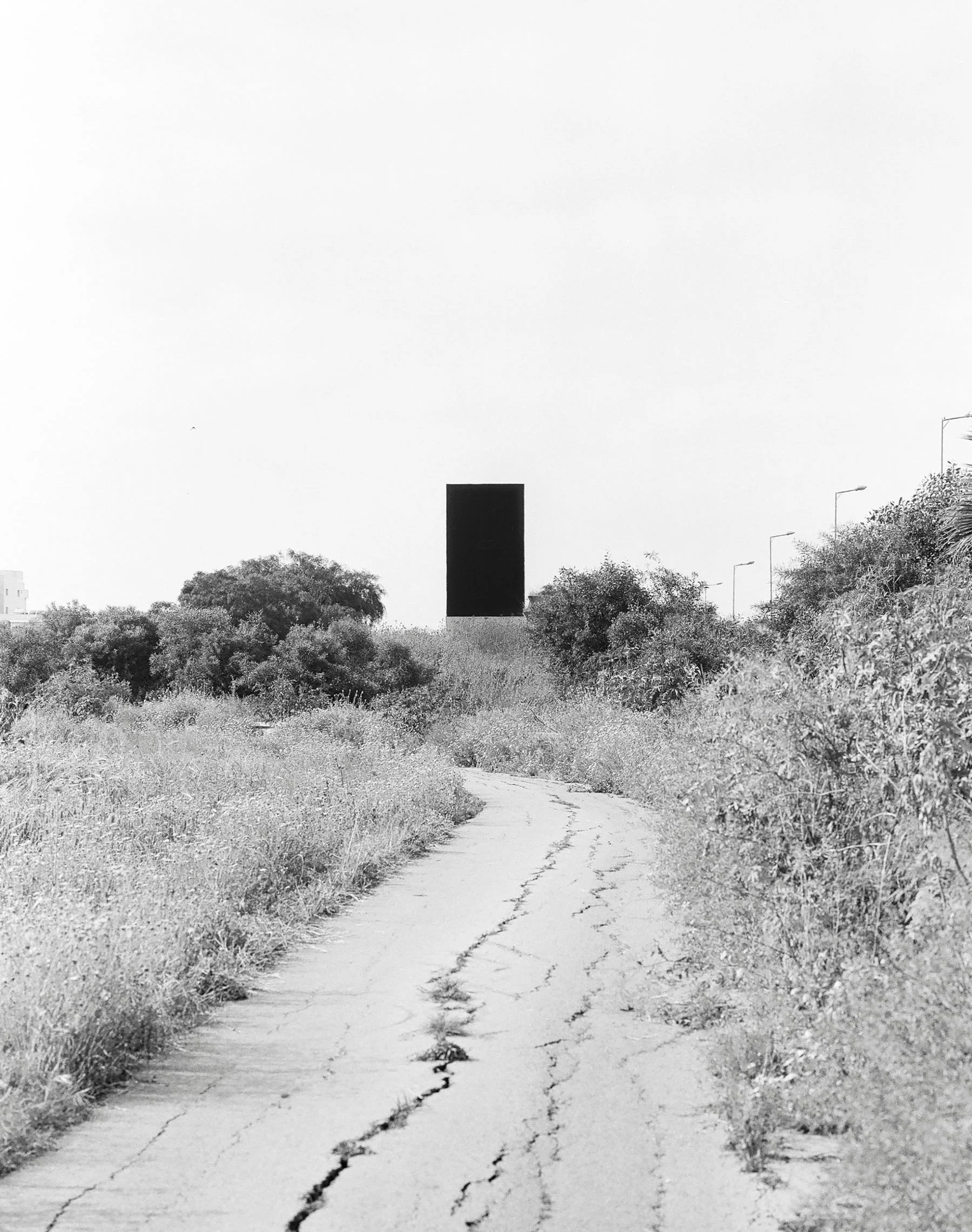
Maybe its a Sign, first Lockdown, 2020
ON BOOKS
HM: Books seem central to your practice. Why?
DT: Because they allow control over time.
An exhibition is open and people move freely. A book is structured. You guide the viewer.
Sequence, rhythm, pacing it’s closer to composing music.
And books last. They exist physically. They stay with people.
In a digital world, that matters.
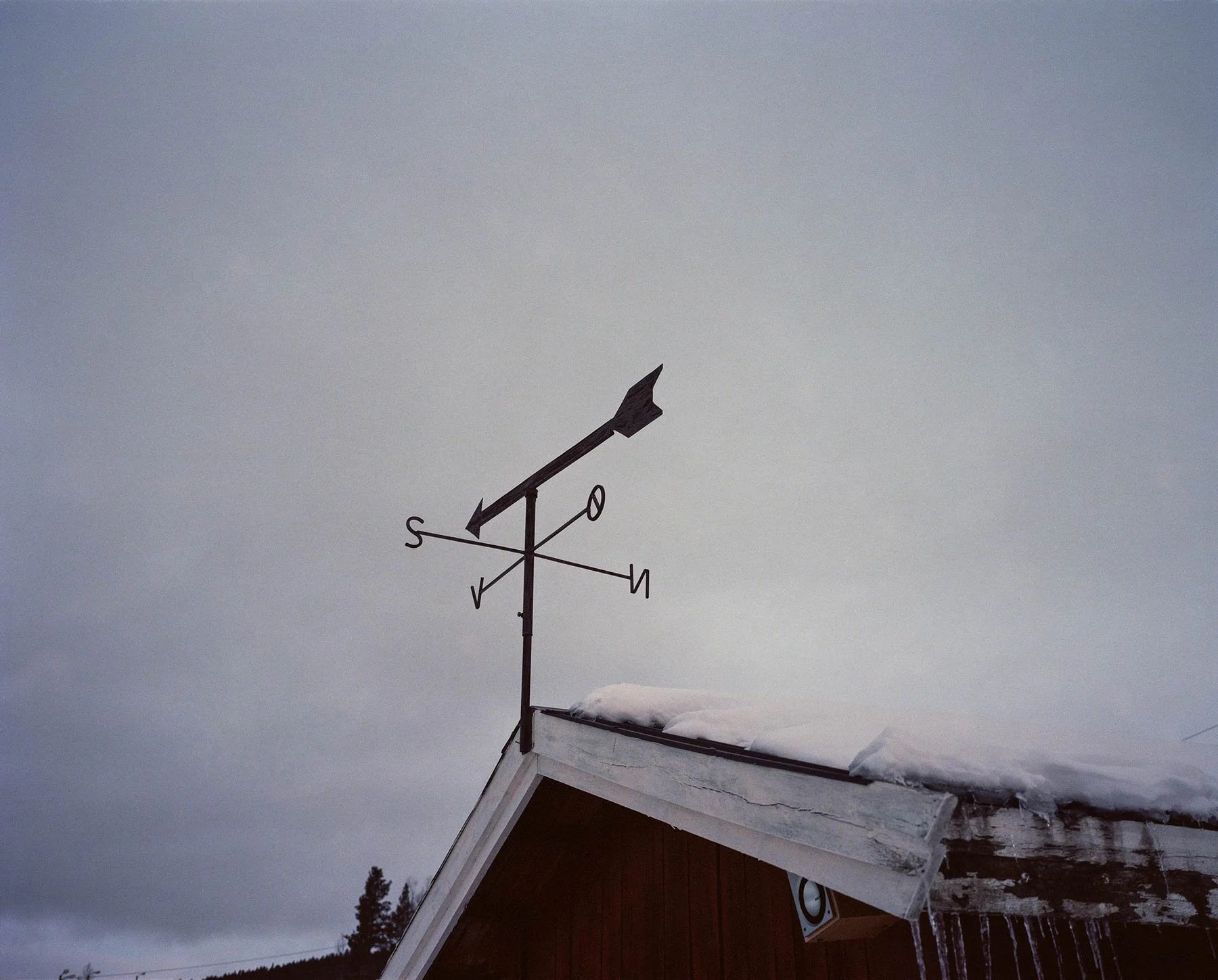
Days Before Darkness #28, 2019
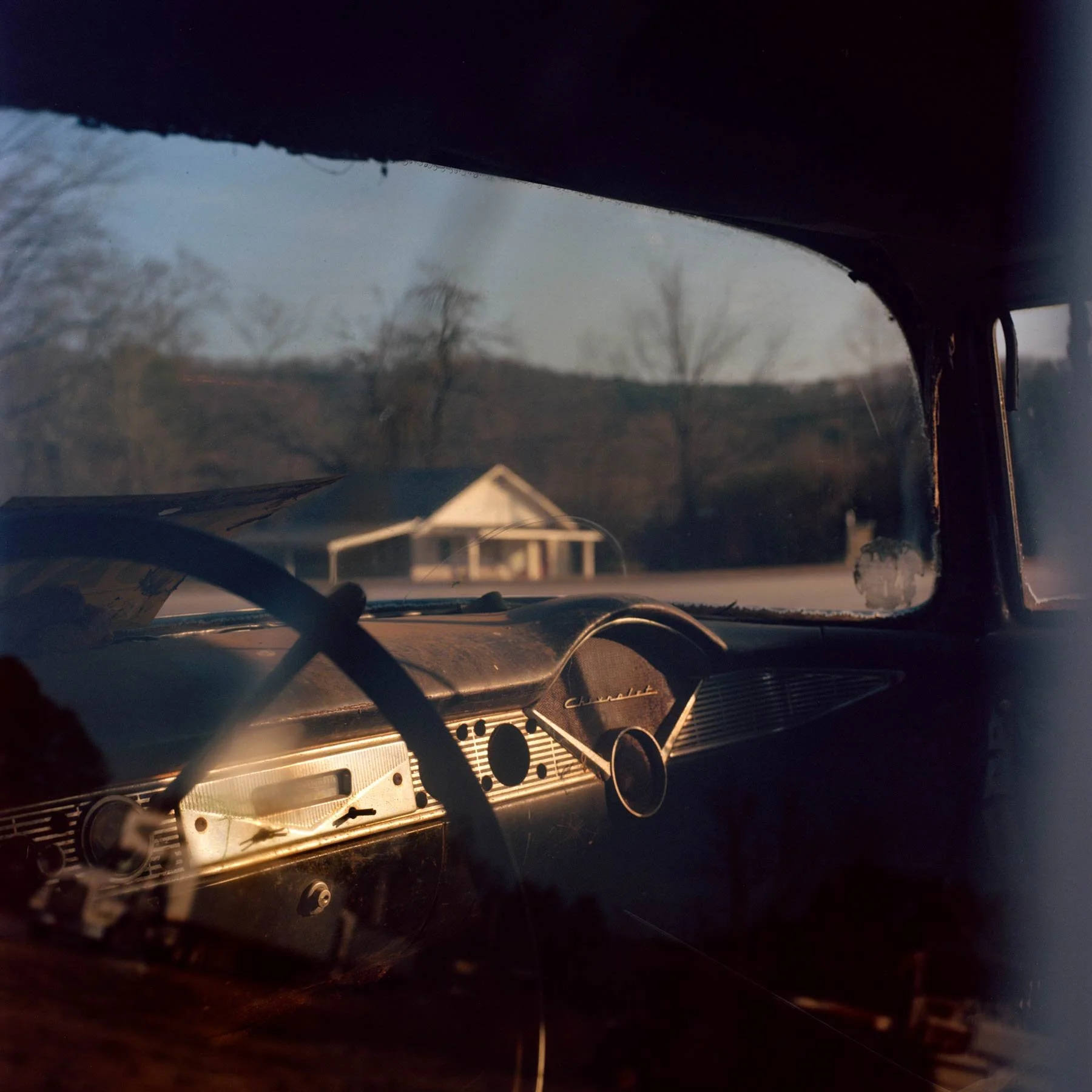
Lost Roads #17, 2013
ON EDITING
HM: How do you approach editing?
DT: Slowly, and over time.
You need distance from the images. Something that feels essential today might feel irrelevant later and the opposite is also true.
You’re not selecting the “best” images individually; you’re building a structure. A flow. A rhythm.
Editing isn’t a technical step. It’s the work itself.
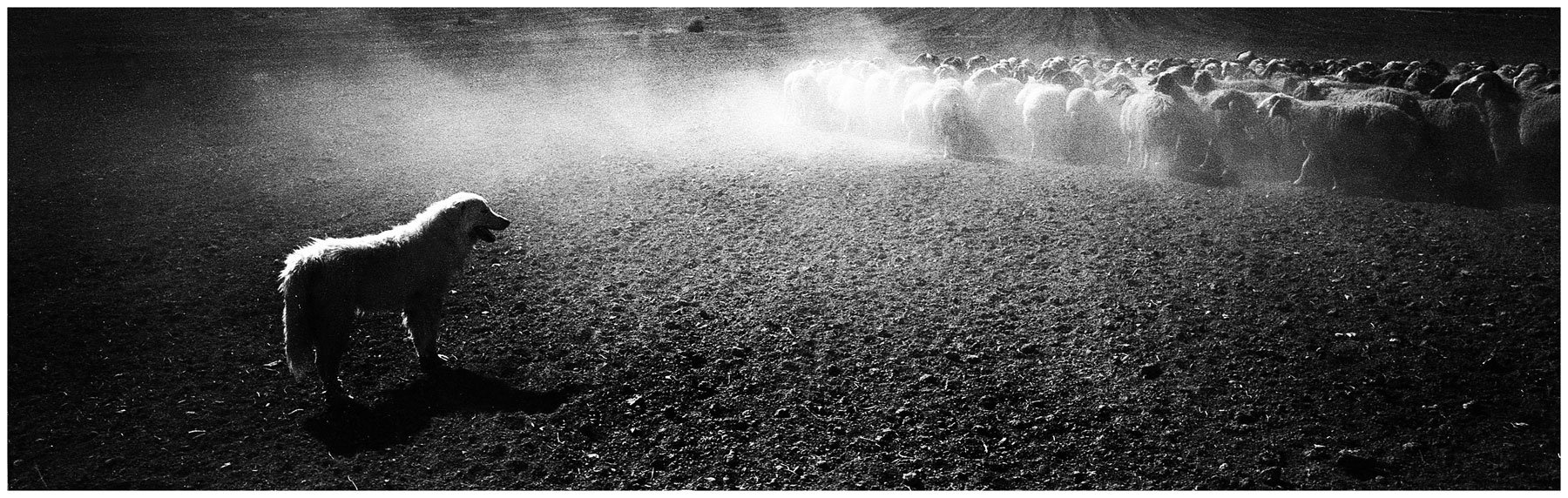
Beyond Dust and Light, 2014
ON COLLABORATION
HM: Do you work with editors or curators?
DT: Yes and more than before.
An external perspective is crucial. As photographers, we’re too close to the images.
A curator can see relationships we miss, connect different bodies of work, create new narratives.
It’s similar to music production: small changes can transform everything.
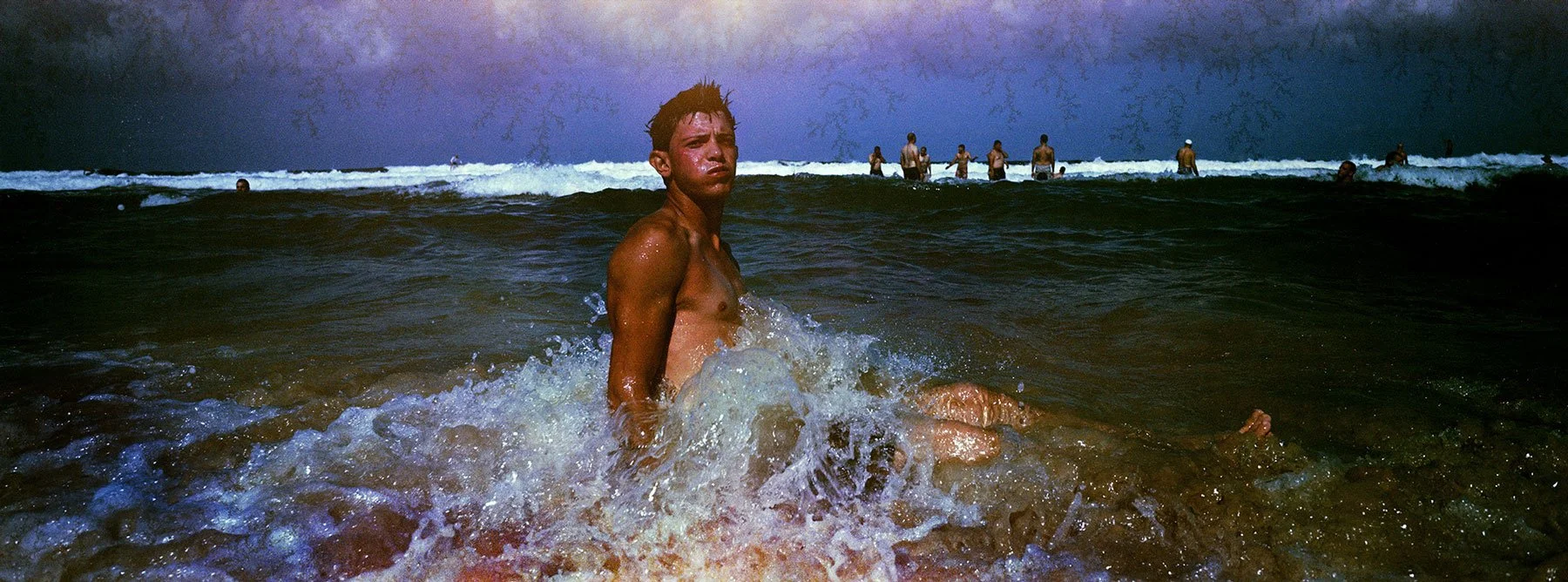
Sunburn #3, 2014
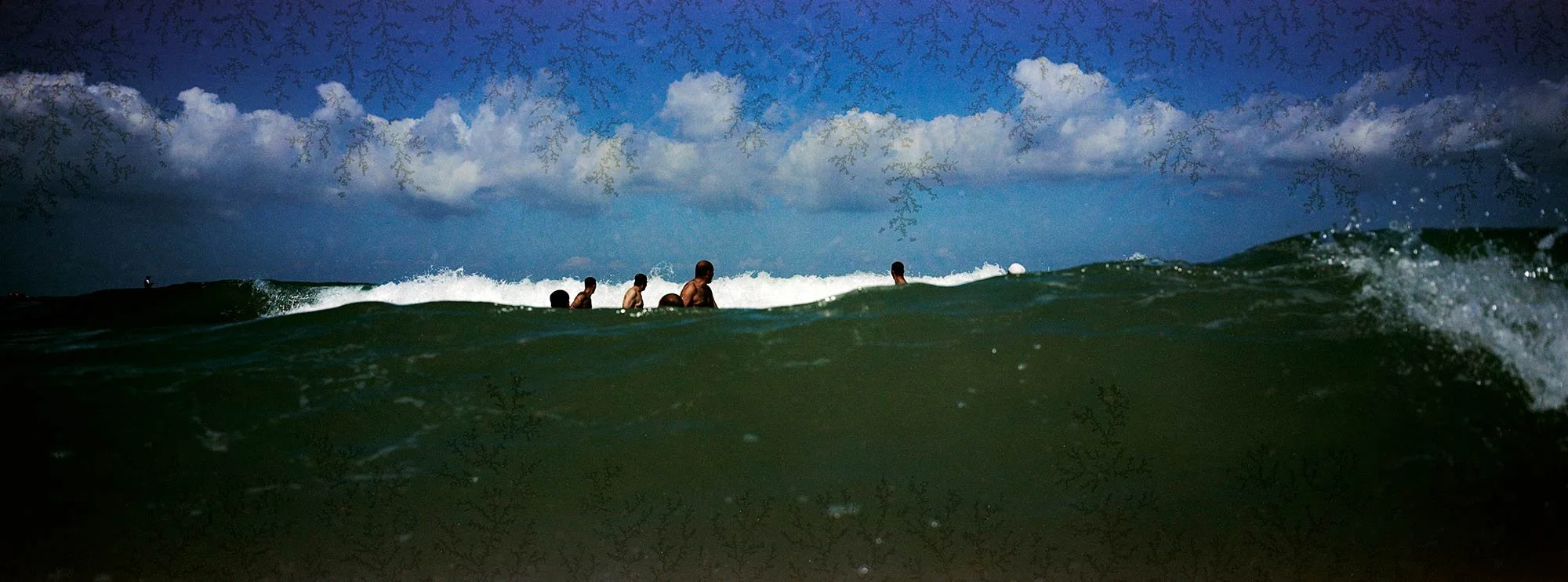
Sunburn #11, 2014
ON EXPANDING THE WORK
HM: What happens when someone else reinterprets your work?
DT: It expands.
They can take images from different series and create connections I hadn’t considered, building something more complex than a single project.
It allows the work to evolve beyond its original intention.
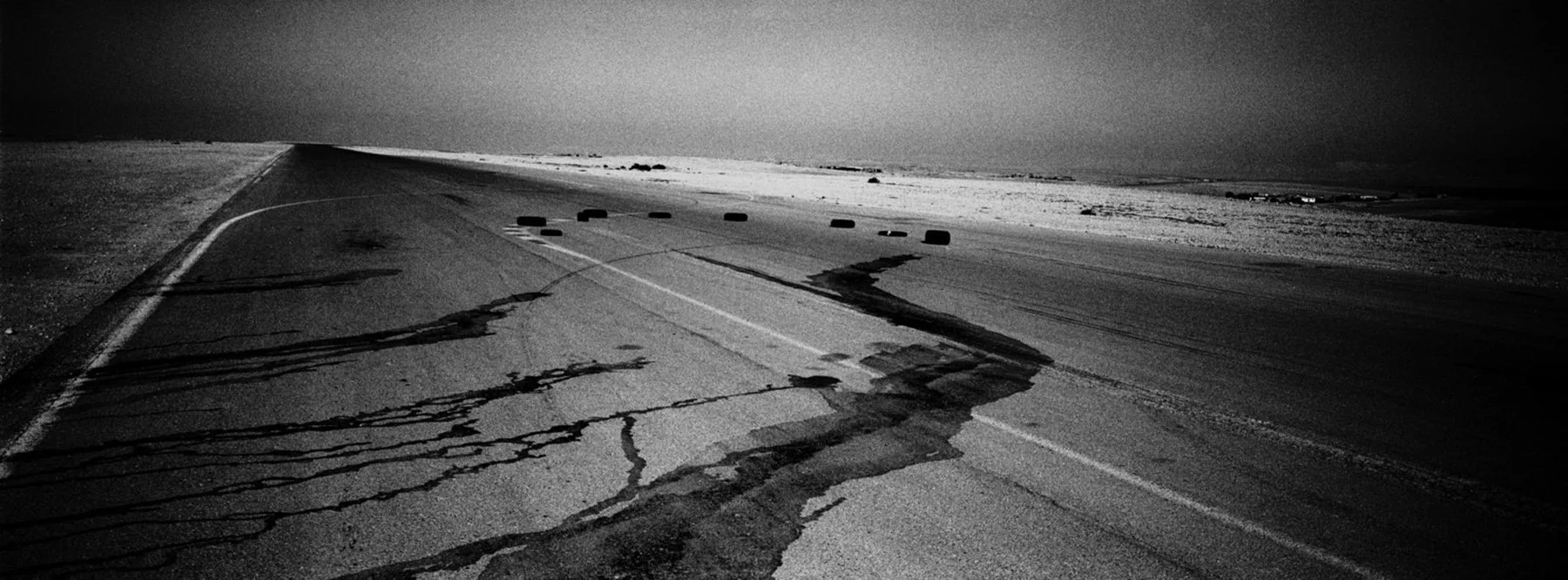
Sunburn, Lost Highway, 2015
HM: Daniel, thank you. Your work reminds us that photography is not just about looking, but about feeling our way through the world.
NewfFoundLands is a new photography book by Daniel Tchetchick, which documents his experiences in the Poconos, an area of forested peaks, lakes, and valleys in Pennsylvania. The result is a rich visual experience which emphasizes the extra-temporal power of nature as the sublime. Using film photography, and printed in dutone with a silver pantone, the finished book will work to both disorient, and calm. To find out more, please click the link www.sternthalbooks.com
All images © Daniel Tchetchik unless stated otherwise