
Chester Higgins: The Signature of the Spirit
“Wrestling with issues of memory, place and identity, I see my life as a narrative and my photography as its expression. My art gives visual voice to my personal and collective memories. It is inside ordinary moments where I find windows into larger meaning. Light, perspective, and points in time are the pivotal elements I use to reveal an interior presence within my subjects as I search for what I identify as the Signature of the Spirit.”
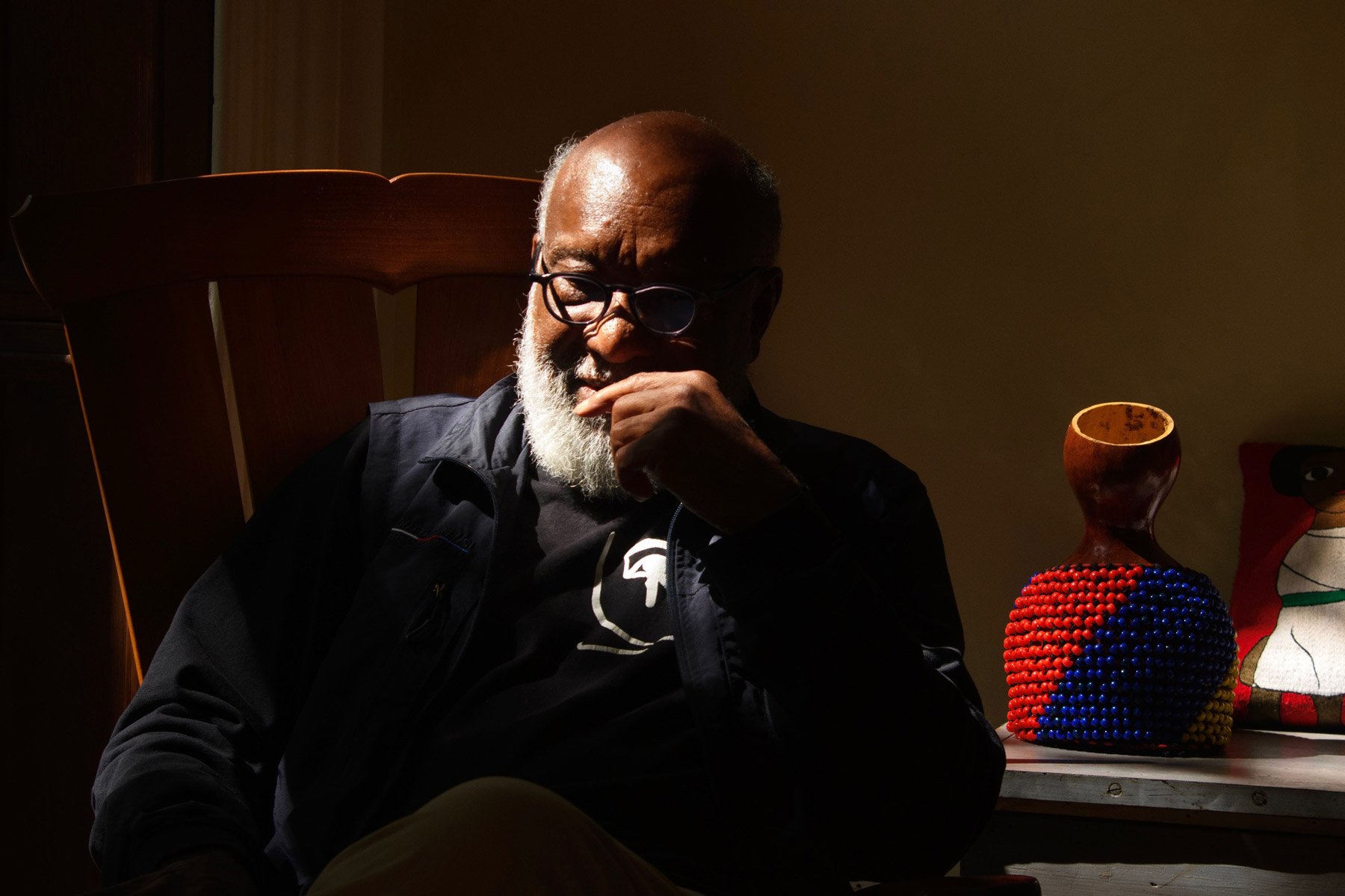
© Kim Watson
HM: Let’s start at the beginning. Where did you grow up and how did photography find you?
CH: I grew up in a small village in southeast Alabama about eight hundred people. My mother was a schoolteacher, my father a businessman. Summers meant working in cotton and peanut fields. My high school class had twelve people.
I went on to Tuskegee. My mother insisted on it she wanted me to attend a school founded by a Black man, Booker T. Washington. I studied business and sociology. Sociology changed how I saw the world how individual lives connect to larger forces.
Photography came by accident. I was the business manager of the student newspaper and had to hire a photographer. One day he hadn’t done the work, so I went to his house and waited while he processed the film. While I was there, I saw photographs on his wall of Depression-era farmers. Poor, but dignified.
They reminded me of my great-aunts and uncles back home. And I thought: what would happen if I photographed them and put those pictures on their walls? Would they feel worthy of being seen that way?
I didn’t have money to keep hiring a photographer, so I learned. After about a year and a half, I went home, made the pictures, framed them, and put them on their walls.
Then I watched their faces.
That was the moment. That’s how I started.
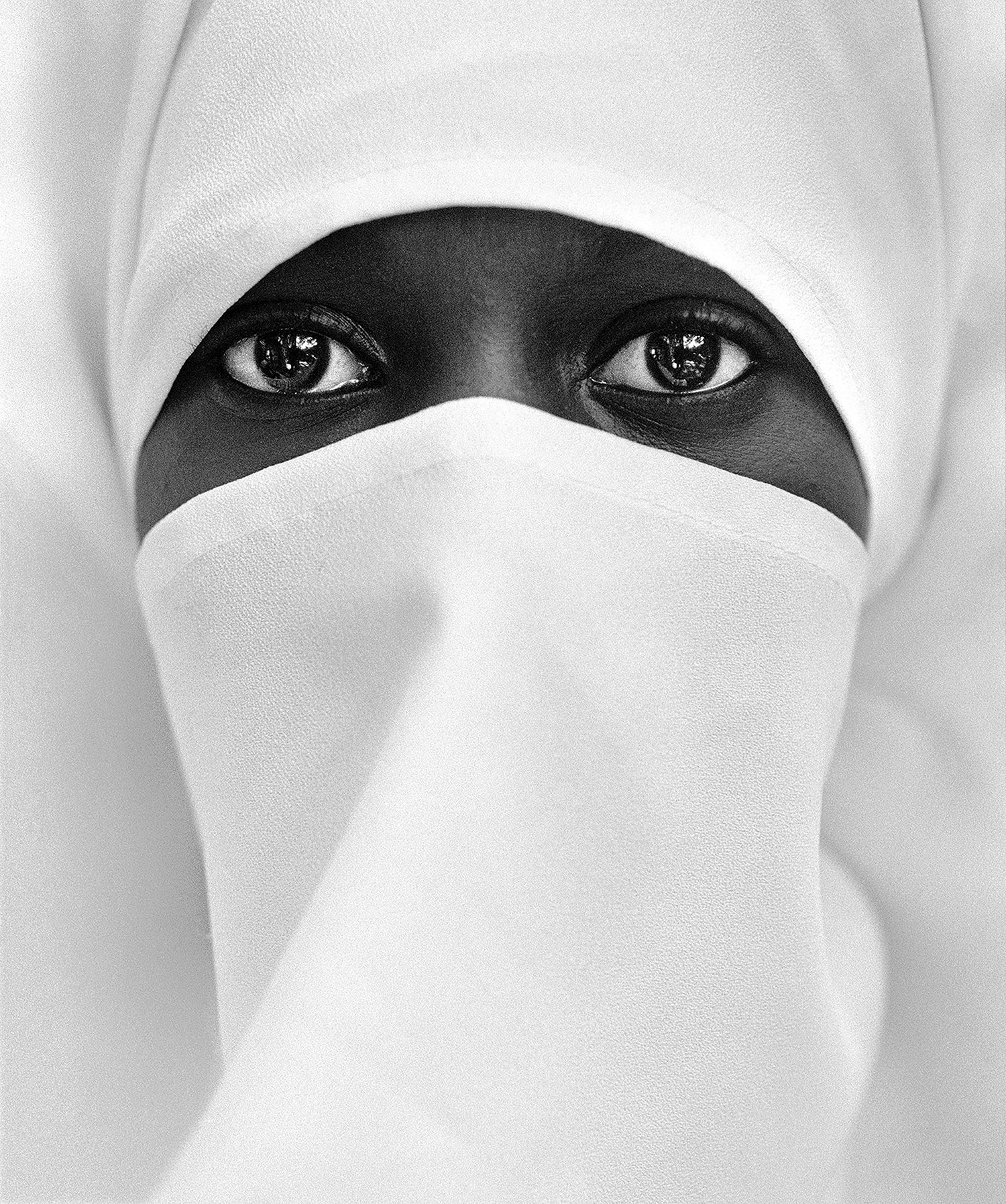
Muslim Woman. Brooklyn, NY
HM: What happened next?
CH: The civil rights movement. I was at Tuskegee from 1964 onward, participating in rallies and pickets. But the turning point wasn’t the protests, it was seeing the photographs afterward.
For the first time, I saw how we were portrayed. We didn’t look like citizens. We looked like criminals.
That’s when I understood: a photograph never lies about the photographer. If the photographer hates you, the image will show it. If they respect you, that will show too.
I had a choice; protest the media, or change it. I chose to change it.
Most civil rights photography was confrontational. But I was interested in what people were defending, the love, the culture, the dignity back home. That became my work.
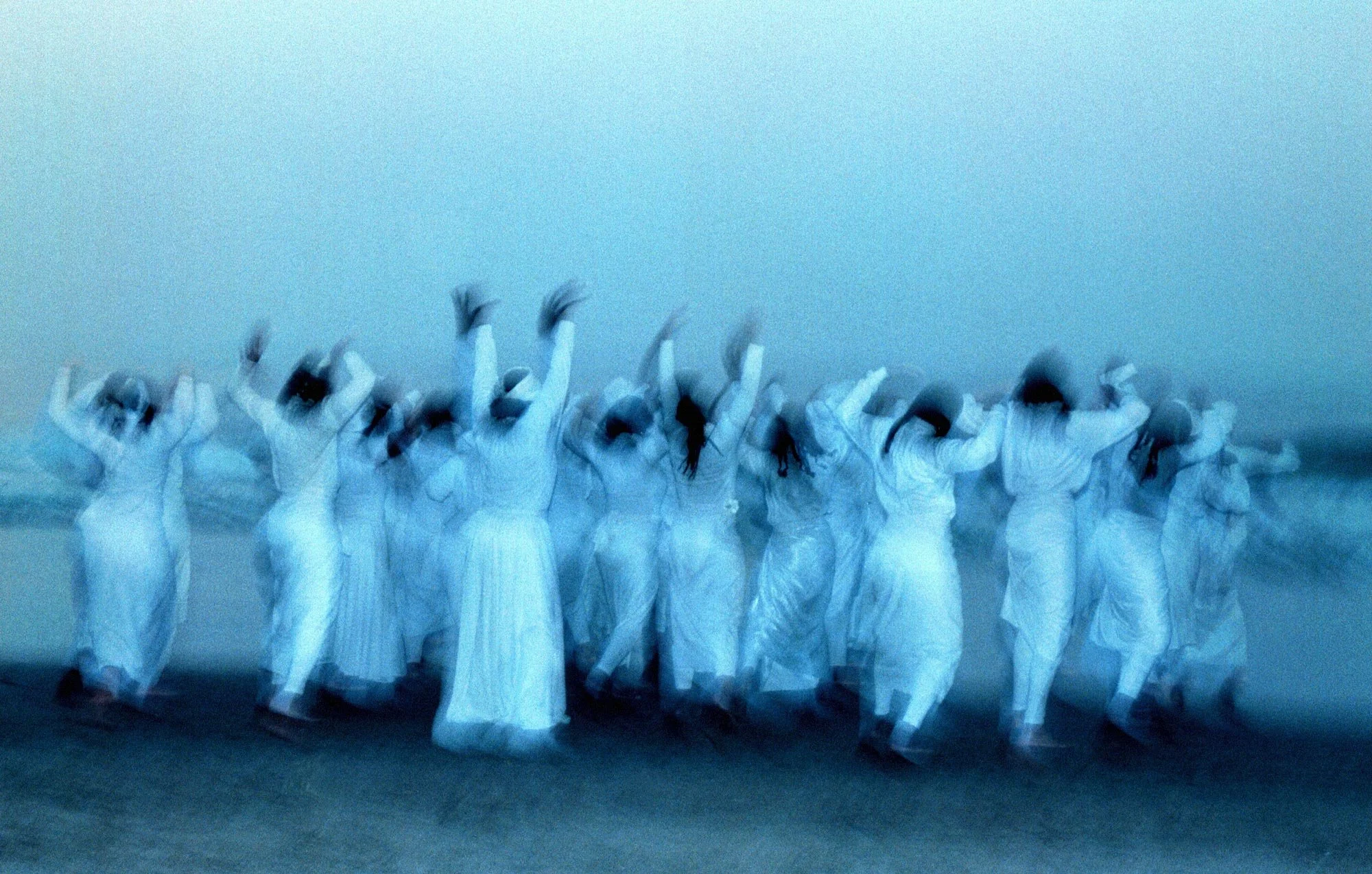
African American pilgrims. Aswan, Egypt
HM: How did you develop your eye?
CH: In the 1960s there were no photography schools. You had to find a mentor. So in 1969 I came to New York, went to magazine offices, and asked picture editors to review my work.
They were kind, but I learned something: editors aren’t photographers. They know a good picture, but they can’t teach you how to make one.
Then I met Arthur Rothstein at Look magazine. He looked at my pictures, started cropping them with pieces of paper, and suddenly I saw what they could be.
He said, “You don’t know composition, design, balance.” And he was right.
I went back to his office almost every other day that summer. He taught me how to see what strengthens a picture, what weakens it. Visual language.
That changed everything.
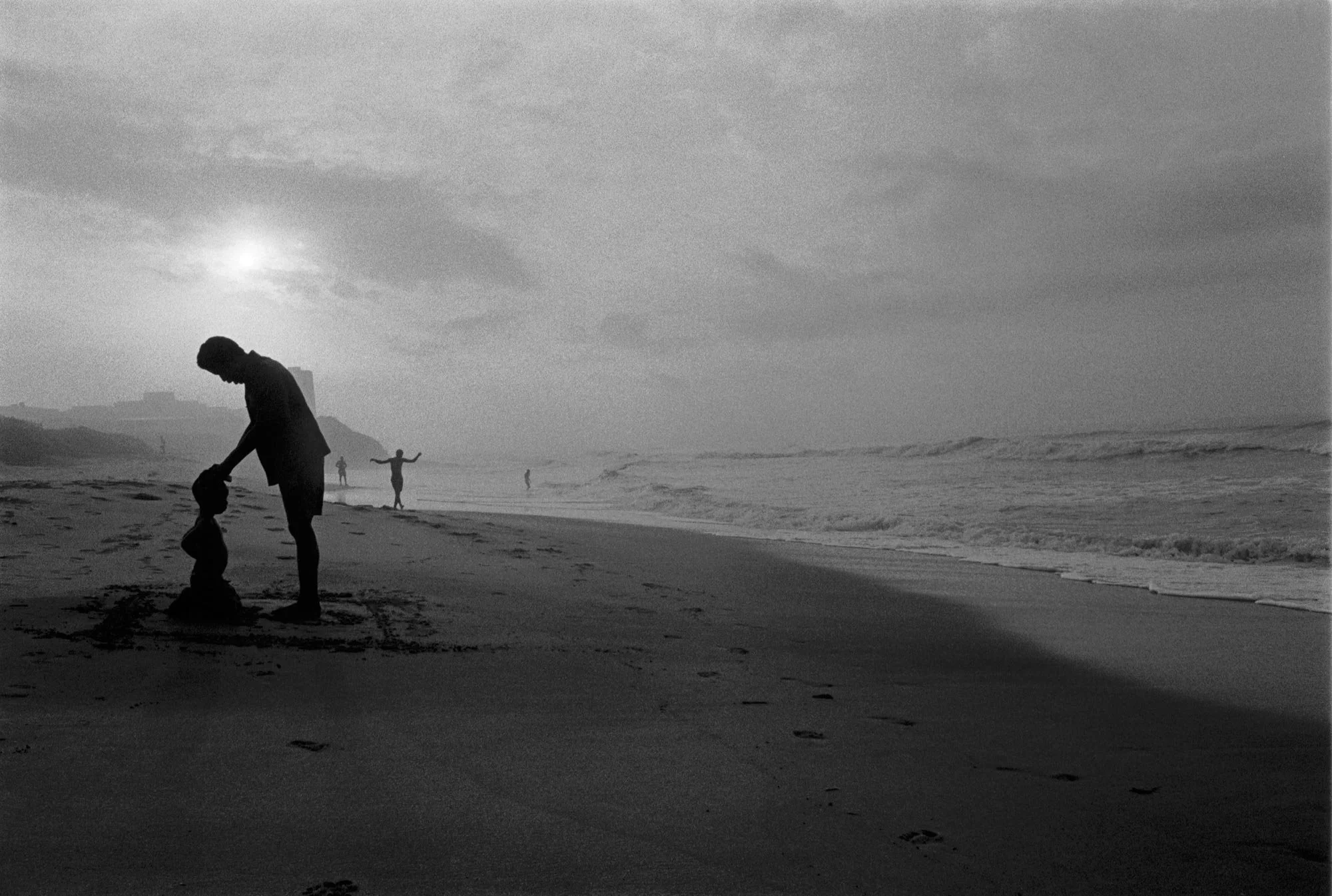
Father blessing son. Accra, Ghana
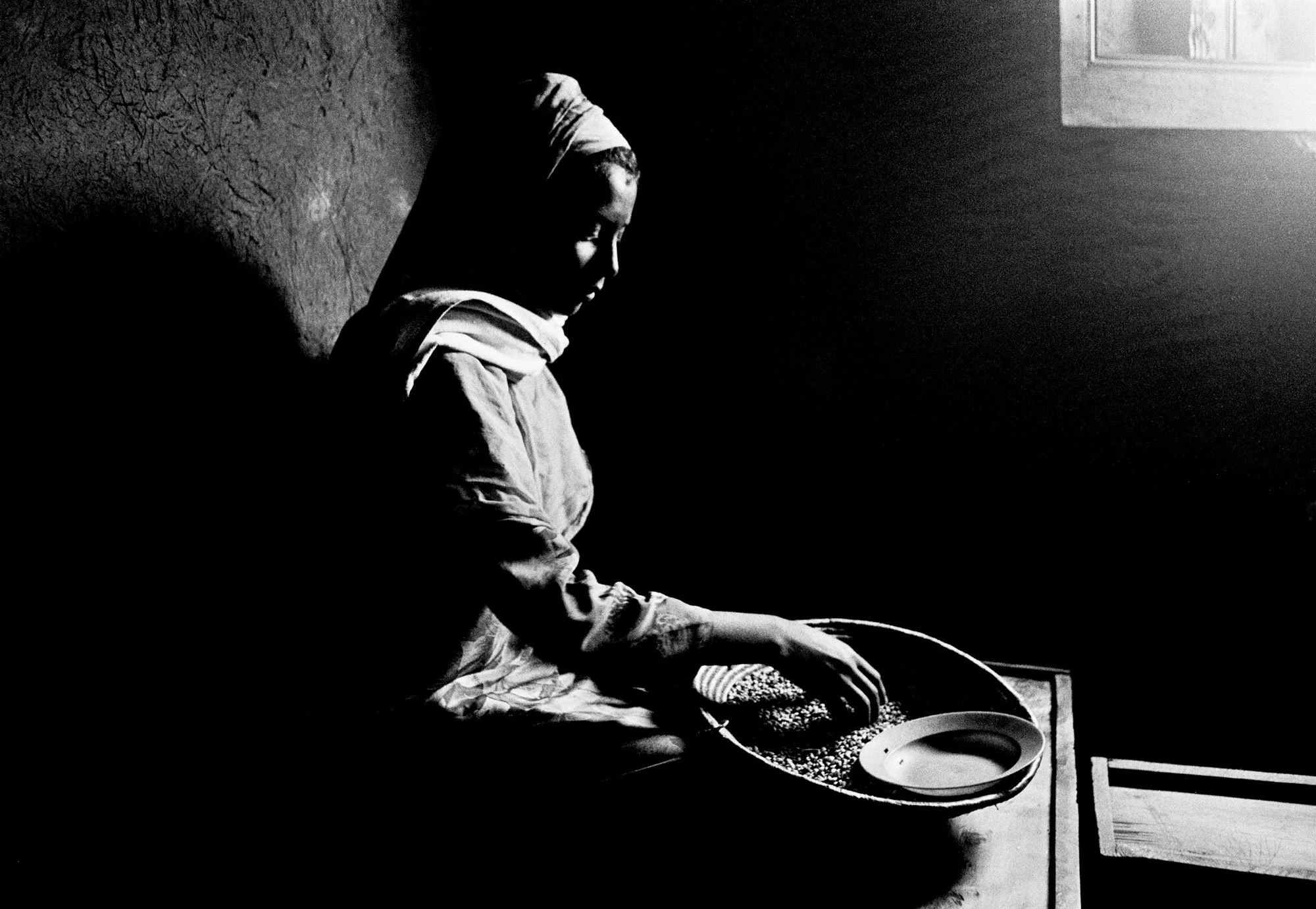
Morning chores. Ethiopian Highlands
HM: How did you end up at The New York Times?
CH: I was freelancing, working on books, traveling to Africa. In 1974 I photographed a drought in Niger. The Times picked up the images, and soon after, they offered me a staff position.
I hesitated, I didn’t want to be tied down. But I said yes.
At the Times, my mission stayed the same: change how my people are portrayed. But I had two tracks. One was the Times. The other was my own work; culture, spirituality, things they weren’t interested in.
I worked eight hours for them, eight hours for myself.
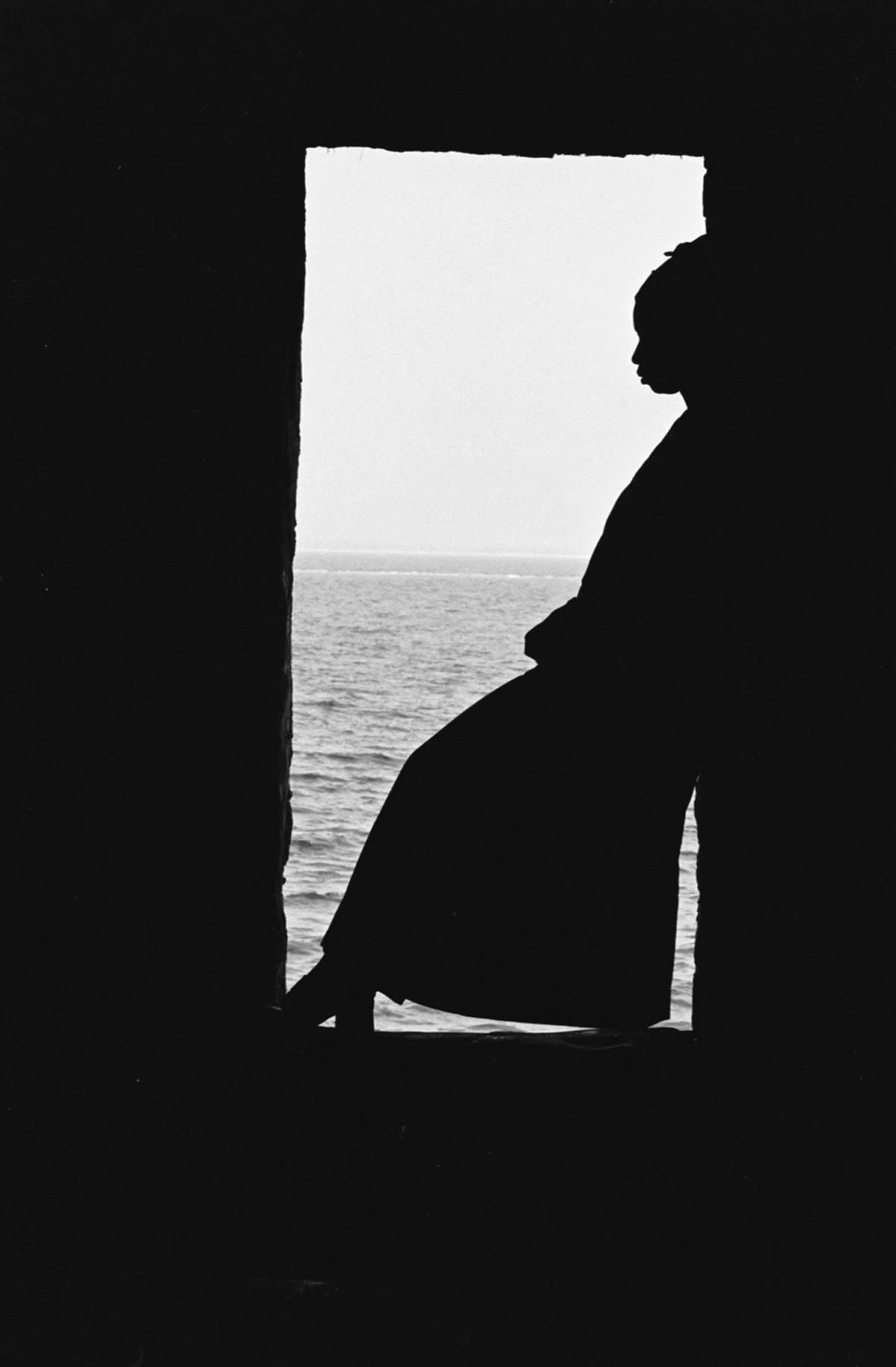
Door of No Return, Goree Island. Dakar, Senegal
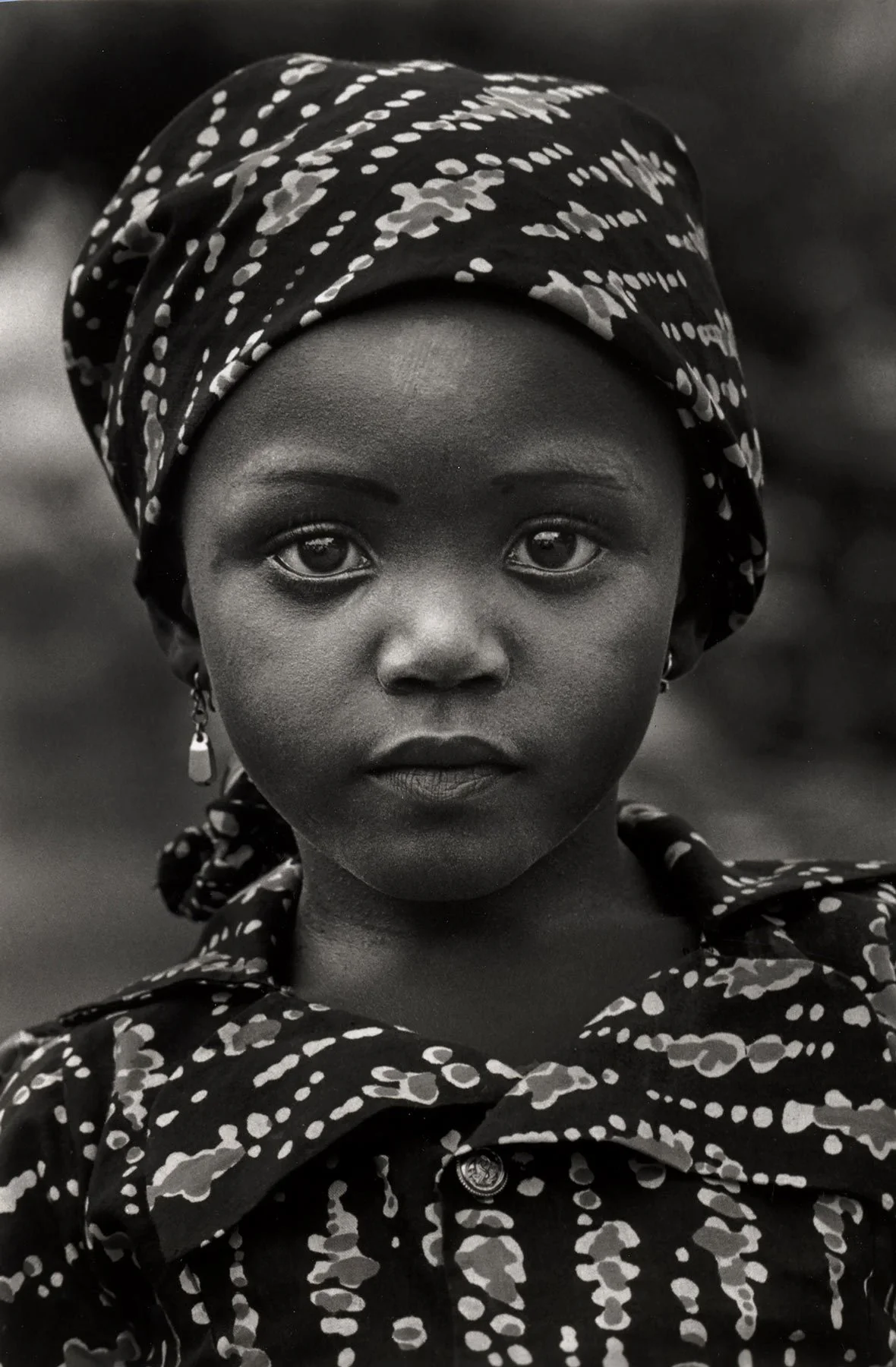
Young girl. Tamale, Ghana
HM: What wouldn’t they cover?
CH: Anything outside their experience. Editors act from what they know. At the time, their understanding of Black life was very limited.
So I saw myself as an educator. I’d say: this exists, this matters, this is a story.
Over time, I got them to publish things they wouldn’t have, Kwanzaa, African communities, religious life. When I retired, the managing editor said I had expanded how they understood Black people.
That mattered to me.
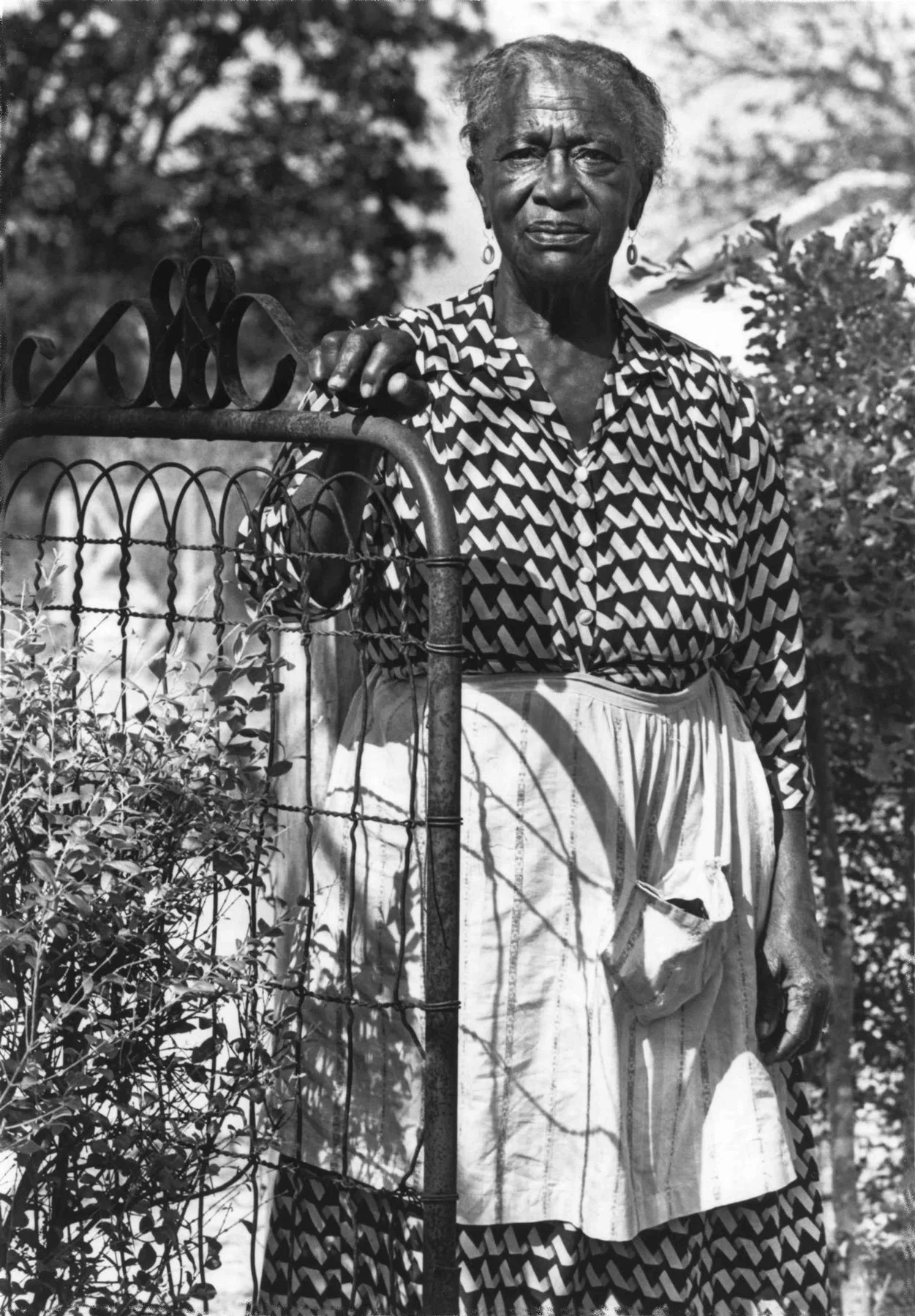
Midwife Shugg Lampley at gate. New Brockton, Alabama
HM: What was it like being a Black photographer in that environment?
CH: I didn’t experience it the way people might expect. I insisted on being treated as an intellectual peer.
If someone wanted to be racist, to me that meant they had already reduced themselves intellectually. And I would meet them there.
The only people who mattered to me were people who took themselves seriously. The Times is a serious place. If you’re busy being racist, you’re not serious.
I didn’t have time for that.
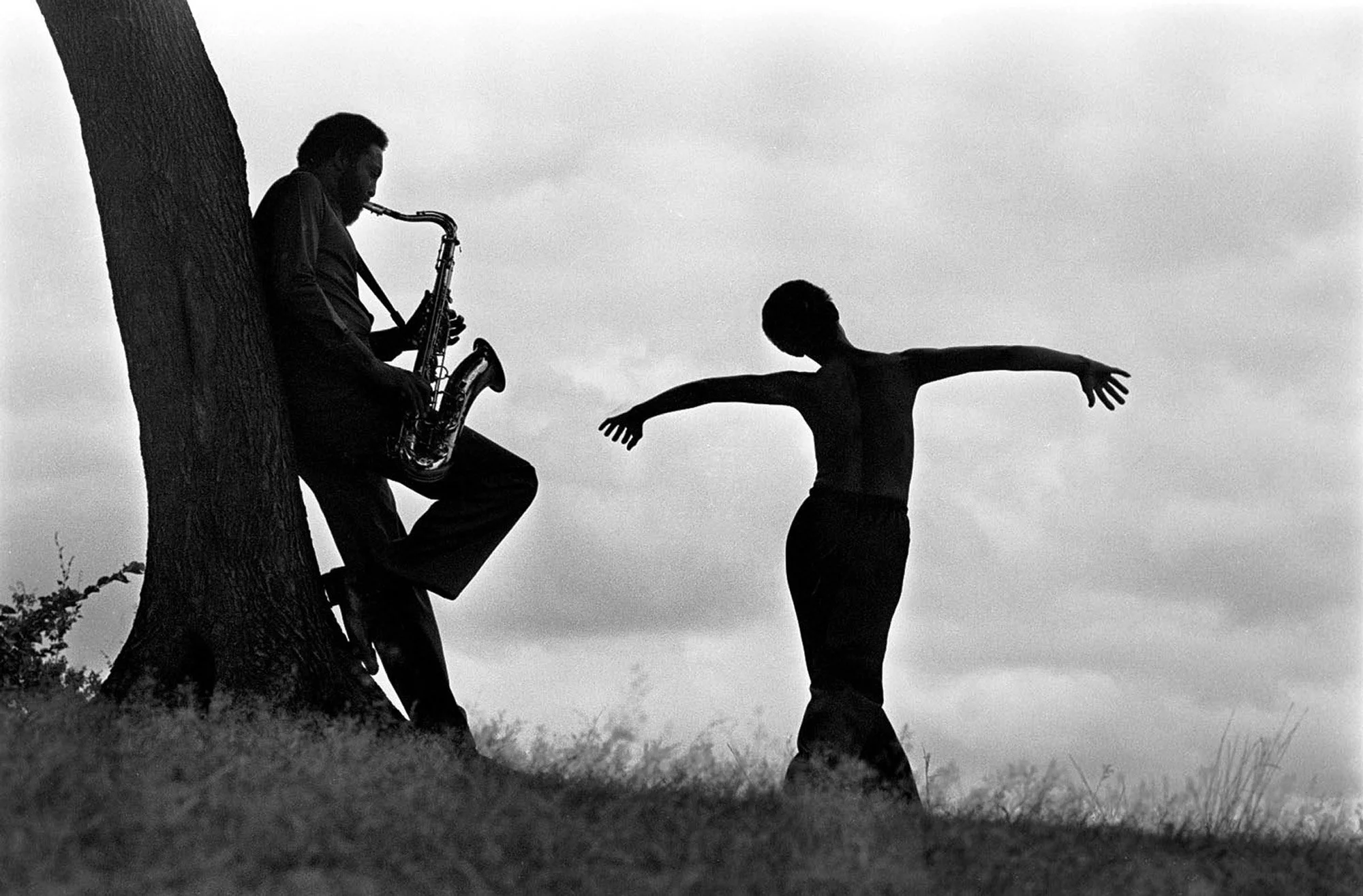
Spirit Dancer. Brooklyn, NY
HM: You talk about “the signature of the spirit.” What does that mean?
CH: We take our egos too seriously. Everything comes and goes. What remains is the spirit, the thing that informs everything.
You can’t see it directly. But you can feel it.
I believe you see the spirit when it turns a corner. Not head-on but in transition, in movement.
That’s what I look for in my photographs.
A picture shouldn’t be tied to time. It should be universal, a moment that exists beyond a specific place or person.
That’s the goal.
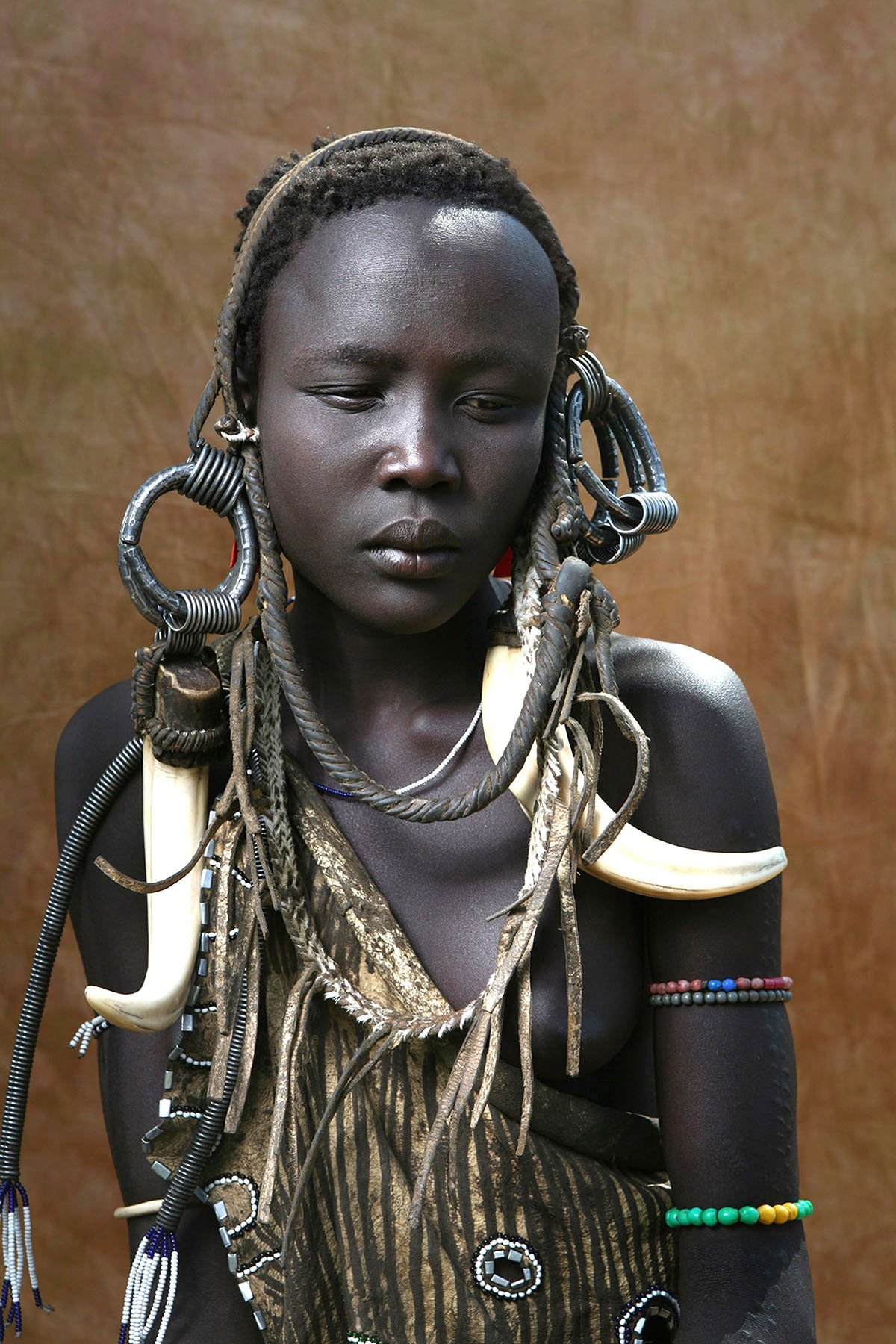
Suri teenager. Ethiopia
HM: You make a distinction between taking and making a photograph.
CH: I don’t take pictures. I make them.
Taking is accidental. Making is intentional.
You have to see the picture forming before it happens. Life is a ceremony, you can anticipate its arc. Then you position yourself, make decisions about composition, light, timing.
I give myself a rule: capture it in five frames. If it takes more, I wasn’t thinking clearly enough.
That pressure sharpens your vision.
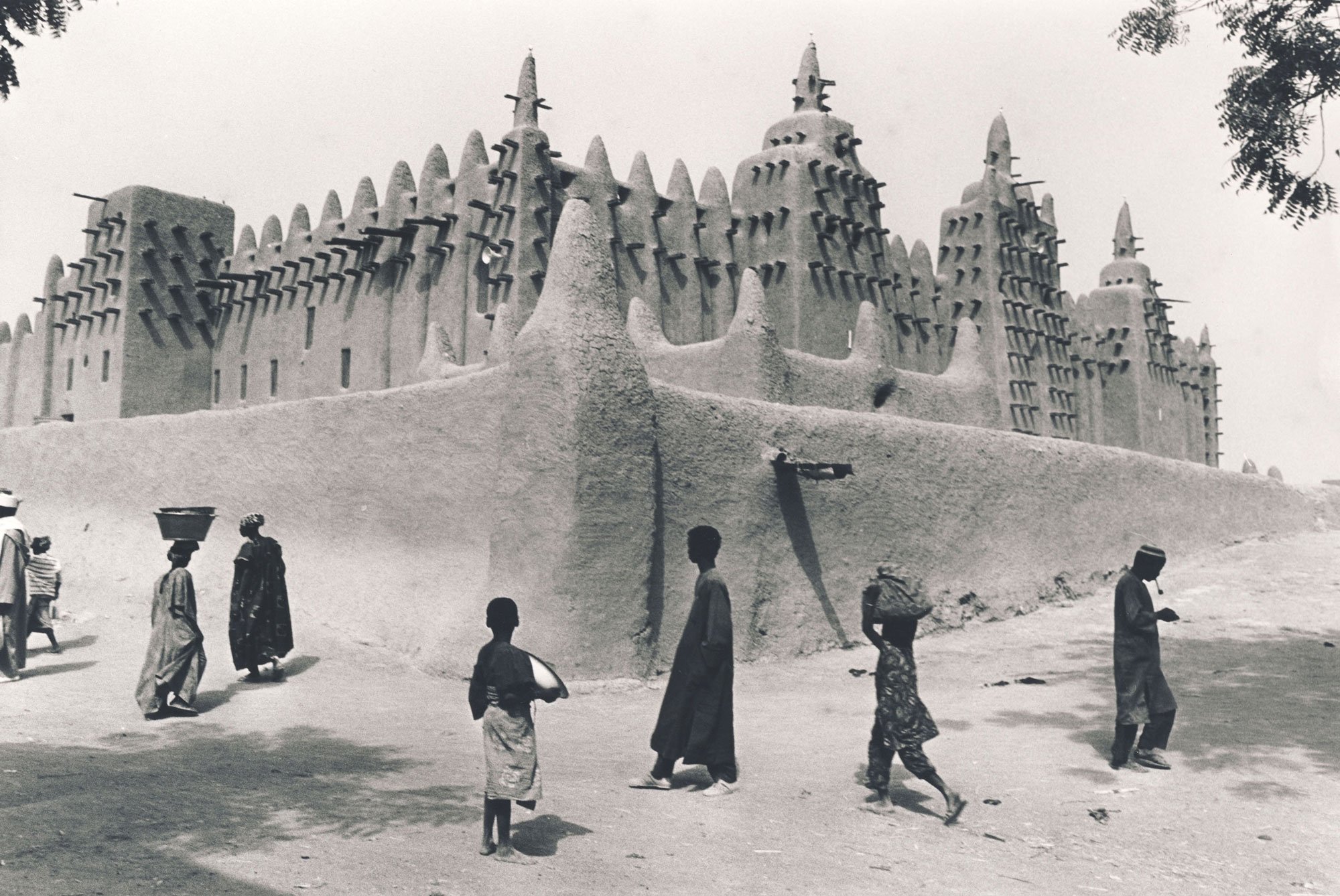
Grand Mosque. Jenne, Mali
HM: Why do some photographers get the image and others don’t, even in the same place?
CH: Because seeing and having a camera are two different things.
The camera doesn’t make the picture. The eye does.
Training the eye, that’s everything.
HM: You’ve said you avoided photographing suffering in a certain way.
CH: I didn’t want to sacrifice people’s dignity for an image.
A lot of photographers project their own class biases onto their subjects. That shows in the picture.
What I learned from my grandmother is this: everyone is doing the best they can with what they have. And everyone is somebody’s child.
So I don’t judge.
That lack of judgement creates trust. And without trust, you don’t get real images.
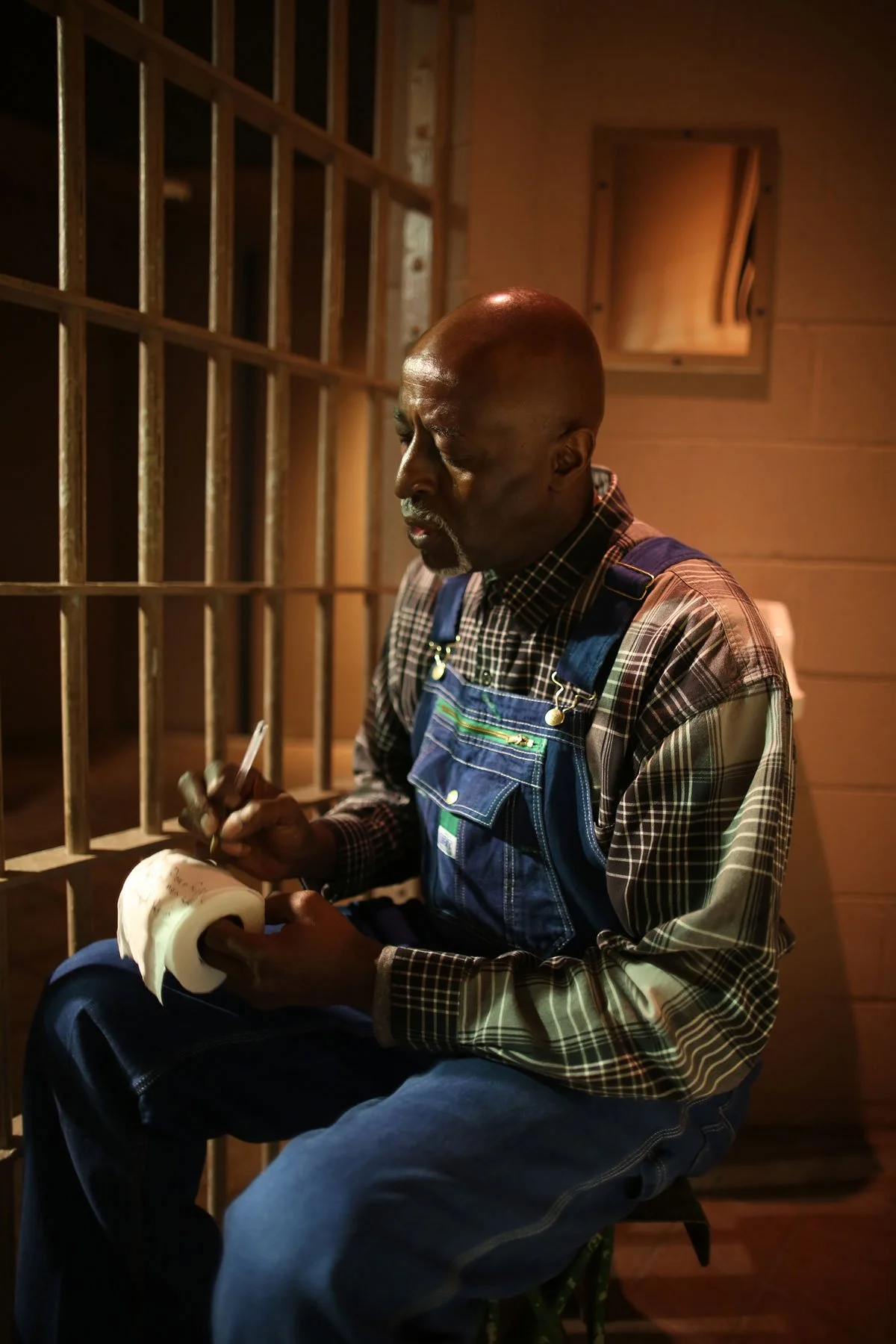
Martin Luther King jailing re-enactment. Birmingham, Alabama
THE CAMERA AS TRANSLATION
HM: What do you think about the camera itself?
CH: It’s a tool of transference.
It records both reality and your interpretation of that reality. That’s why it never lies about the photographer.
You’re always revealing yourself.
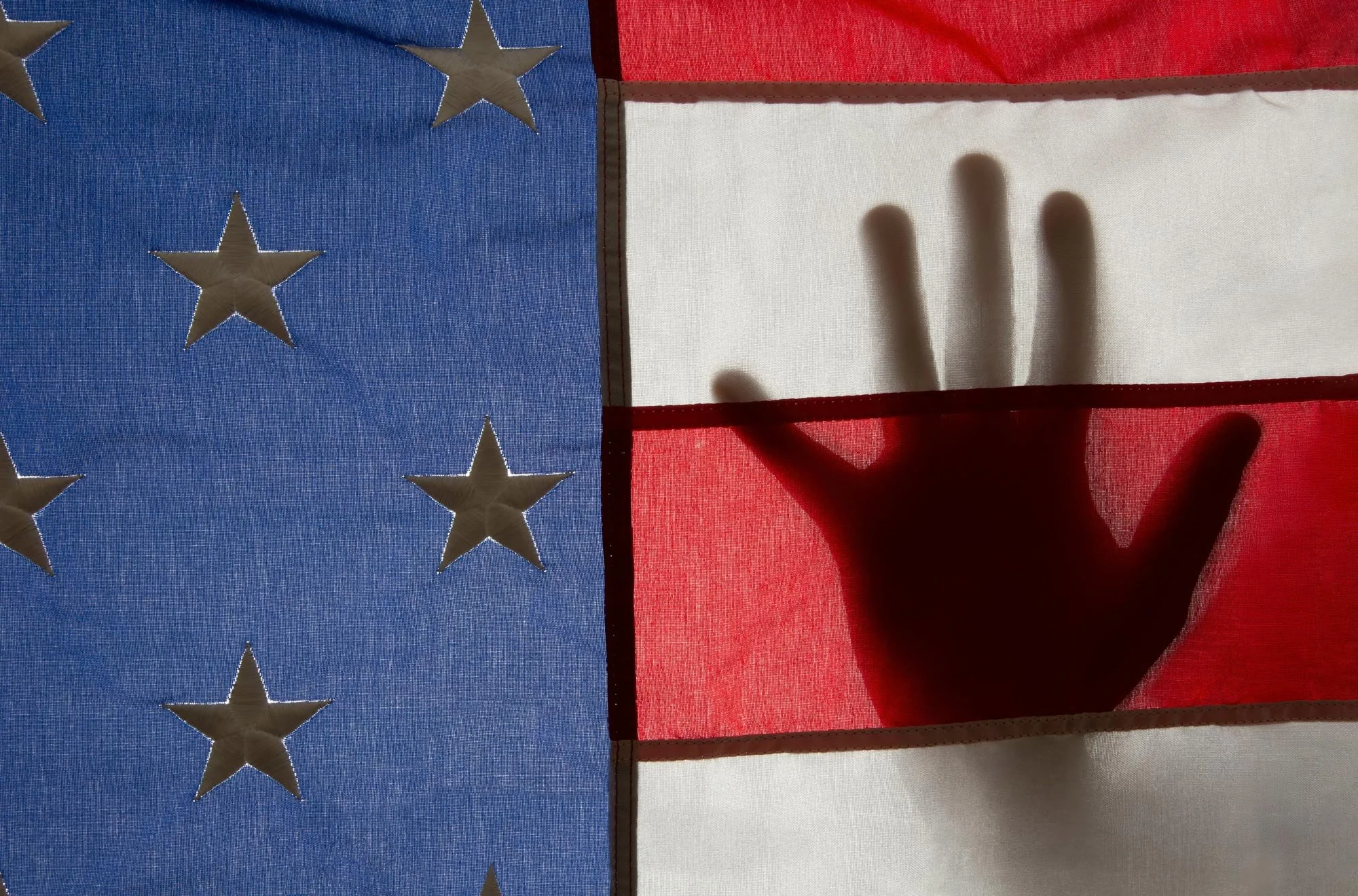
State of Affairs. Brooklyn, NY
HM: What advice would you give young photographers?
CH: Explore your reality.
You’re not just photographers, you’re witnesses. What you choose to witness becomes part of how humanity understands itself.
Read. Learn. Think. Knowledge informs the image.
And focus on the best in us. There are enough people showing the worst.
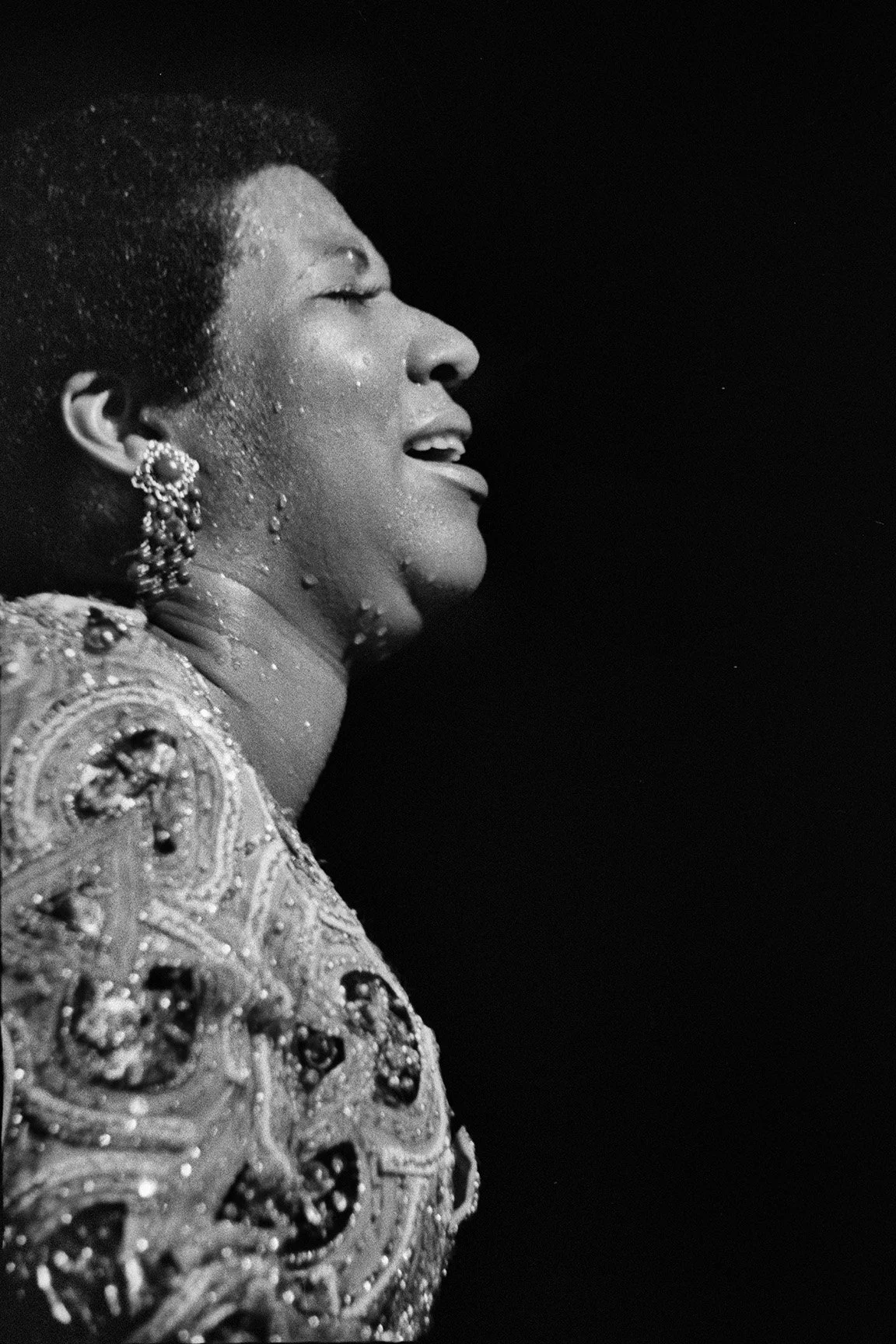
Aretha Franklin. Harlem
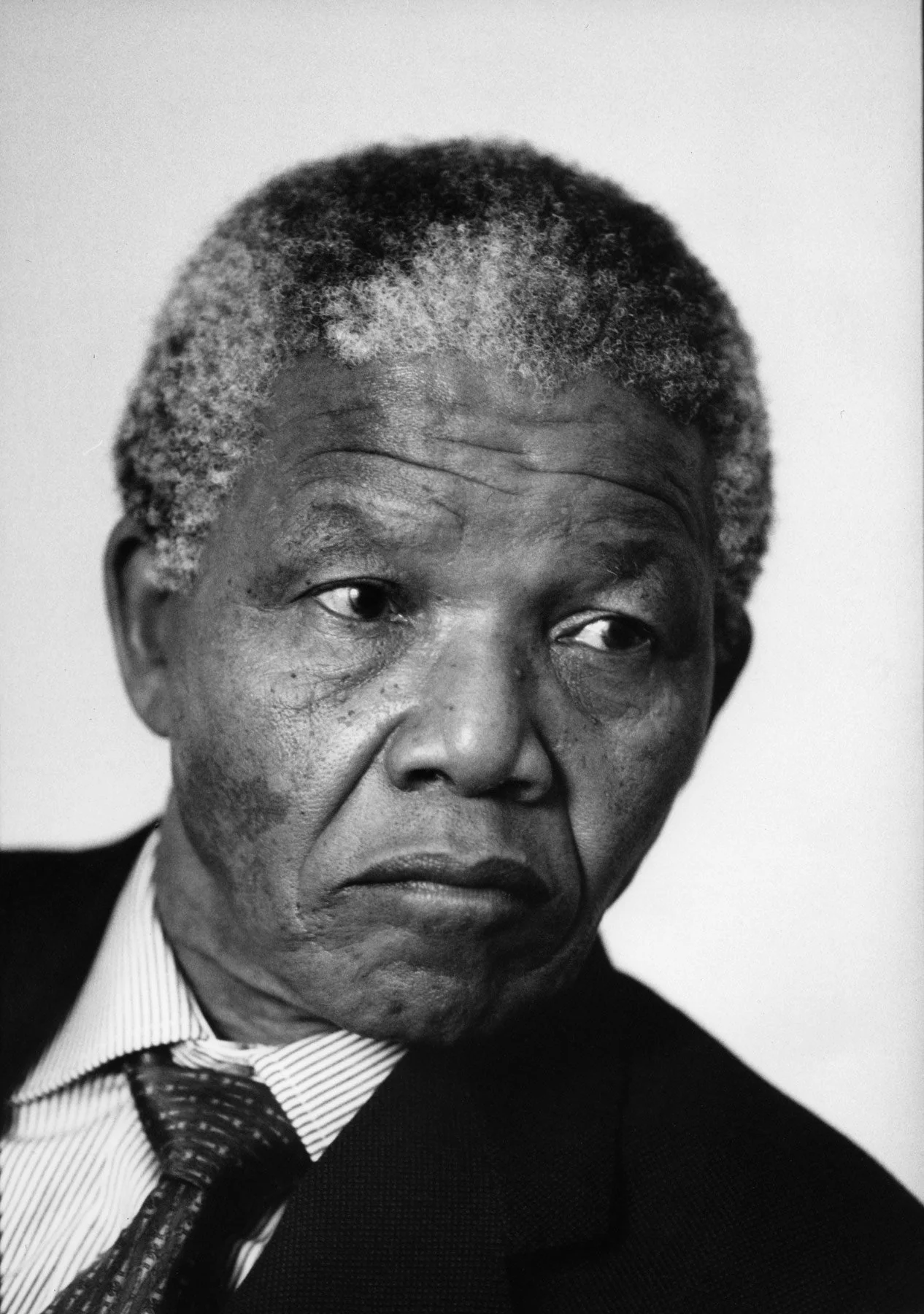
Nelson Mandela. Stockholm, Sweden
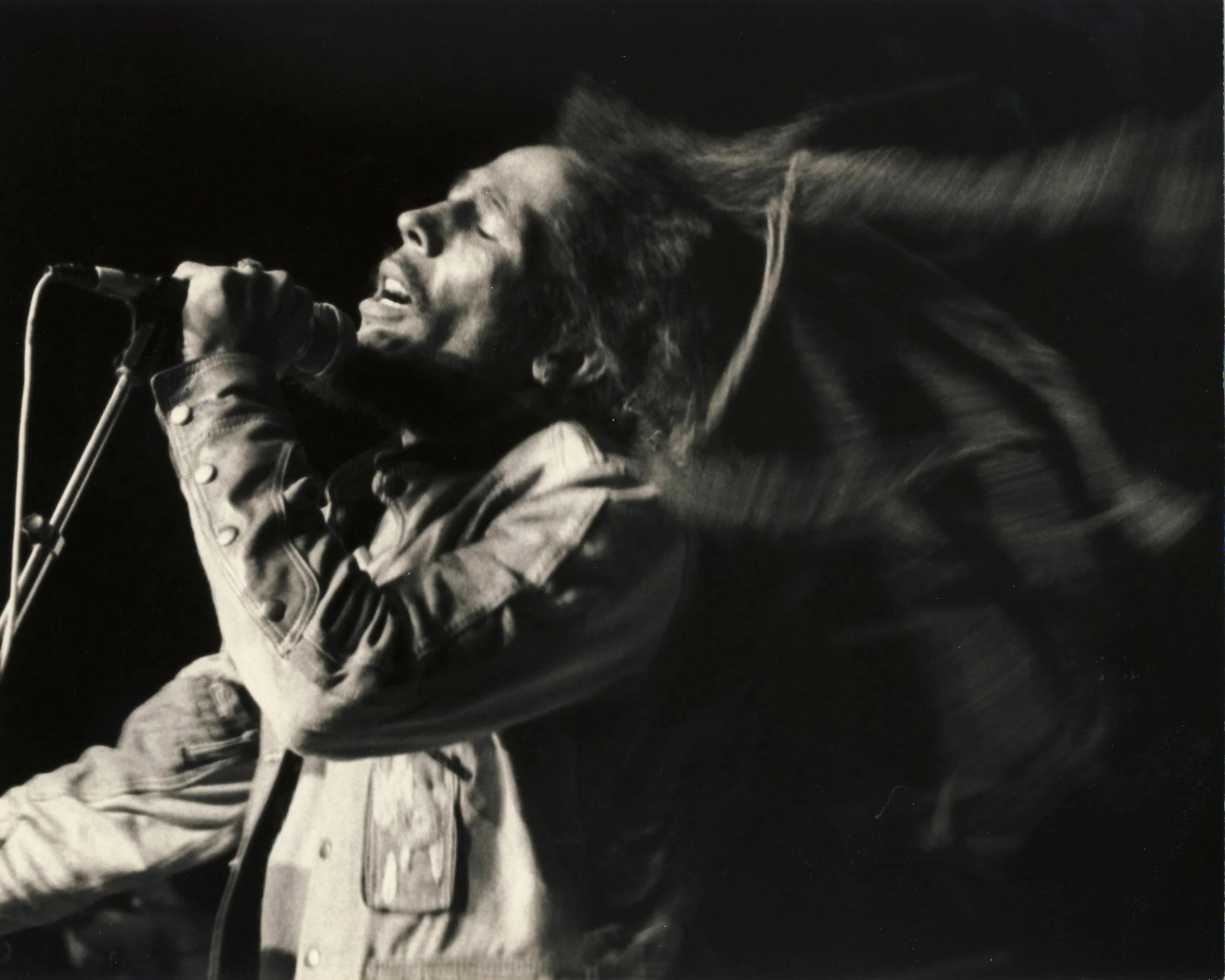
Bob Marley. New York City
HM: You’ve said confidence is ninety percent of life.
CH: Confidence, tenacity, and discipline.
Confidence defines your mission. Tenacity keeps you going. Discipline prepares you for rejection.
It’s not personal. It’s universal.
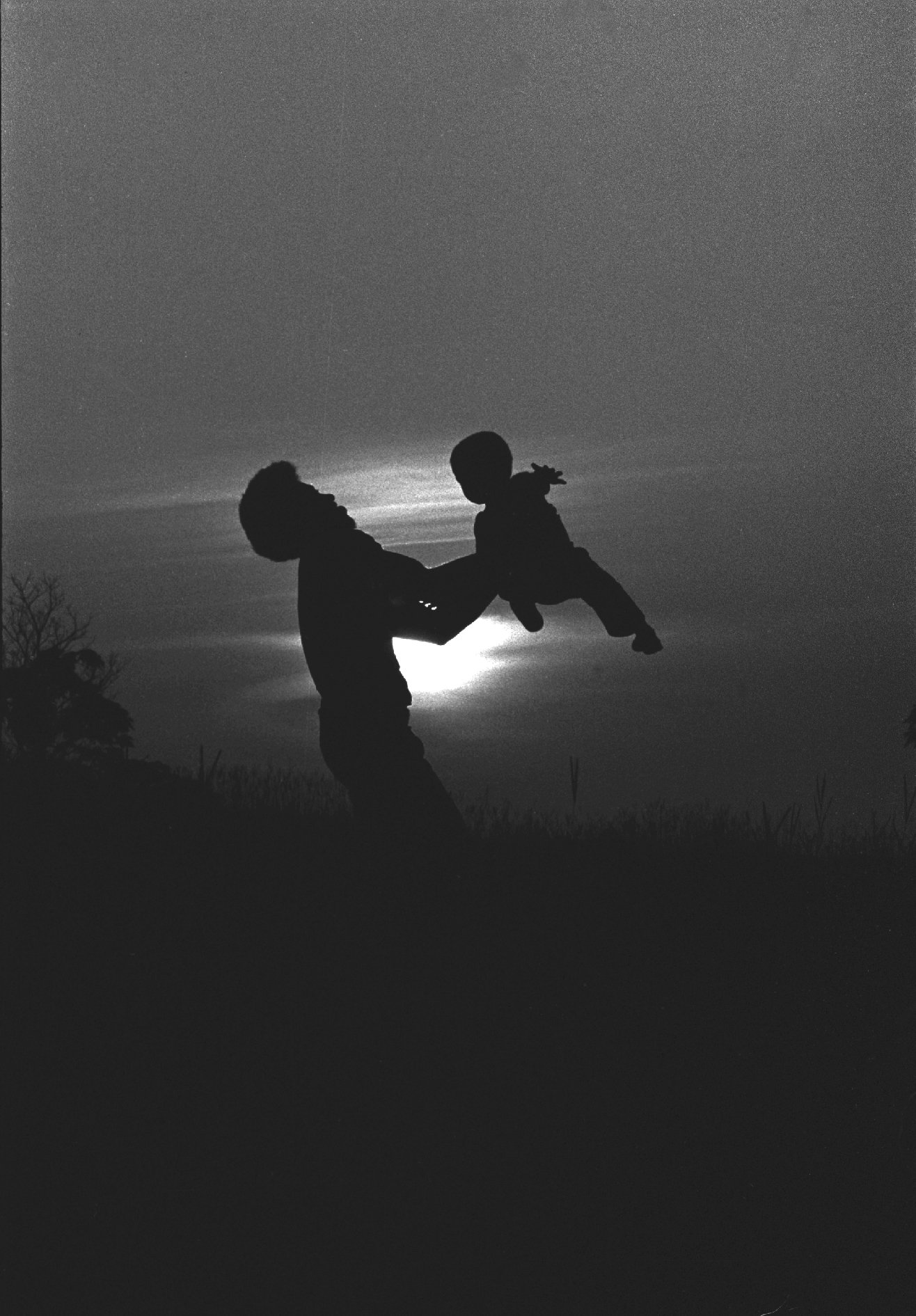
Father swinging son at sunset. Tuskegee, Alabama
HM: Final thought?
CH: Stay out of wars.
All images © Chester Higgins unless stated otherwise