
Michael Foley on Photography in an Age of Change
Michael Foley opened his gallery in the fall of 2004 after 14 years working with notable photography galleries, including Fraenkel Gallery, Howard Greenberg Gallery, and Yancey Richardson Gallery.
In 2002, Foley continued his interest in educating and working with artists by serving on the faculty of the School of Visual Arts and the International Center of Photography. He teaches and lectures on contemporary photography issues at the undergraduate and graduate levels.
In 2023, he closed his gallery to open the new Leica Gallery New York, where he is the director.
He occasionally writes a column on Substack called The Photographers Report.
Foley lives and works in Manhattan with his wife, Maya, and son, Jack.
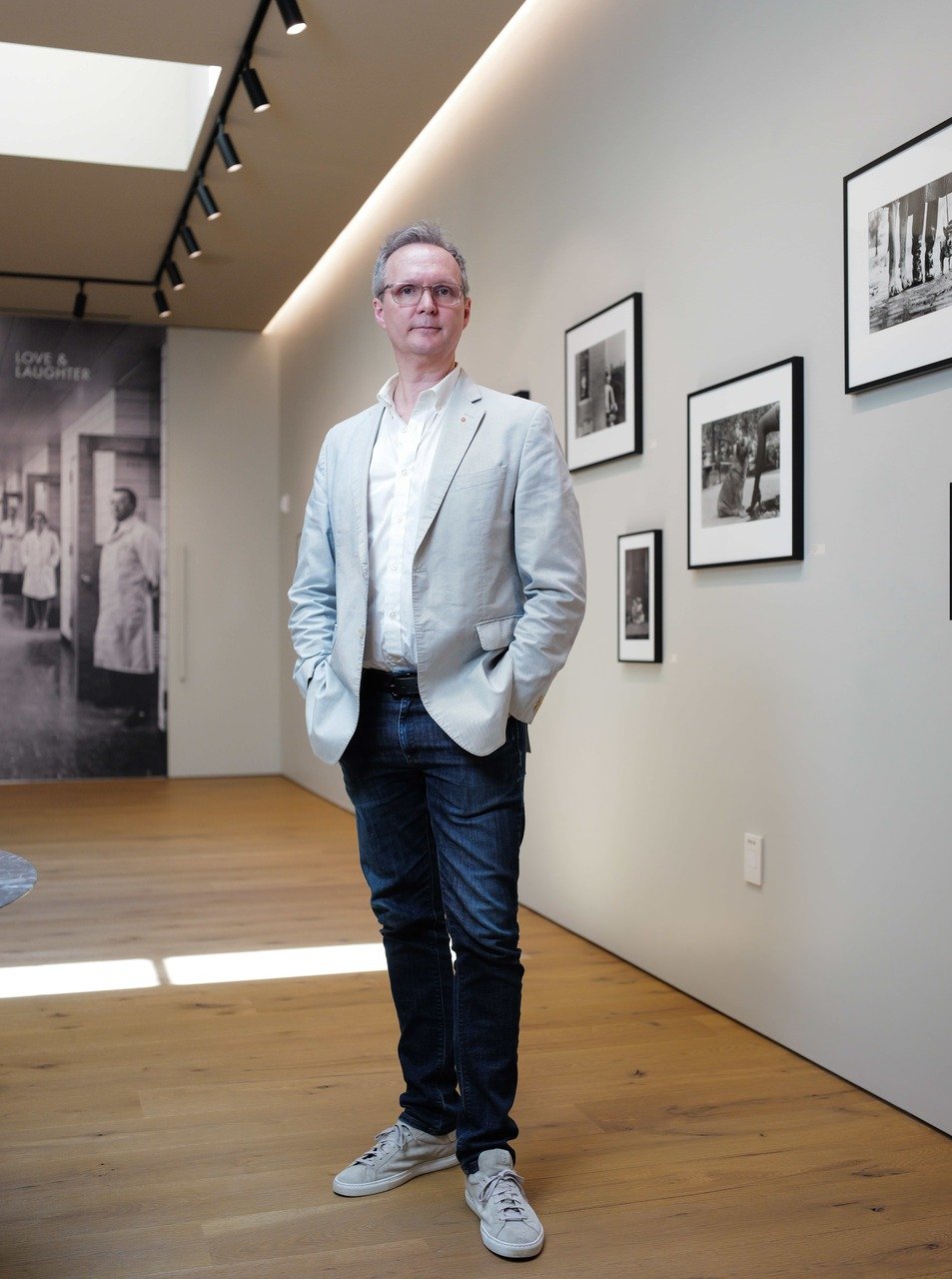
© Tamanna Islam
HM: Michael, how did photography enter your life?
MF: I grew up in Croton-on-Hudson, a small town in upstate New York. Photography came into my life almost by accident. In my senior year of high school, a friend was working on the yearbook. We had a very small graduating class, about 100 students, so there weren’t many people volunteering to photograph. I happened to own a 35mm camera and thought, why not give it a try?
I started photographing my friends, and by the end of the year, a surprising number of my images were published in the yearbook. Seeing my work in print for the first time, it was a revelation. That feeling stayed with me.
Still, I didn’t initially see photography as a career.
I went to Boston College and majored in psychology. I was interested in people, their behavior, their motivations. Photography remained something I explored on the side.
By my senior year, I had also been taking photography classes, but there wasn’t a formal program. I was accepted into a graduate program in drama therapy in San Francisco, which combined psychology and theater, another interest of mine. But before starting, I deferred for a year and began taking art classes at San Francisco State.
That year changed everything. I realized I didn’t want to be a therapist, I wanted to be an artist.
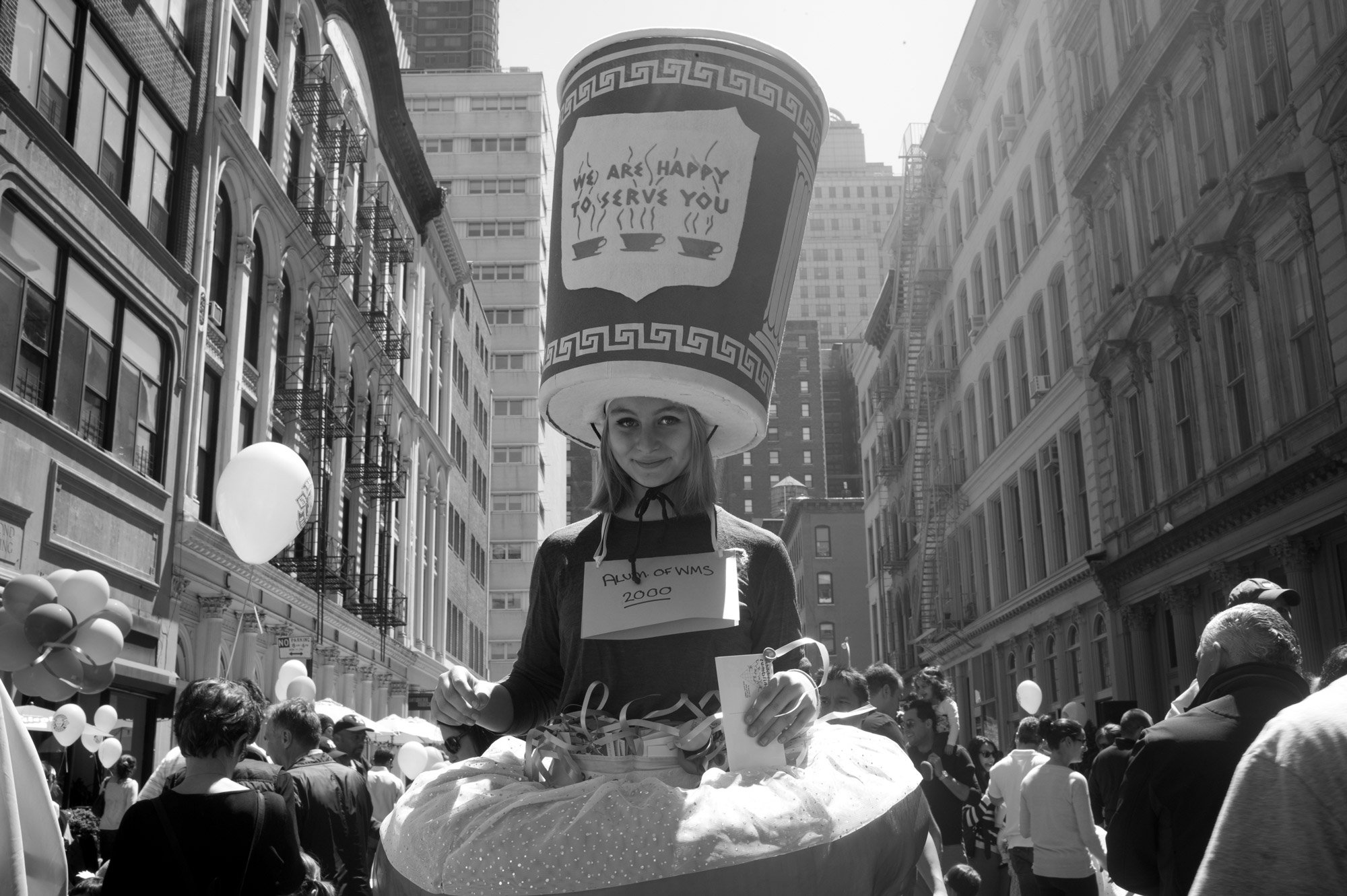
Donna Ferrato
HM: At what point did you move from wanting to be an artist to actually entering the art world?
MF: That realization immediately raised a practical question: how do I make a living?
At the time in the late 1980s San Francisco was a very different place. It was still a forgiving city for young people trying to figure things out. I worked a series of odd jobs: cleaning houses, doing security, working in a café.
And that café turned out to be the turning point.
It was located near Union Square, surrounded by galleries. One of them was the Fraenkel Gallery, though I didn’t yet understand its importance. I would visit the gallery regularly, just to look. At the same time, people from the gallery would come into the café where I worked. Over time, there was a kind of informal familiarity.
Then one day, the gallery director came in and said:
“Michael, I don’t know if you’d be interested, but we have an opening at the gallery.”
It was a simple moment but it changed everything for me.
The position was as a preparator, the person who handles the physical side of exhibitions: unpacking, framing, installing. It wasn’t glamorous, but it was exactly what I needed.
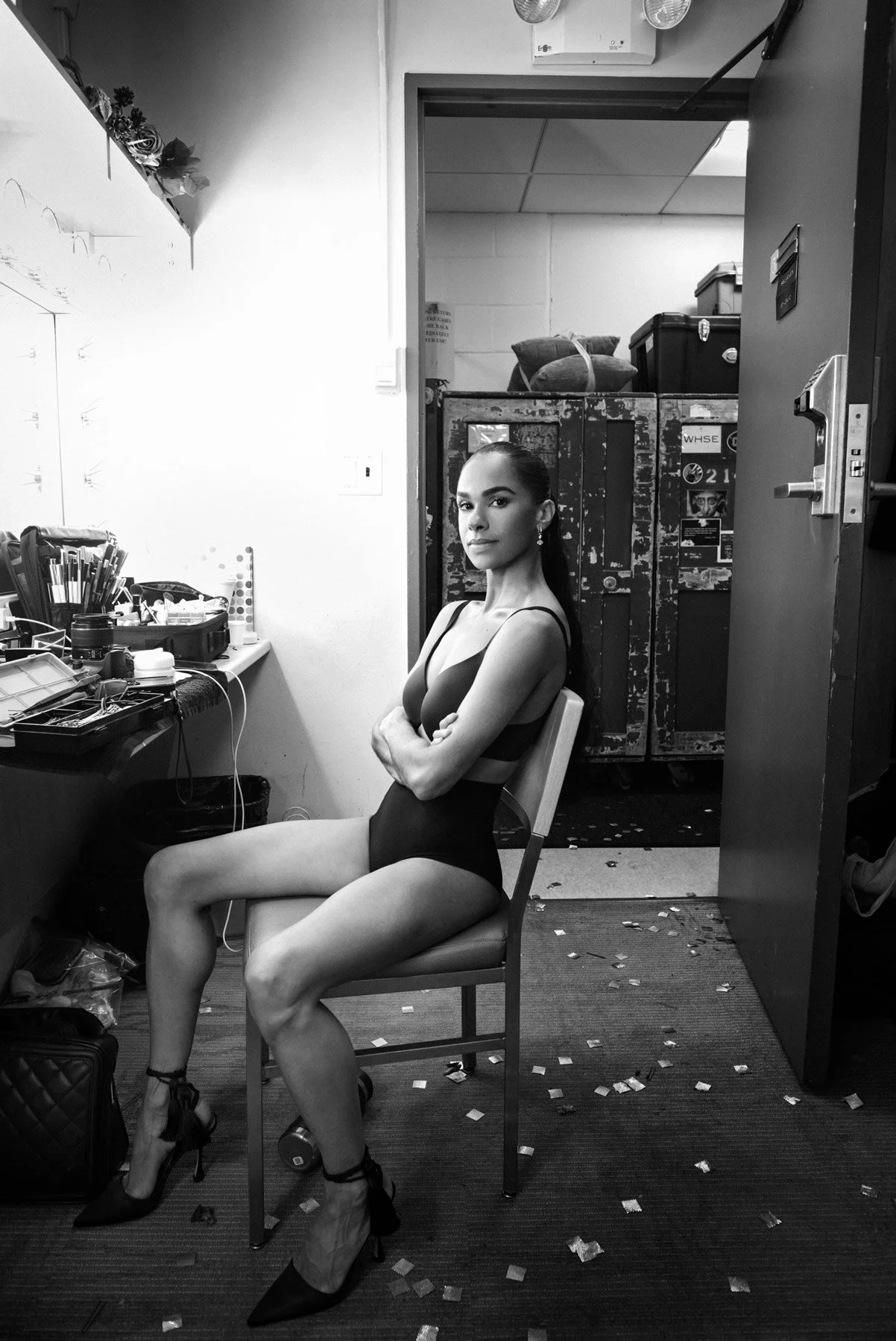
Henry Leutwyler
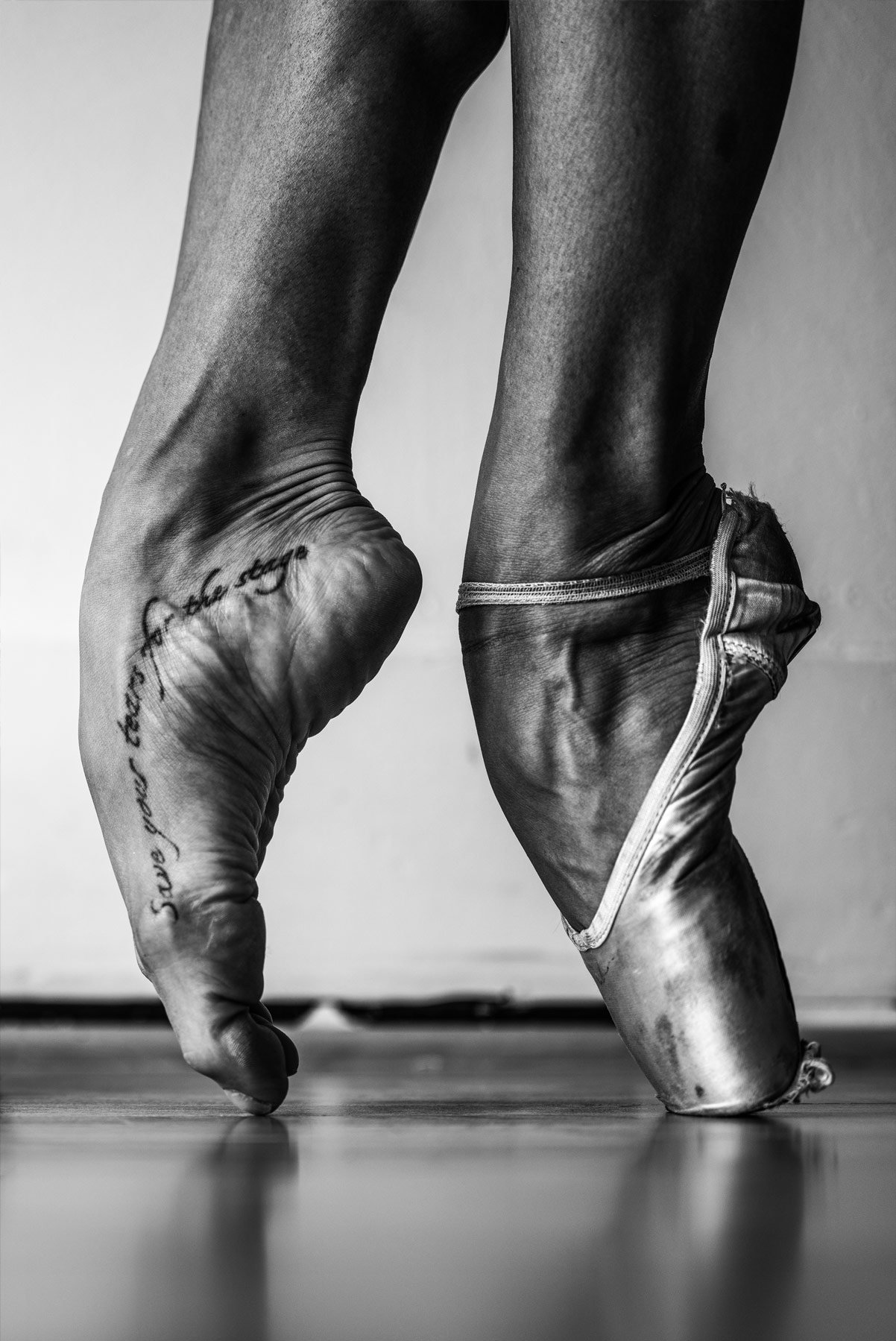
Kylie Shea
HM: What did you learn from this experience?
MF: It was like a graduate degree in photography.
Not just technically but intellectually and visually. I learned how to talk about photographs, how to sequence them, how to build an exhibition, and how to create rhythm in a space.
And I was surrounded by incredible artists. People like Hiroshi Sugimoto, Larry Clark, Lee Friedlender, Gary Winograd. I was often the first person to see the work when it arrived. That’s a powerful thing. These artists became real to me, not just names in books.
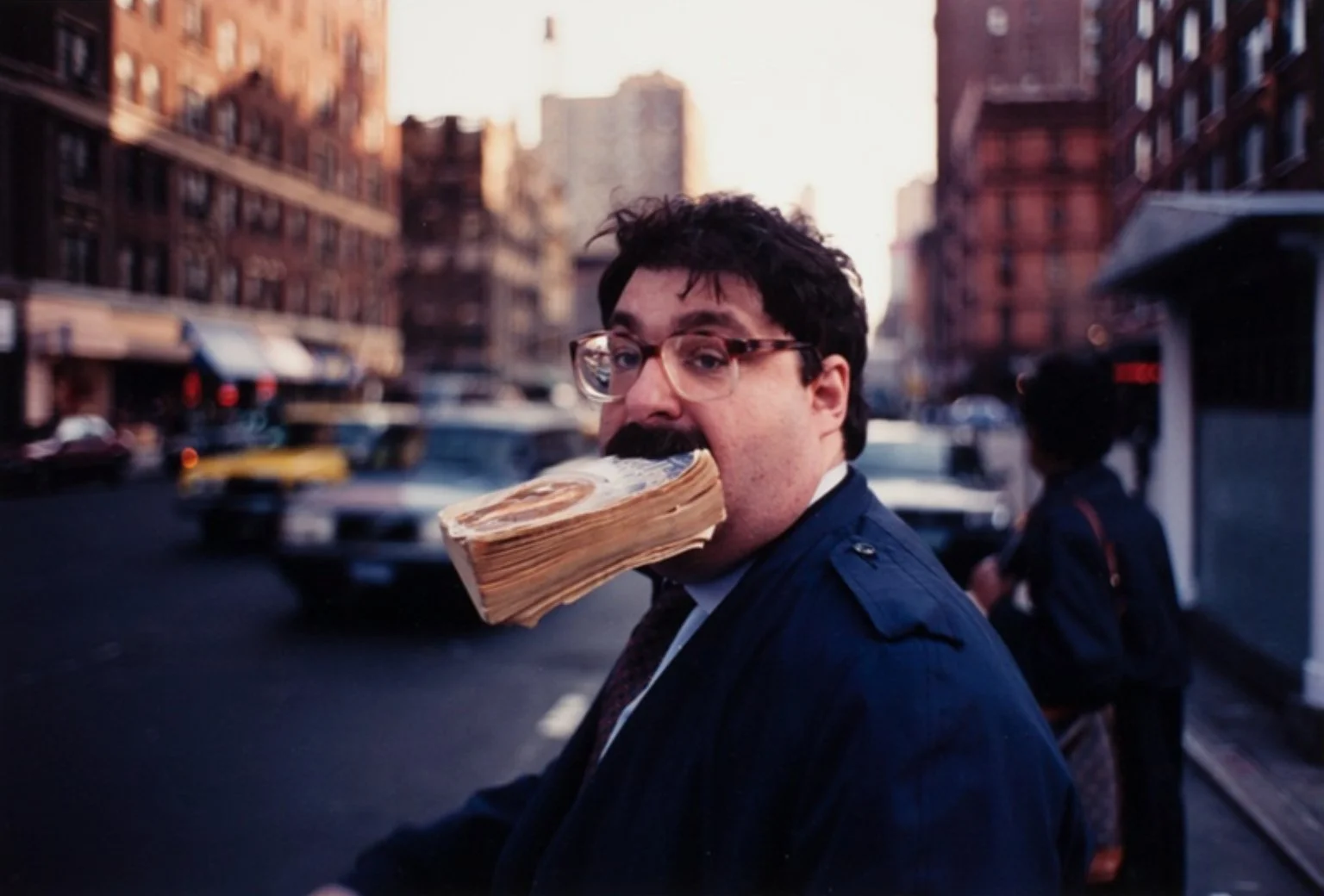
Jeff Mermelstein
HM: You’ve seen the gallery world from many angles: West Coast, East Coast, and your own space. What, in your experience, makes a gallery truly successful?
MF: I’d break it into three areas.
First: The Business.
Running a gallery is incredibly complex. People don’t realize that. You’re selling something that most people don’t NEED. So you’re constantly navigating economic cycles like 2008 & COVID where sales can disappear overnight. You learn resilience, strategy, and how to make calculated risks.
Second: How to See.
This is the most important for me personally. How to read a photograph, how to create relationships between images, how to activate a space. Photography can be static frames on a wall. The challenge is making the experience dynamic.
Third: Empathy for Artists.
Because I was an artist myself, I understand what it feels like on the other side of the “velvet rope.” The vulnerability, the ego, the sensitivity. Many gallerists don’t have that firsthand experience. I often feel like I’m mediating between the artist and the gallery because I’ve been both.
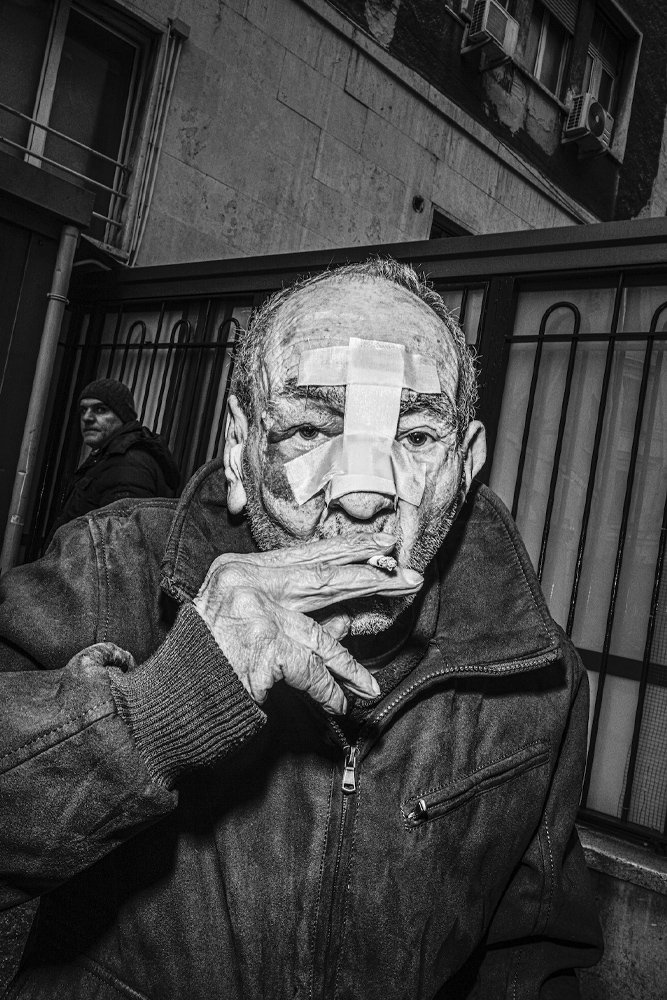
Bruce Gilden
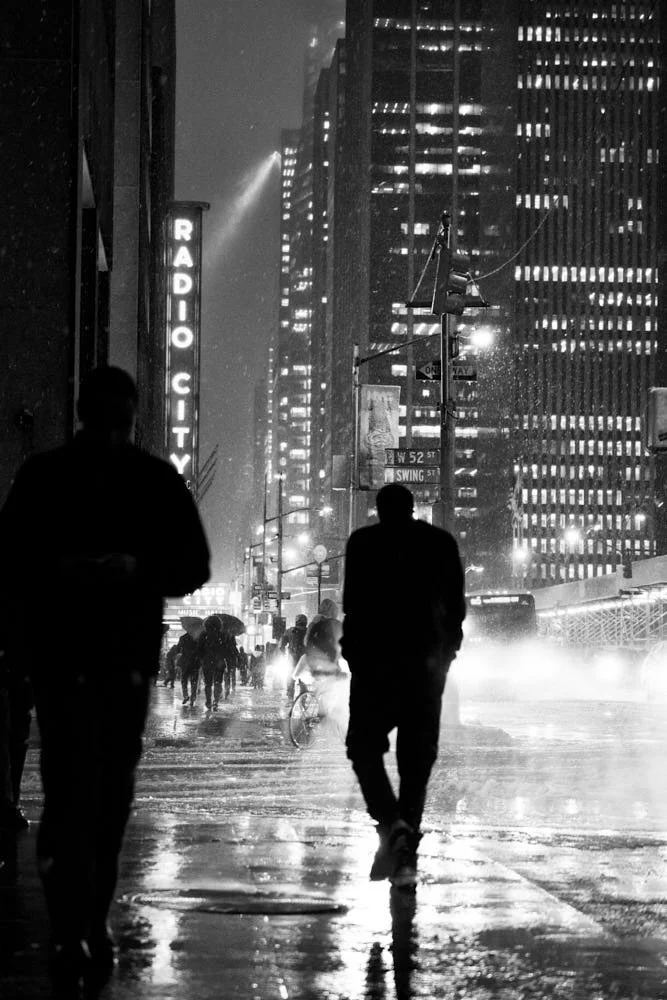
Phil Penman
HM: Every photographer dreams of exhibitions and books. What advice would you give especially to younger artists?
MF: It starts with the work.
You have to develop a vision, an approach that is truly yours. Not just stylistically, but in how you see the world.
Someone once told me something I’ve never forgotten:
“I look for work that only that artist could make.”
That’s the goal.
And to get there you have to go deep. You have to stay with a subject long enough to understand it fully.
Also, don’t wait. Don’t wait for a gallery or a publisher. Make your own book. Put up your own show. There are more ways than ever to get your work out there.
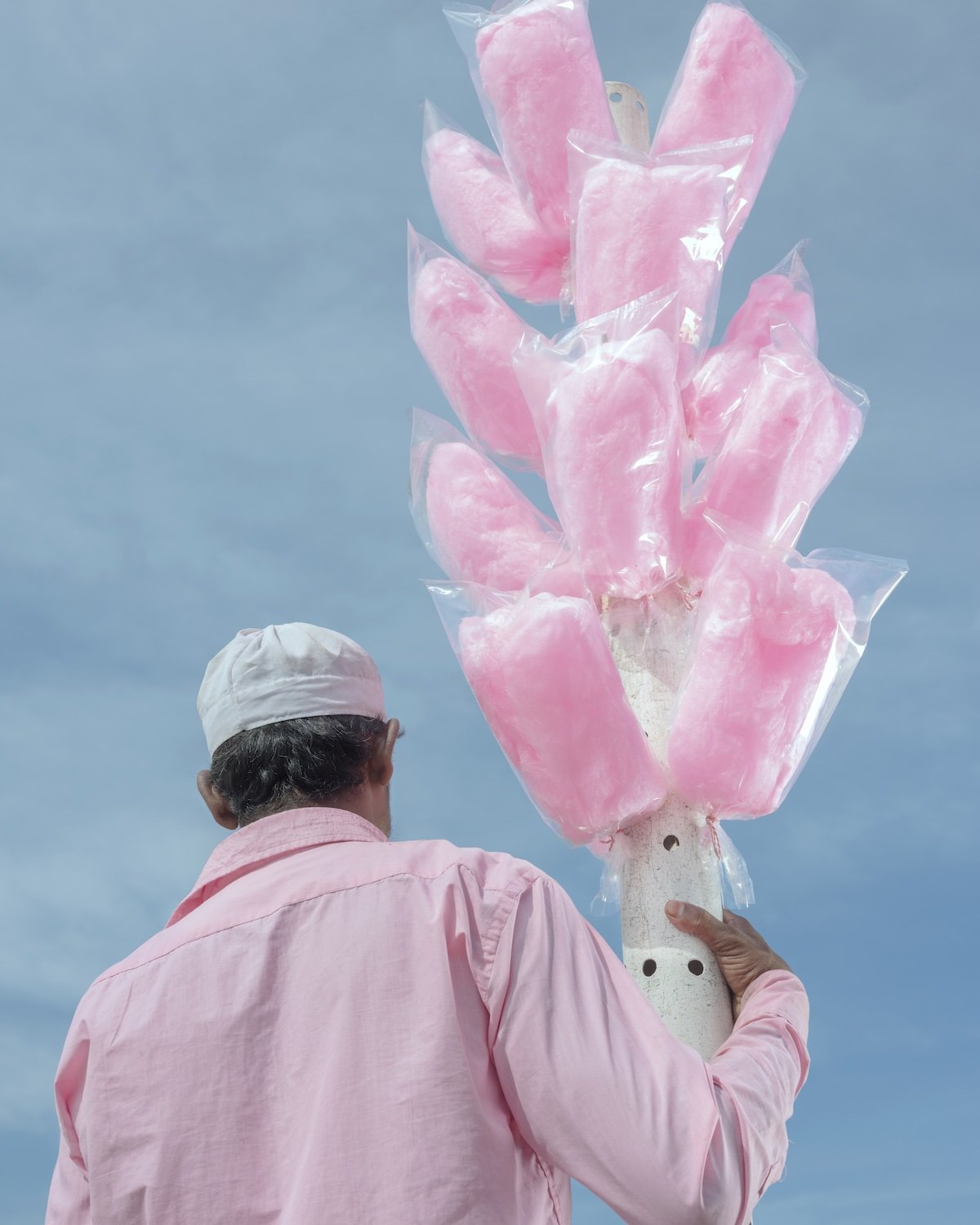
Ismail Ferdous
HM: You’ve done countless portfolio reviews. What separates strong artists from the rest?
MF: A few key things.
First: Clarity of Intent.
You should be able to answer three questions:
What are you doing?
Why are you doing it?
How are you doing it differently?
Second: Cohesion.
A strong portfolio isn’t 20 random images, it's a body of work that holds together.
Third: Openness.
A portfolio review is not about getting a show, it's about getting feedback. If you walk in only wanting validation, you’re missing the opportunity.
And finally: Context.
Know your influences. Know where your work sits in the broader conversation.
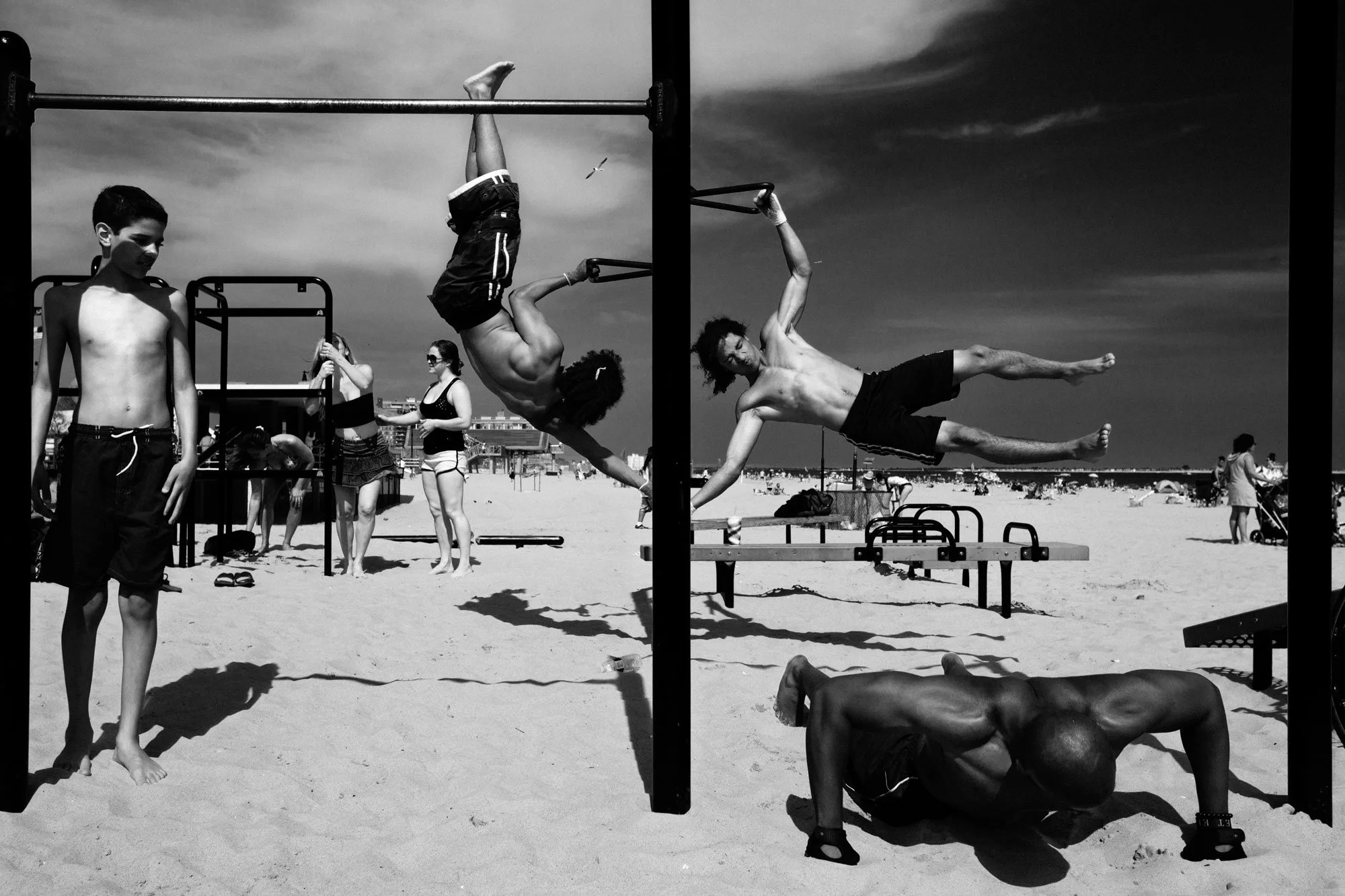
Lauren Welles
HM: In portfolio reviews, I’ve often seen photographers using the medium almost as therapy working through deeply personal experiences.
MF: Absolutely. That’s very real.
Photography can be a way of processing things that are difficult to articulate in words. Some of the most powerful work comes from that place. But the challenge is translating that personal experience into something that resonates with others.
That’s where craft and distance come in.
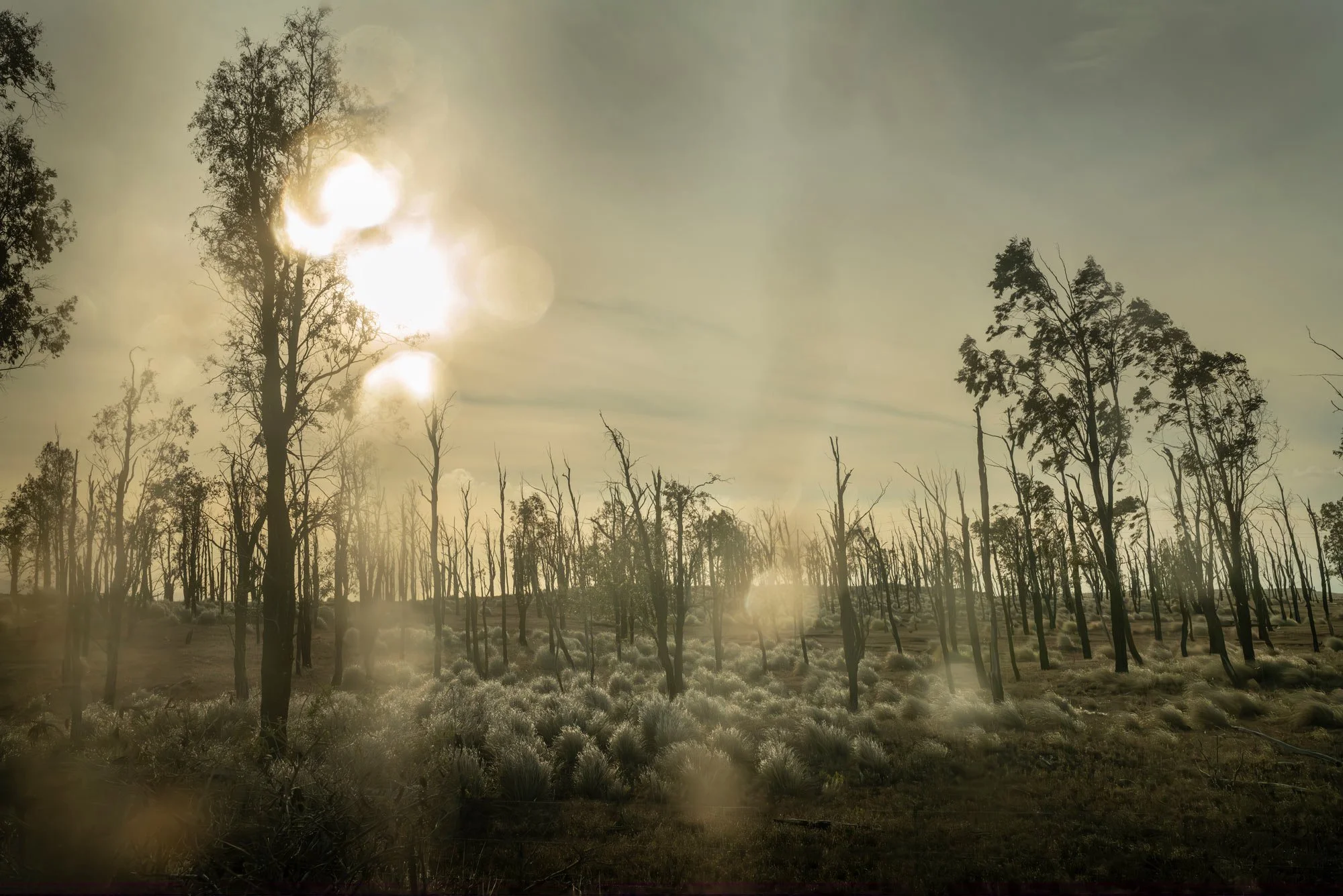
Todd Hido
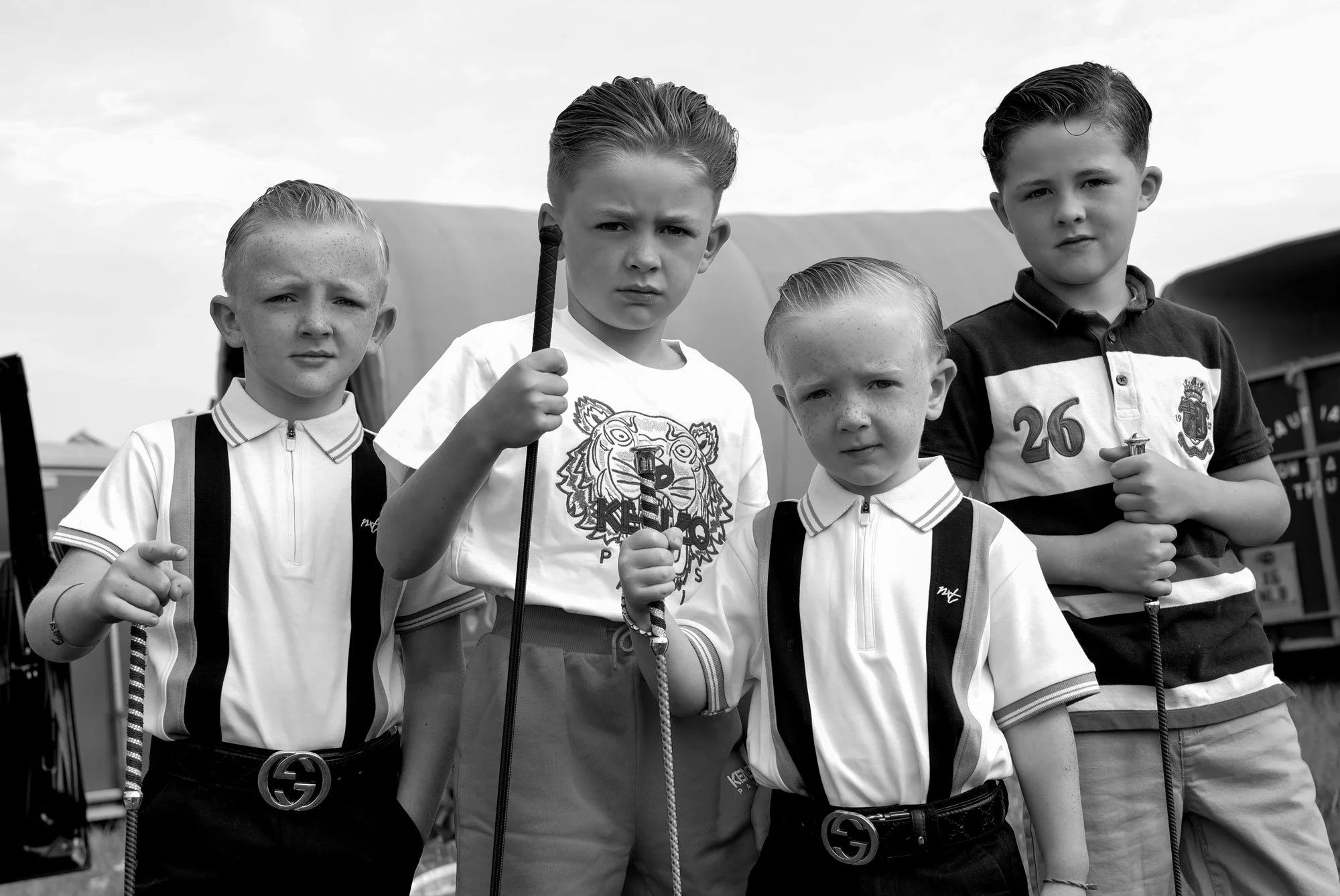
Jamie Johnson
HM: Your gallery attracts a wide range of people, from tourists to professionals. How do you engage such a diverse audience?
MF: The common thread is emotional response.
A great photograph doesn’t require technical knowledge. It communicates directly. Whether someone is deeply experienced or just curious, they can feel something.
That’s what we focus on, creating an experience where the work speaks.
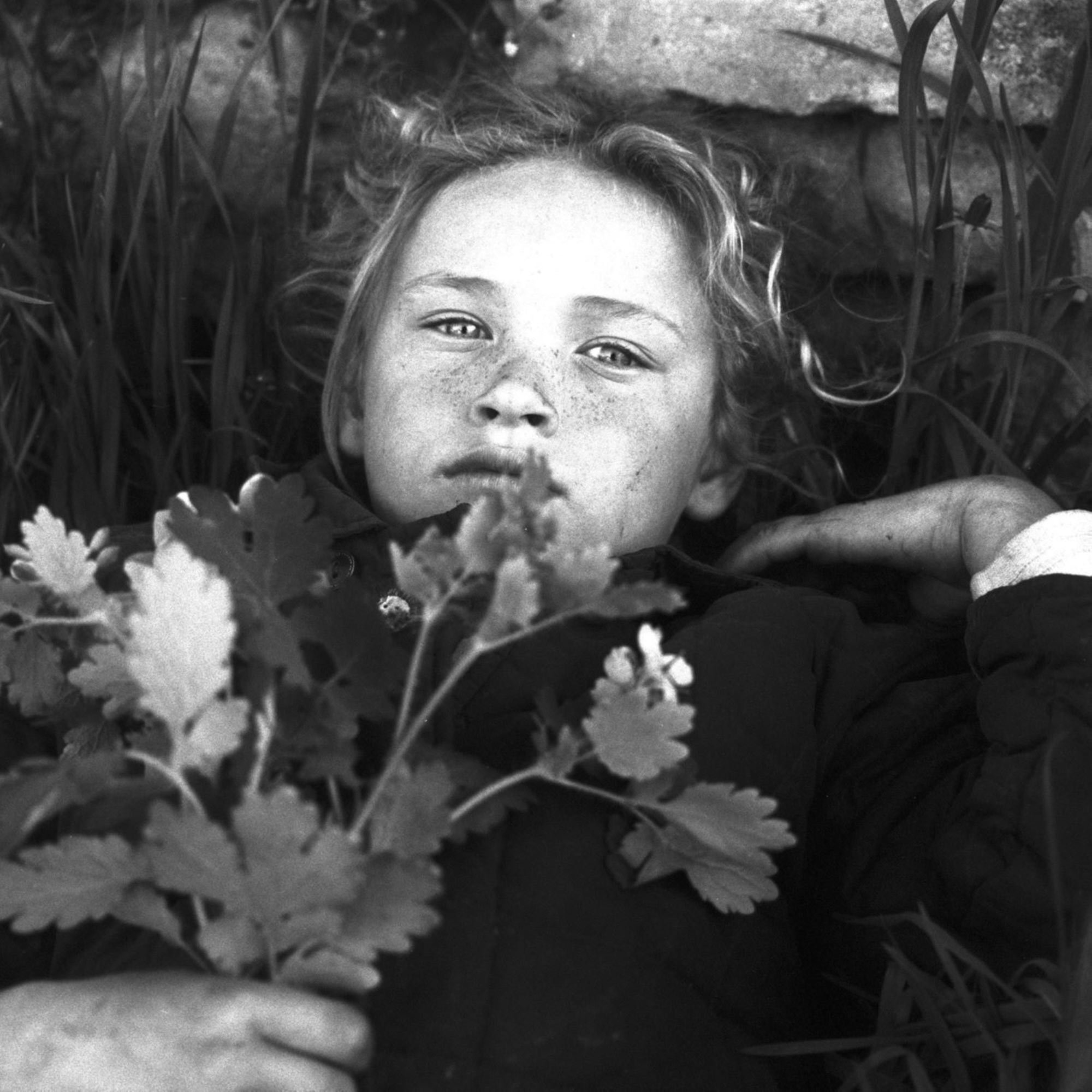
Maria Guțu
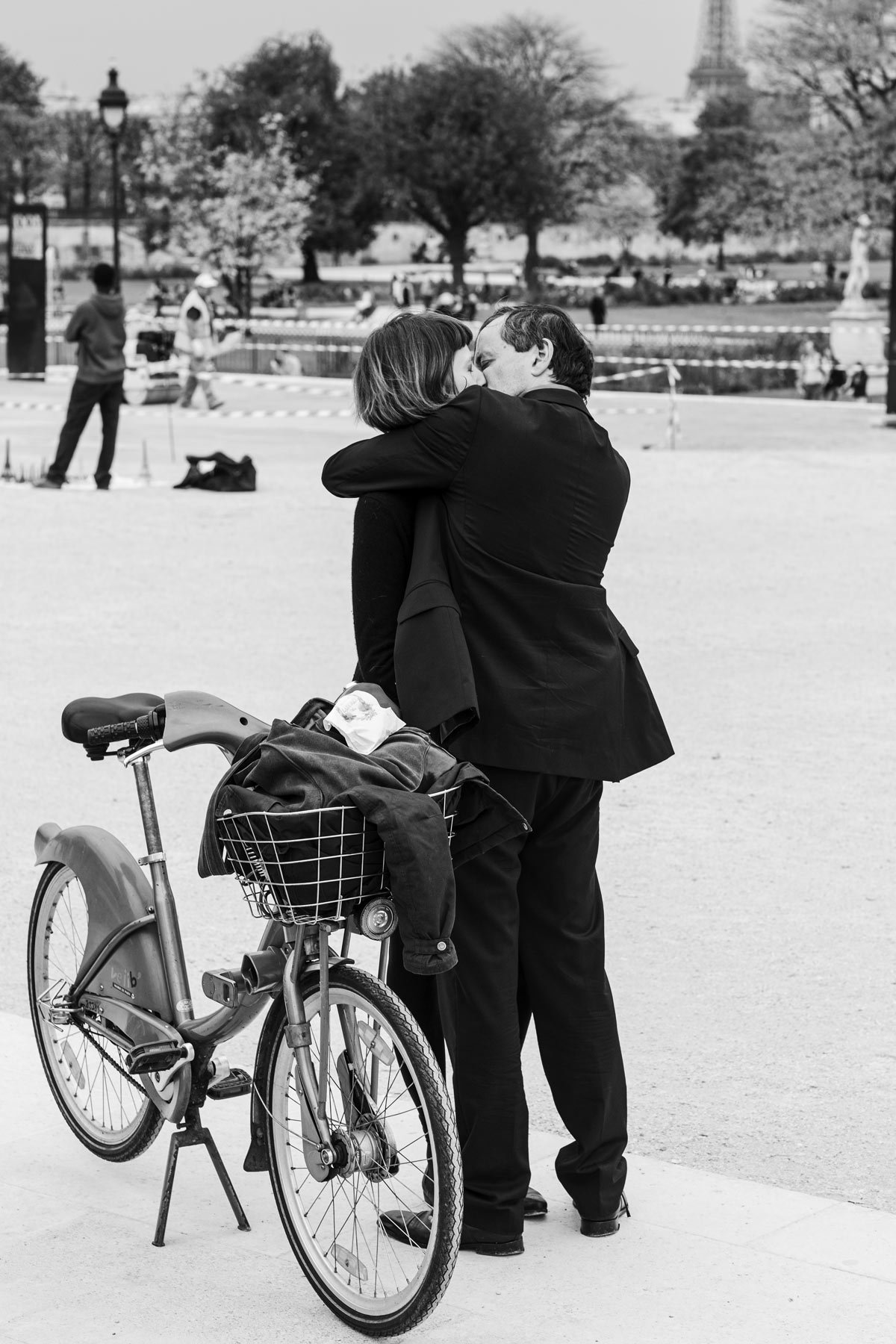
Mathieu Bitton
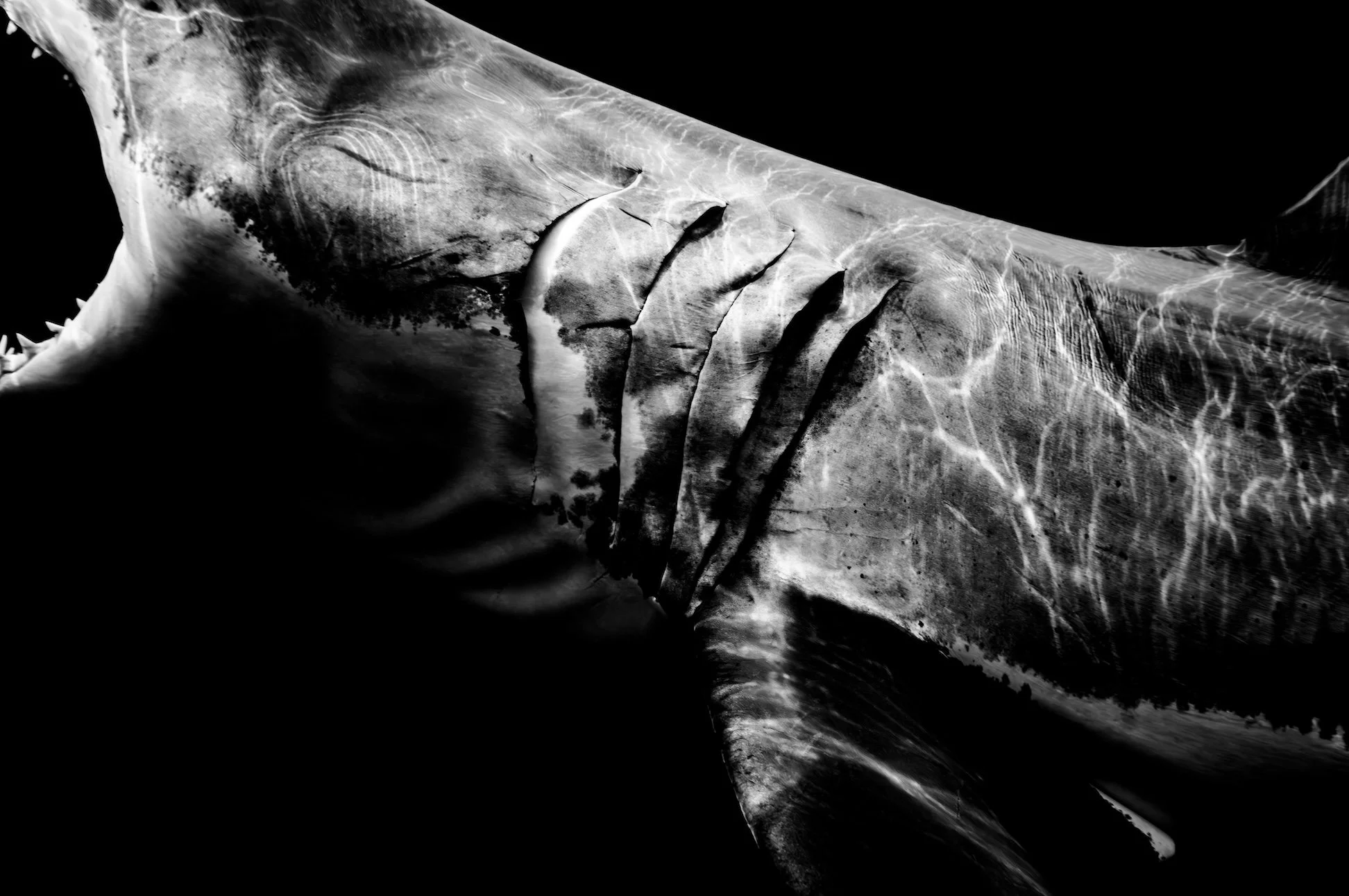
Matt Draper
HM: How should someone begin collecting photography?
MF: Start by buying what you love.
Over time, patterns will emerge. You’ll start to see themes in your collection of subjects, styles, and emotional tones.
Start small: go to student shows, benefit auctions, emerging artists.
And look a lot. Before buying, imagine what you would buy. Build a “mental collection.”
Also, work with a gallerist who guides you beyond their own inventory. That’s key.
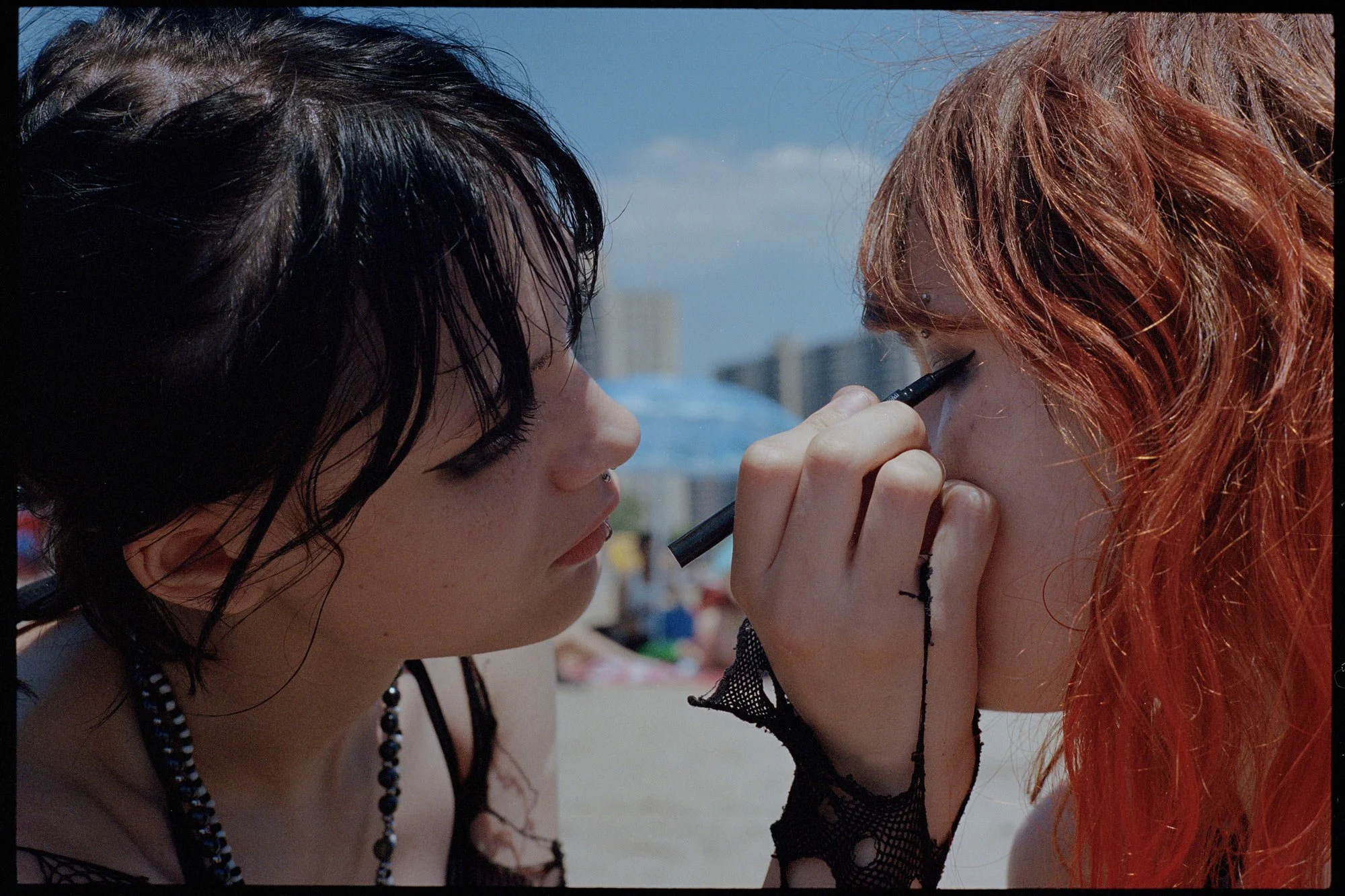
Sara Messinger
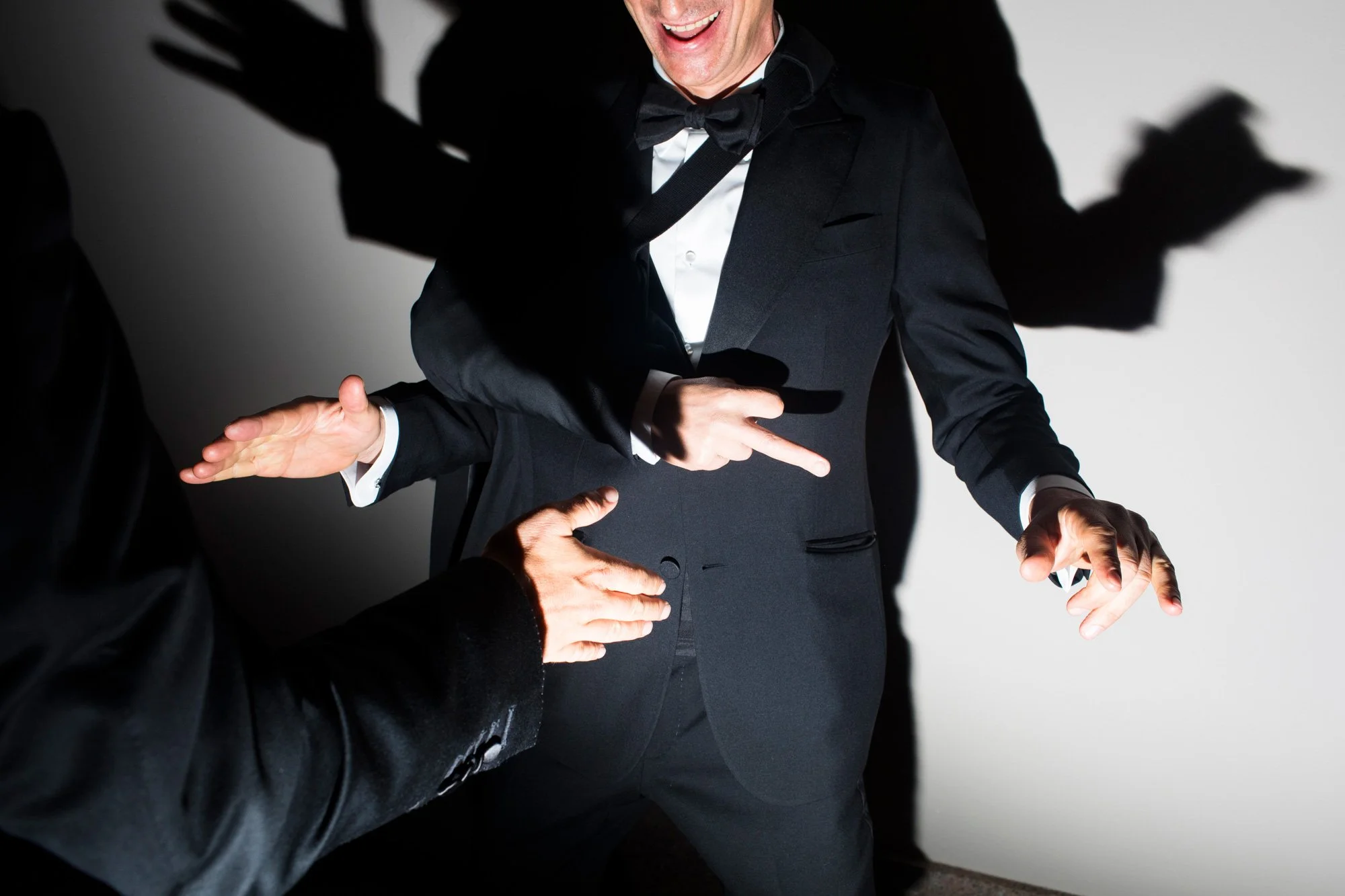
Landon Nordeman
HM: Where do you think photography is heading?
MF: It’s a challenging moment.
The gallery system is shrinking. Fewer new dealers are entering the field. The commercial side editorial, advertising is also contracting.
Technology, AI, accessibility all of this is reshaping the profession.
But at the same time, the passion for photography hasn’t disappeared. If anything, it’s more widespread.
So I think the future belongs to hybrid people who adapt, diversify, and remain deeply committed to the medium.
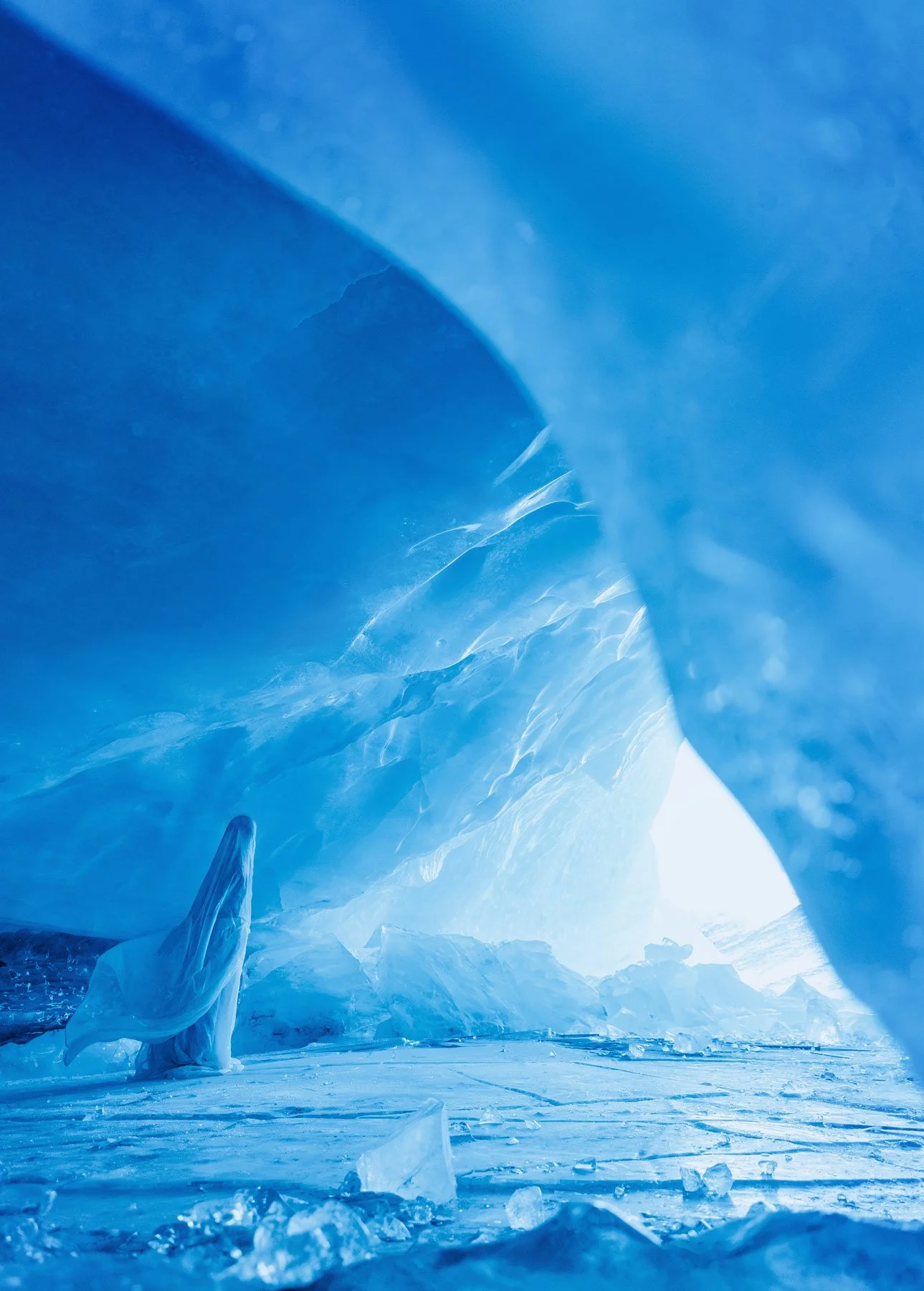
Stasia Schmidt
CLOSING THOUGHTS
Reflective / Timeless
“At the end of the day, photography is still about paying attention. It’s about slowing down enough to really see something whether it’s out in the world or inside yourself. The tools will change, the market will change, but that part doesn’t. And I think that’s why people keep coming back to it.”
For Young Photographers
“If you’re serious about photography , you have to commit. Not just to make pictures, but to understand why you’re making them. It’s not an easy path, and it’s not as clear as it used to be but if the work matters to you, you’ll find a way to keep going. And that’s really what separates people in the long run.”
On the Future of Photography
“There’s a lot of uncertainty right now, but there’s also a lot of energy. The way people come into photography is different, but the desire to express something, to make sense of the world that’s still there. And as long as that exists, photography will keep evolving in ways we probably can’t fully predict.”
Personal
“I never had a master plan for any of this. I just followed what interested me, stayed curious, and tried to be around the work as much as possible. Looking back, those small moments like walking into a gallery, or taking a job I didn’t fully understand ended up shaping everything. So I think a big part of it is just showing up, again and again.”