
Quiet Revolutions: Chiara Negrello on Photographing Women
Chiara Negrello is an Italian documentary photographer and visual storyteller working on social justice. Through photography and video, she investigates how inequality and injustice shape everyday life, frequently focusing on women’s experiences, resilience and agency.
Her projects have been featured in publications such as The New York Times, National Geographic, The Washington Post, Vanity Fair, Vogue, De Volkskrant, D La Repubblica, Mare, NPR, El País, Marie Claire, Der Spiegel, Burn Magazine among others. She has exhibited both solo and collectively in Italy and internationally, including a significant collaboration with the OECD at the 7th World Forum for Well-being.
Member of Women Photograph, Chiara has been nominated as Newcomer for the Leica Oskar Barnack Award and has received the Rita and Alex Hillman Foundation Fellowship for her project on the Ukrainian community in Italy.
Working between Italy and Southeast Asia, she continues to develop personal and commissioned documentary projects while teaching and leading storytelling workshops.
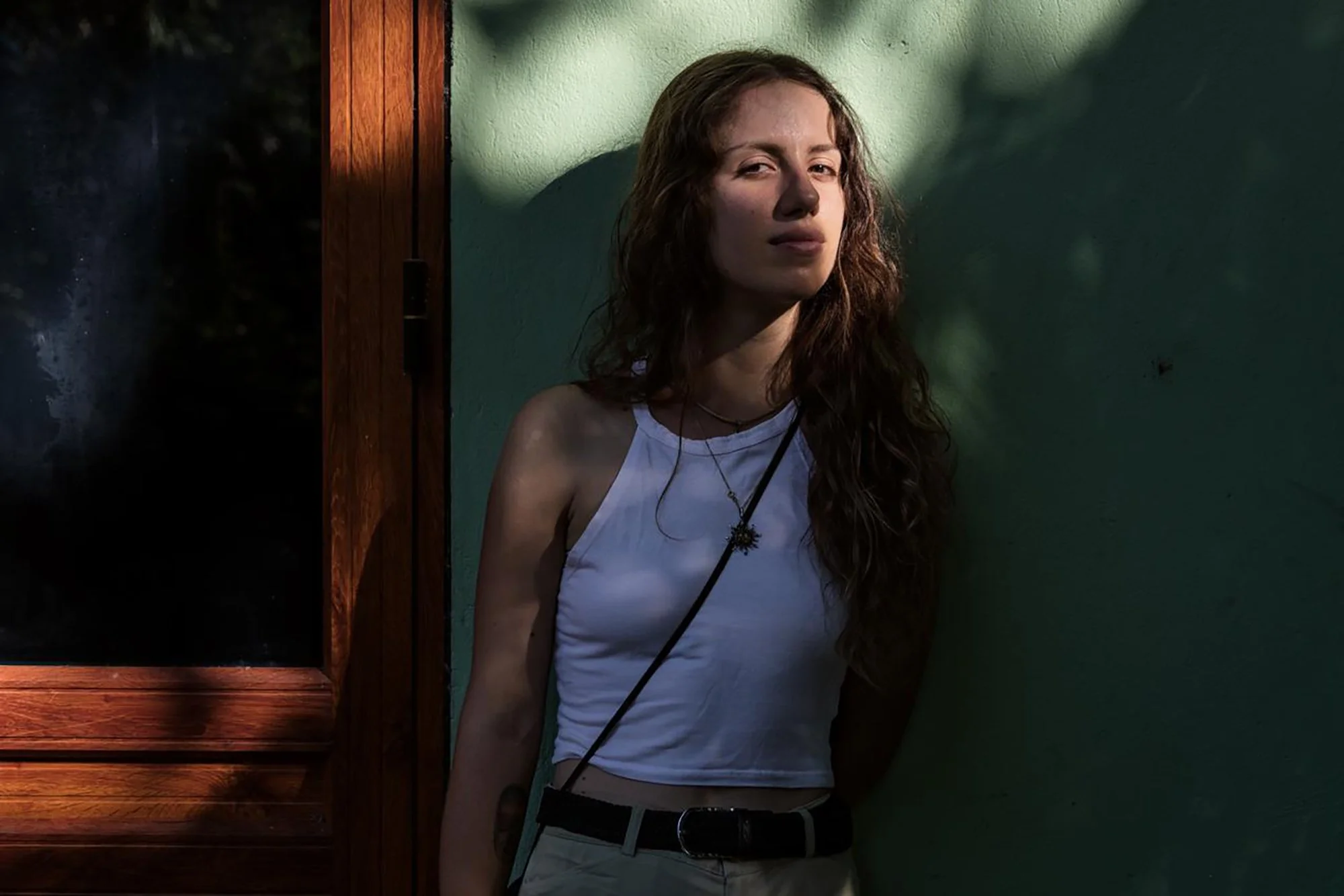
© Giacomo d’Orlando
ON BEING AN “EMERGING” PHOTOGRAPHER
HM: Do you see yourself as an emerging photographer?
CN: Yes and no.
On one hand, I’ve spent several years working in the field, collaborating with a range of magazines, and gaining real-world experience. I know how to work, how to approach a story, and how to meet professional expectations.
On the other hand, I believe we’re all always “emerging” in some way. There’s always more to learn, more ways to explore, and new perspectives to discover. I’m still figuring out exactly what defines my work. I’m interested in many different stories and topics, and it’s hard for me to say, “This is my single focus.”
Right now, I’m also exploring video as an additional language. For certain stories, especially in documentary or photojournalistic contexts, video allows me to capture different layers and nuances.
So, while I have experience and know how to do this job, I also feel there’s an endless path of exploration ahead, and I see it as part of the journey.
CHILDHOOD, SHYNESS AND FIRST CONTACT WITH PHOTOGRAPHY
HM: Tell me about where you grew up and your early life in Italy.
CN: I grew up in a very small town in northern Italy. As a child I was extremely shy, easily scared, and very hesitant. At the same time, I’ve always had this other side of my personality that wants to challenge myself and push my limits.
No one in my family was “artistic” in a professional sense. My parents don’t come from an artistic background at all. The only exception is my uncle who casually introduced me to photography: he handed me his camera after a trip, and something clicked.
My mother has always worked in a male-dominated industry. Only later did I realise how deeply that influenced me. Today I’m very drawn to stories of women who push beyond the roles society assigns them, who challenge norms and expectations. That definitely comes from watching my mother navigate her own world.
I discovered photography when I was about 14. I went to an evening class in my hometown to learn the basics of how a camera works. There was also a course on the history of photography, and when I saw the work of early photojournalists, it hit me very strongly. By the time I finished high school, I was obsessed with the idea of becoming a photojournalist.
Looking back, maybe I’d have studied anthropology or sociology alongside photography, but dedicating myself fully to the medium brought me to where I am now, and I’m very happy about that choice.
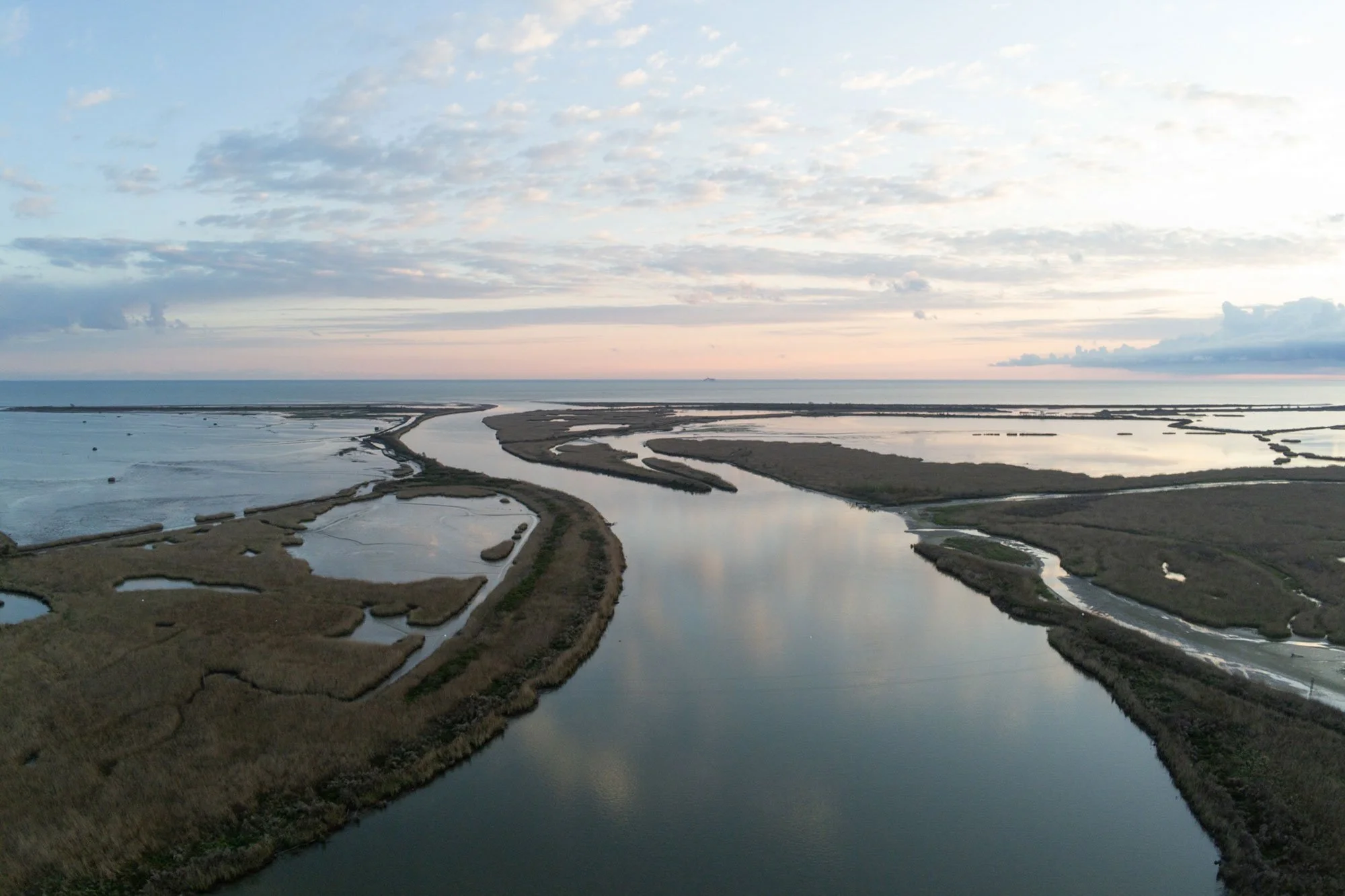
The Po Delta, where Italy’s longest river meets the Adriatic Sea, is a region in northern Italy where human life has long depended on responding to the rhythms of nature. Recognized as a UNESCO World Heritage Site, it has long sustained local communities through fishing, shellfish farming, and small-scale agriculture. Today, this fragile environment faces growing pressure as climate change alters water temperatures and marine conditions, disrupting the delta’s ecological balance.
EARLY STORIES: FROM FAMILY FRIENDS TO MAGHREB COMMUNITIES
HM: What did you photograph as a teenager?
CN: At first, like most people, I photographed my friends, my family, whatever was around me. I’m 30 now, so when I started, smartphones weren’t really a thing yet. I would look up photographers’ work on Google images, trying to understand and, in a way, copy what they were doing.
My father grew up in an even smaller town than mine. When he was younger, he helped a local Muslim community from the Maghreb settle in the area, and he kept close friendships there. I remember asking him, “Can you ask your friends if I can go and stay with them while they pray, cook, live their daily lives?”
So I started spending time with those families, just being there with a camera. That was my first real approach to documentary photography: sensing from the beginning that the camera could tell a story.
I think that comes from my family’s attitude to people and stories. My parents both worked “ordinary” jobs, but they were always curious about others. My father, in particular, would constantly share stories about the people he met. Photography naturally became my way of carrying on that curiosity.”
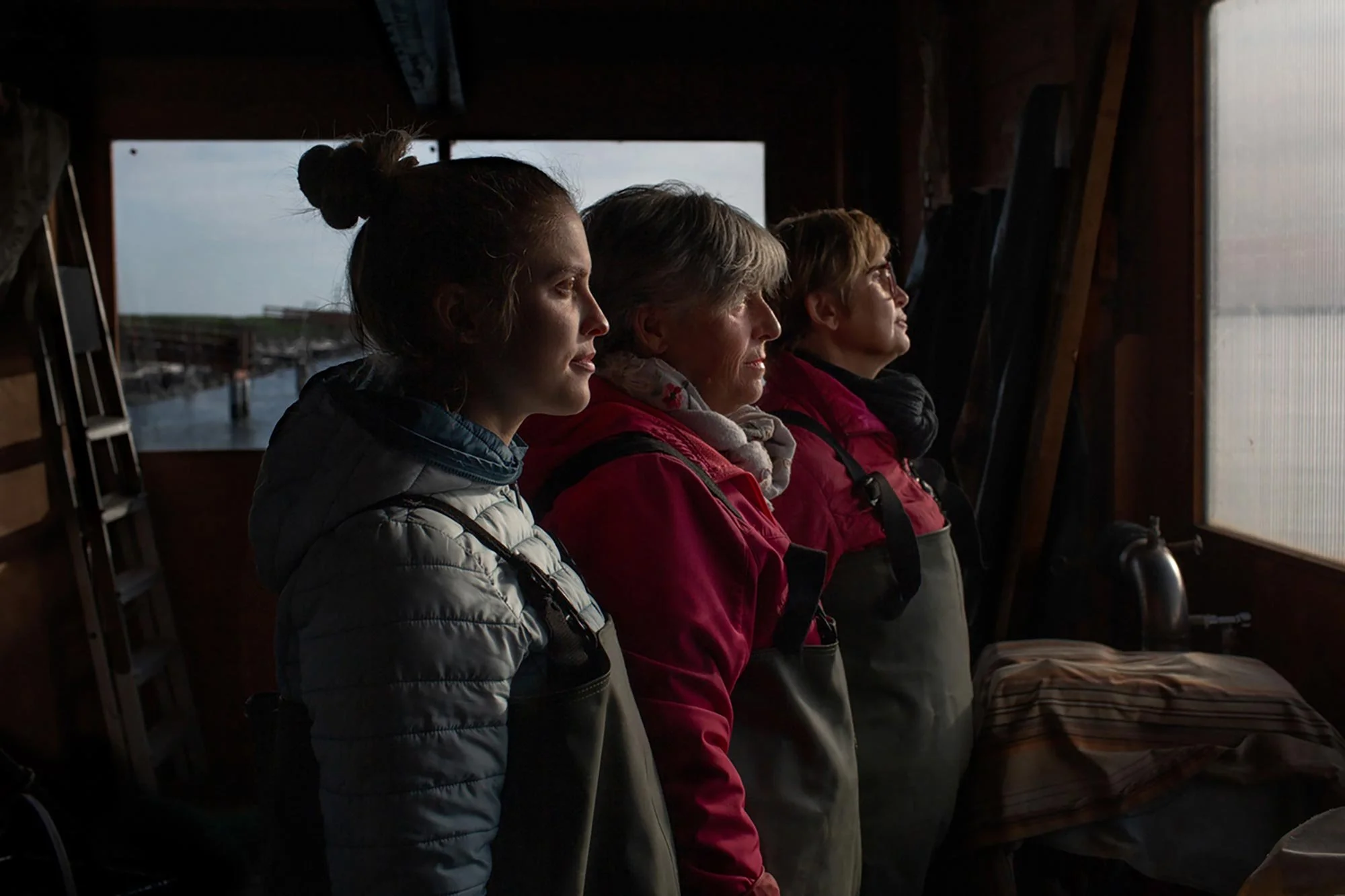
Chiara Vallati, Giovanna Tesserin, and Barbara Tesserin stand in their family boathouse. Chiara, trained as a chef, joined the family’s clam-fishing work during the COVID-19 pandemic. Fishing with her mother and aunt became a powerful bond between them. Barbara and Giovanna followed their mother into fishing in the 1990s after leaving textile jobs. In 2024, the family gave up their fishing license after invasive crabs devastated local clam stocks.
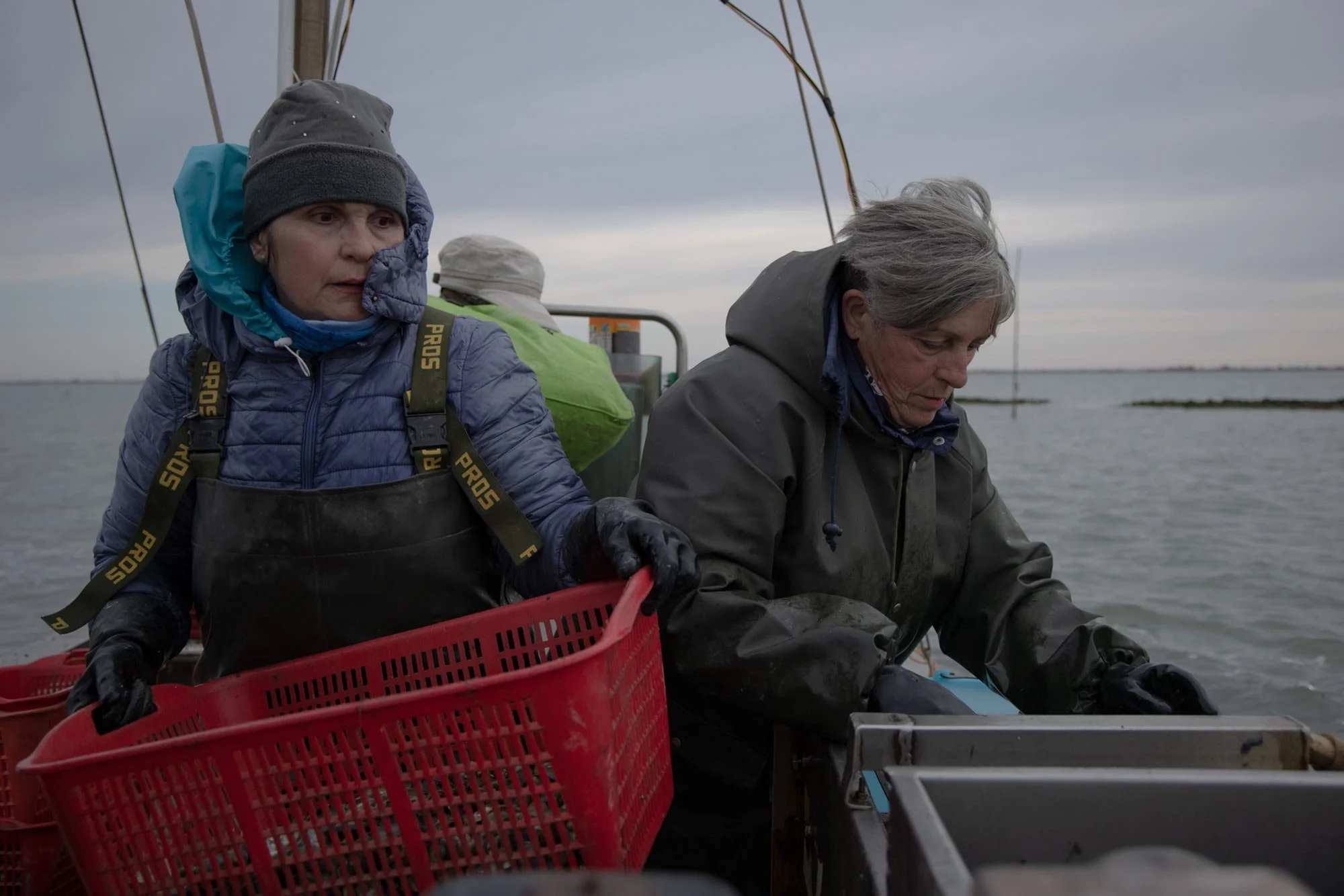
Barbara and Giovanna Tesserin, sisters and lifelong fisherwomen, harvesting clams.
EDUCATION AND THE DREAM OF PHOTOJOURNALISM
HM: How did you move from this teenage curiosity to professional training?
CN: After high school, I studied photography for three years in Florence. Parallel to that, I was already freelancing and travelling alone, testing myself in the real world.
In 2020 I applied to the Documentary Practice and Visual Journalism program at ICP and received a Reuters scholarship. It was during COVID, so I couldn’t go to New York; I followed the program online from Italy.
That experience pushed me to start my first real long-term project close to home, in the Po Delta, south of Venice. That project—about clam fisherwomen—was truly transformative for me.
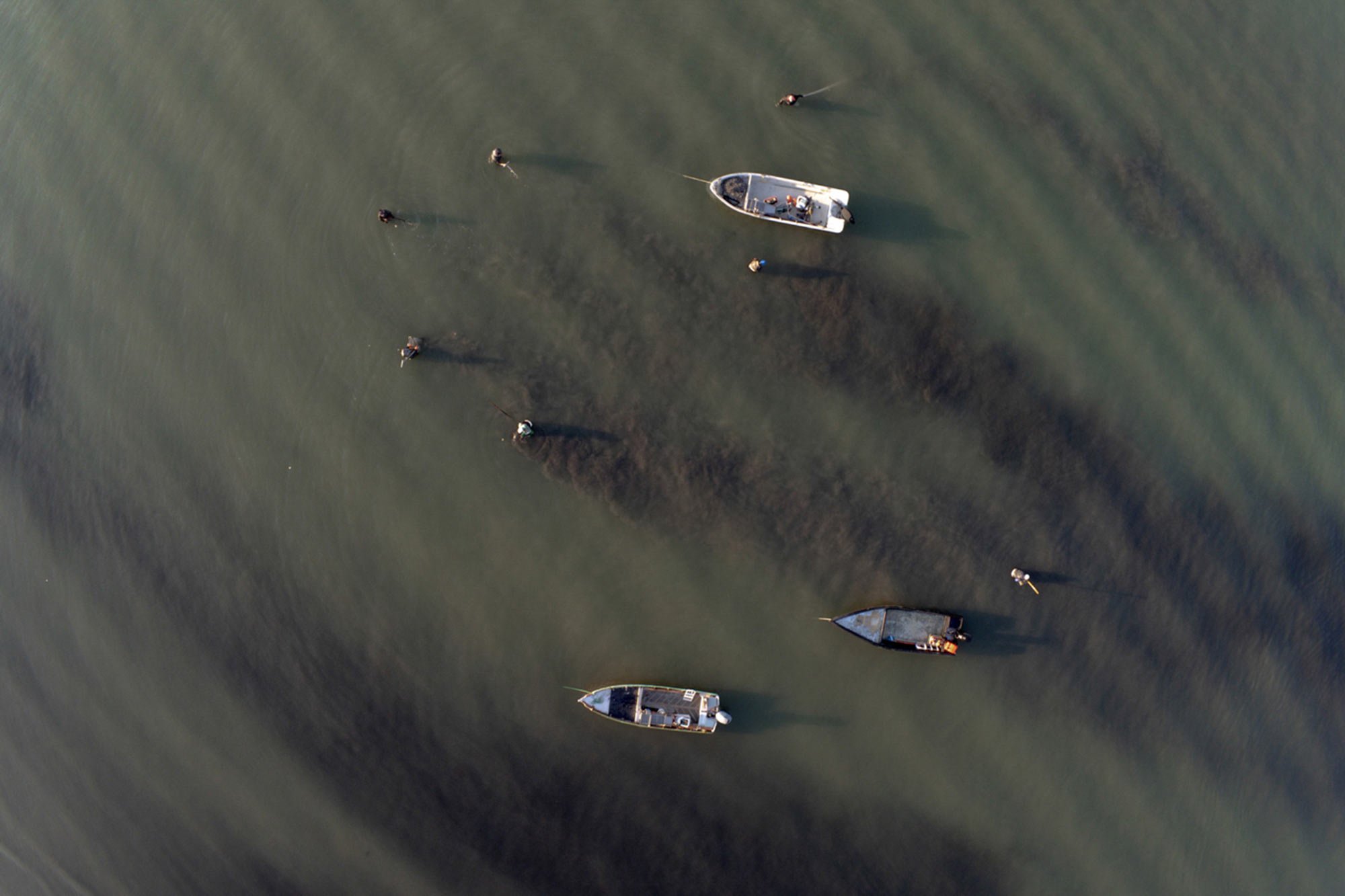
Clam-fishing boats in the Po Delta.
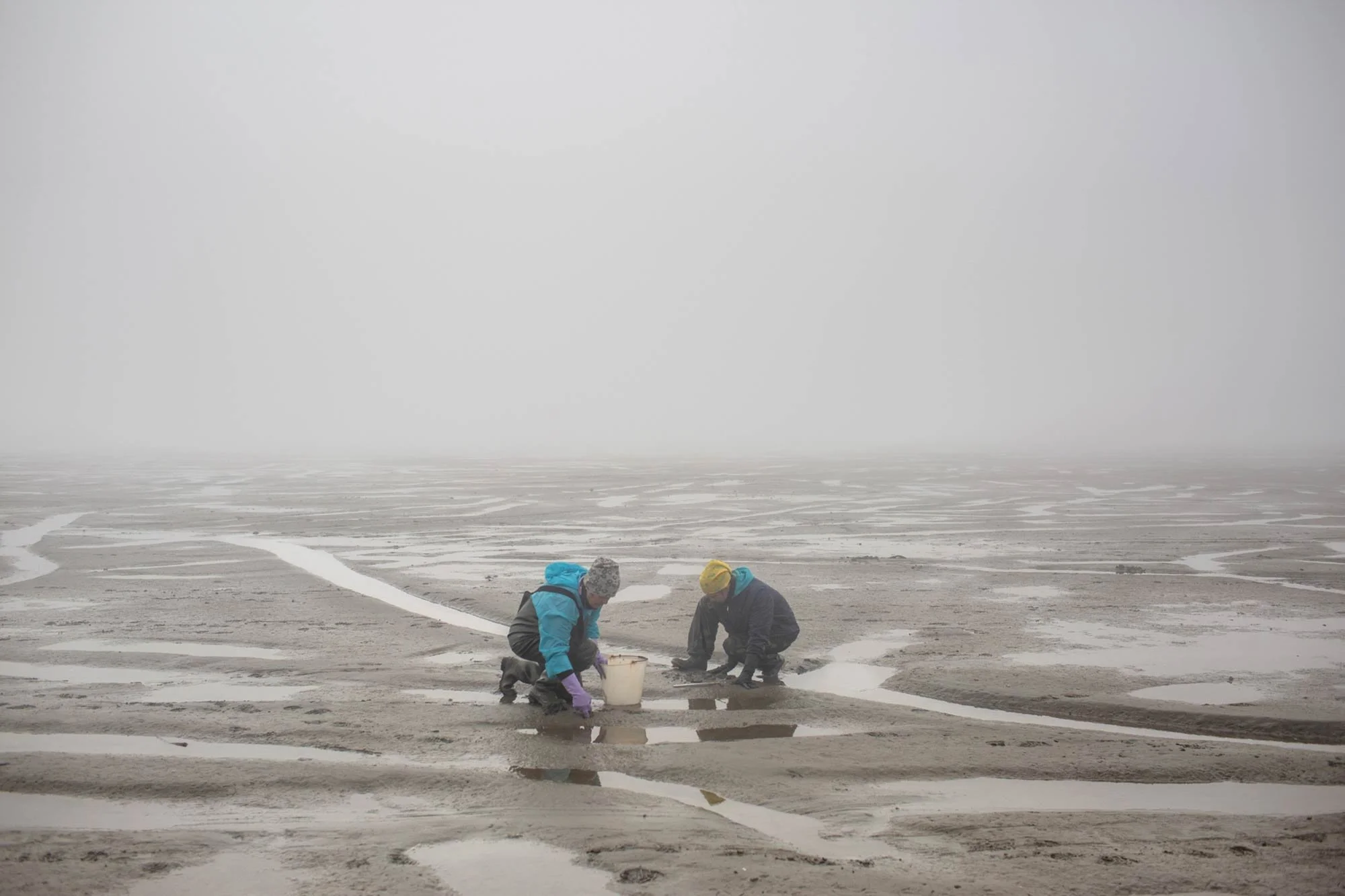
Barbara Tesserin and her daughter Chiara Vallati dig for clams by hand along the Po River during periods of low water. Prolonged drought linked to climate change increasingly forces fisherwomen to work directly on the exposed riverbed.
THE CLAM FISHERWOMEN OF THE PO DELTA
HM: You’ve said the Po Delta project changed the way you see photography. How so?
CN: The Po Delta is an area that, after World War II, was very poor and heavily affected by illness and economic crisis. In the 1980s and ’90s, the textile industry collapsed because factories moved production to cheaper countries. Many local women lost their jobs overnight.
At the same time, the clam industry was growing. So these women decided to join the men at sea and work as clam fisherwomen. In Italy this is very unusual—fishing is considered men’s work.
When I went there, I thought I would photograph women on boats. In the end, a large part of the work took place in their homes. I spent six months living there, inside the community. I saw them at sea, but also helping grandchildren with homework while cooking, caring for families, managing everything.
Listening to them describe how men initially told them, “You’re too weak, you’ll fail,” and how they stubbornly proved them wrong was incredibly inspiring. As a woman, I remember thinking, “I want to be like you—so determined.”
The core of the project became their kind of silent revolution: women entering a male-dominated space and quietly starting to change it. Emotionally it was very close to my own world—their houses reminded me of my grandmother’s house, their gestures felt familiar. That emotional closeness shaped the intimacy of the images.
That project taught me how deep a long-term story can go, how many layers you can express through a single photograph when you give yourself time and proximity.
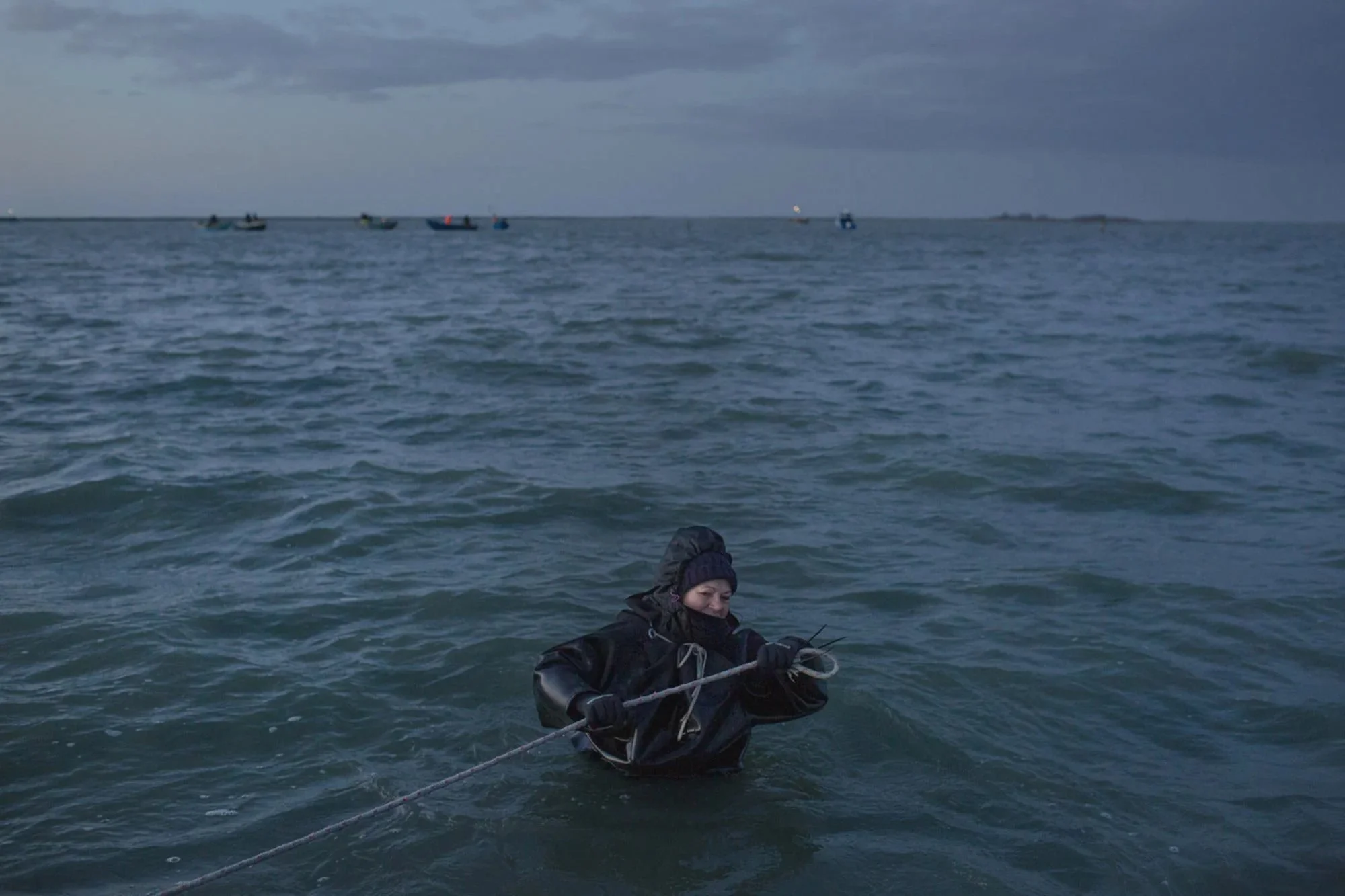
Oscarina Soncin pulls the rope to anchor her boat before beginning to fish.
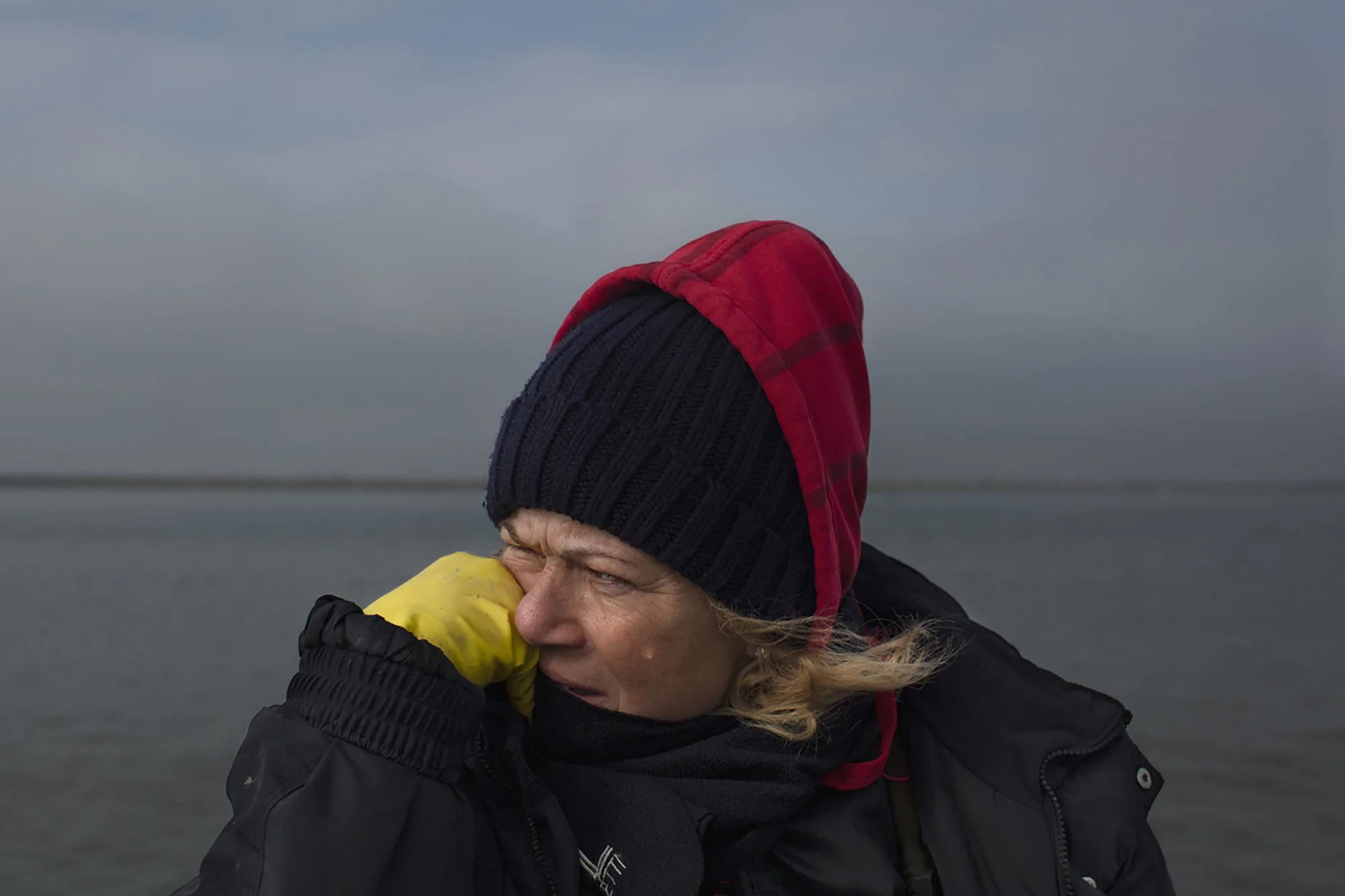
Oscarina Soncin shivers on a cold winter morning in the Po Delta. For 20 years, she has faced harsh conditions and long hours fishing for clams.
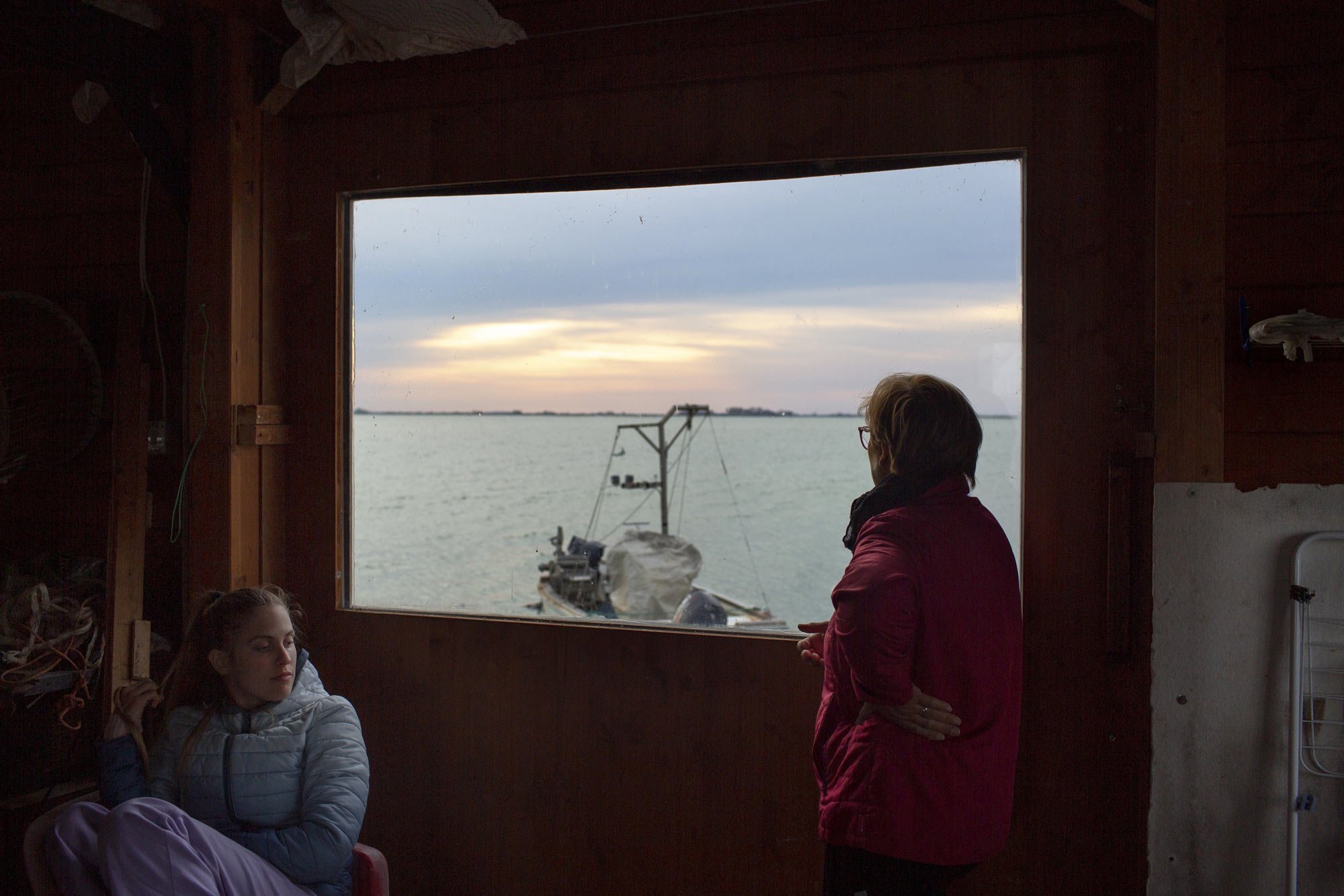
Chiara Vallati and Barbara Tesserin in their houseboat, a place that holds deep meaning for them. Beyond storing fishing gear, it is where they gather, rest, and spend long moments watching the river flow by.
UKRAINIAN CAREGIVERS AND WAR FROM A DISTANCE
HM: After the fisherwomen, you worked on a story about Ukrainian caregivers in Italy. How did that begin?
CN: Around 2020 my grandmother got COVID and spent three months in hospital. When she came home, she was no longer independent, so my family hired a Ukrainian caregiver to live with her.
This was the first time I experienced having a full-time caregiver inside our family. I was struck by her choice as a mother to leave her own children in Ukraine to care for an elderly woman in Italy. At that time, there were already early signs of rising tension between Russia and Ukraine.
I started photographing very quietly: her presence in my grandmother’s house, her daily routine, and then, through her, I was introduced to a wider network of Ukrainian caregivers in Italy. When the full-scale invasion began, I was already inside that community.
I received a fellowship to develop the project for a year. It became a story about what it means to care for strangers in another country while the people you love most are living through war.
It was a very difficult project on several levels. My own grandmother was involved, my family was involved, and my grandmother passed away during the process. I was both insider and outsider. Visually, I struggled because I was trying to photograph something invisible: fear, grief, distance.
At some point, I realized I was photographing what was happening, but not the emotions behind it. That’s when I shifted my visual approach. I also started incorporating multimedia elements like video and sound to capture the emotional side more fully.
LEARNING TO PHOTOGRAPH FEELINGS
HM: How did you technically deal with photographing something as intangible as emotion?
CN: During that project I was selected to attend a short workshop with Cristina de Middel in Milan. She talked about knowing what you are looking for: not just images, but feelings.
If you want to talk about sadness, you have to recognise signs of sadness. If you want to talk about love, you must actively look for gestures, objects, or situations that embody love. It sounds simple, but for me it was a turning point.
After that, I started walking around Florence, where I was living, with different eyes. I remember a carousel in the city centre that I had passed hundreds of times without thinking about it. Suddenly it became a symbol of childhood, repetition, nostalgia—the kind of thing that could visually connect to someone’s memories of family far away.
So I began to pay attention to small things that could speak emotionally, not just literally. That’s also when multimedia—video, sound, rhythm—became a natural extension of my photography.
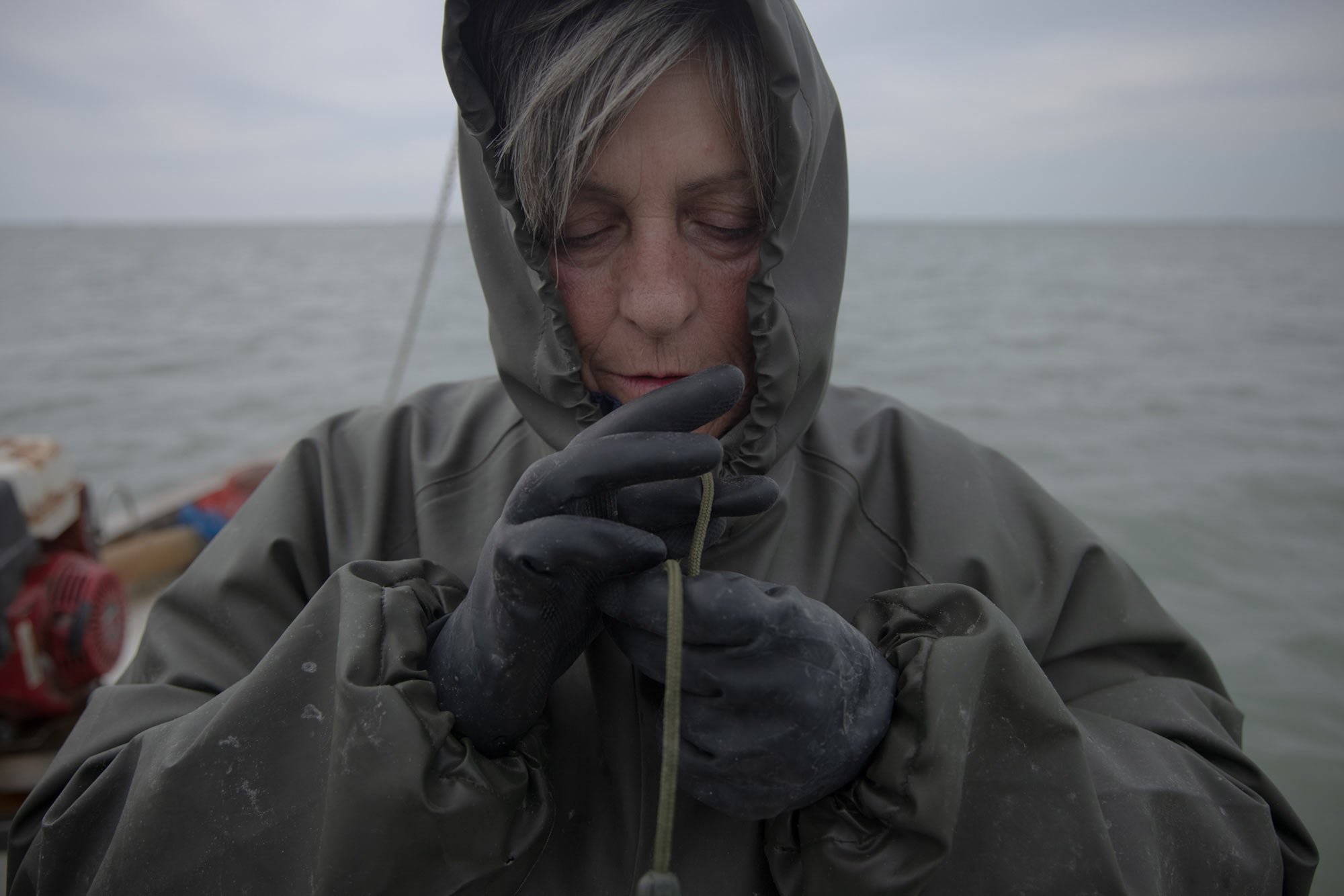
Giovanna Tesserin, a fisherwoman, during the early preparations before heading out to fish.
CREATIVE CHALLENGES AND MOMENTS OF DOUBT
HM: What has been your biggest creative challenge so far?
CN: The caregivers’ project, definitely.
Visually, because I had to represent emotions—war, fear, distance—without “war images”. Personally, because my grandmother and my family were part of the story, and I lost my grandmother in the middle of it.
I reached a point where I felt blocked: I was describing events, but not feelings. That forced me to stop, rethink and experiment—first with a different way of seeing, then with multimedia. It was a painful but necessary crisis.
As for doubt in general: I don’t handle it perfectly. When doubts come, they can stop me. But I am learning to see them as a sign to pause, to read, to live, to do things that are not “work”. Doubt can be the doorway to a new approach if you don’t panic and just sit with it for a while.
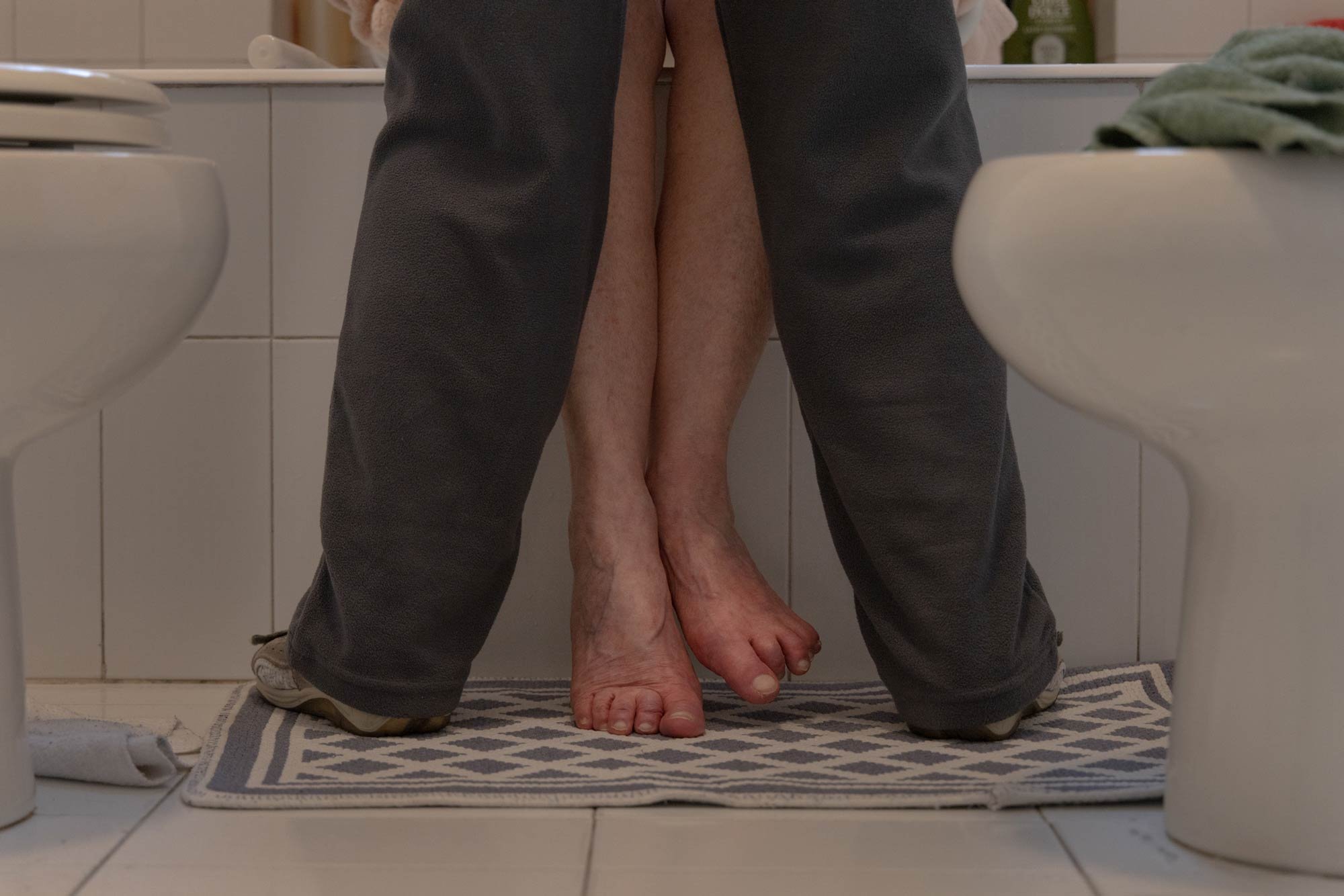
From Caring for Our Past
Liliya Khodunay bathes Anna, the elderly woman she cares for. Caregiving requires constant negotiation of intimacy and boundaries, yet over time this closeness can grow into a bond as deep as family.
INEQUALITY AND ECONOMICS AS A HIDDEN THREAD
HM: A lot of your work touches on social and economic issues, even when the stories seem very local. Is that intentional?
CN: Yes, even if it’s not always explicit.
In the Po Delta, you can feel how economic shifts—like the collapse of the textile industry—shaped those women’s lives. With caregivers, economic necessity is the starting point: they leave their families to support them from abroad.
I’m very interested in how economic decisions, often made far away, shape everyday lives in quieter, less visible parts of a country. Inequality is something I’d really like to explore more deeply in Italy. From the outside, people see Rome, Venice, Florence, the cliché of beauty and good living. Outside the well-known cities, many communities face economic instability and limited opportunities.
When I work in Southeast Asia, inequality is visually very obvious: wealth and poverty are sharply separated. In Italy it’s more subtle, more silent. Income has not grown, while the cost of living continues to climb. Many are quietly facing financial difficulties.
I like to explore these tensions that are always somewhere under the surface of my stories.
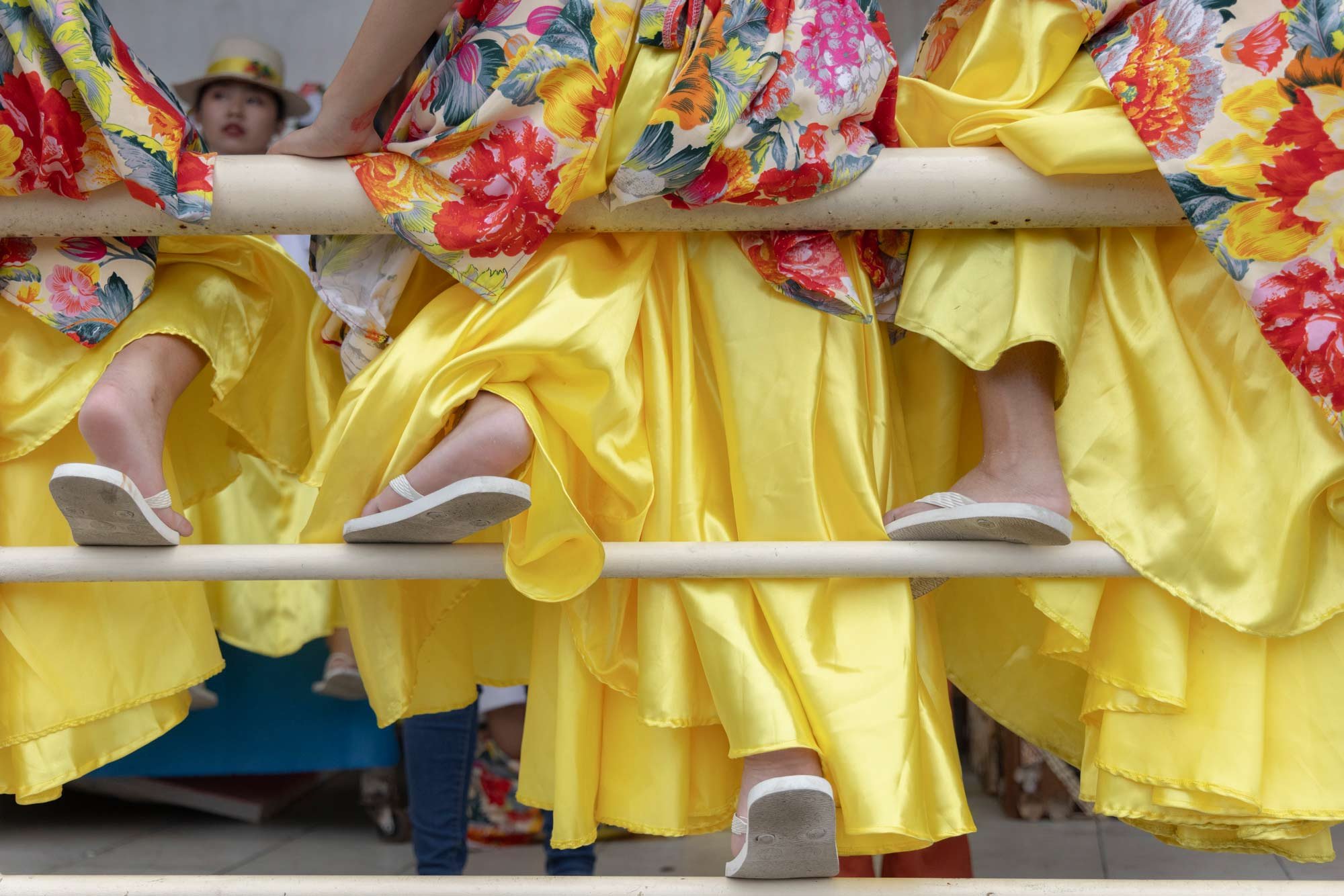
Detail of slippers worn by young dancers during the Sublian Festival.
Batangas, July 23, 2024.
MOVING TO SOUTHEAST ASIA
HM: What made you leave Italy and move to Southeast Asia?
CN: I first felt the desire to leave Italy around 2019, but my plans were postponed due to the pandemic. Travelling solo in my early twenties, I discovered that photography was more than a tool for exploring the world; it was also a way of confronting my own fears.
Living abroad has changed me fundamentally, both personally and professionally. Immersing myself in different cultures challenges my assumptions and forces me to grow, and I hope this is reflected in my images. Over the years, I have lived in Vietnam for a year and in the Philippines for two. I didn’t know anyone when I moved there, and I often travelled or worked alone for extended periods. However, I try not to live as a tourist but to get as close as I can to local life.
For me, the heart of documentary storytelling lies in building trust. When I spend long periods with my subjects, sharing daily routines, listening, cooking and living together, their stories become part of mine. It’s in these moments that I stop observing and start being guided: they explain what I see, and I begin to understand rather than just document.
The choice to live abroad reflects both a personal journey and a professional one.
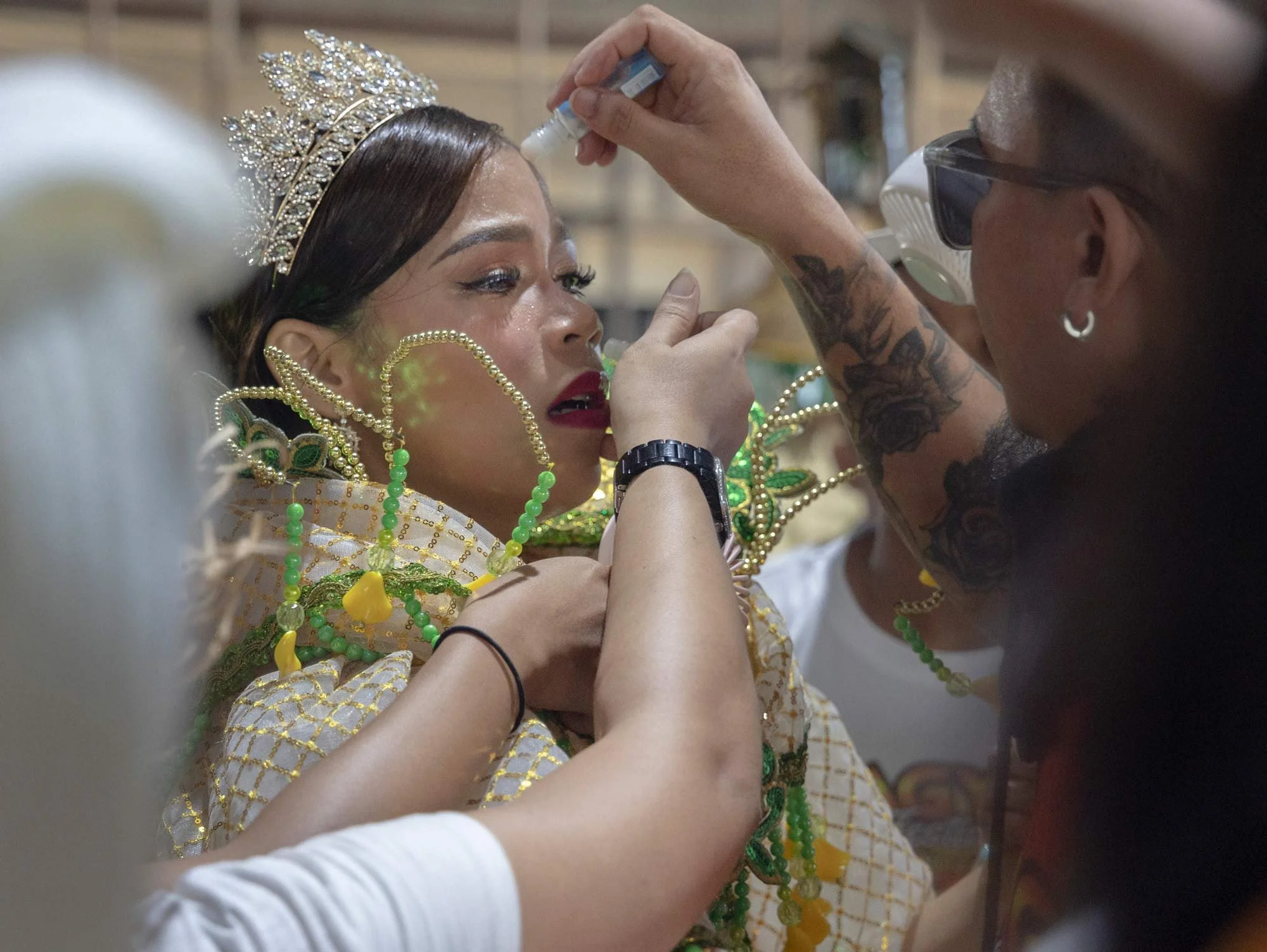
Festival Queen Jazzmin Jane R. Amor is assisted after feeling unwell during the Yag-Yag Festival. She suffered heat exhaustion due to the high temperatures and long waits before her performance while wearing a heavy, layered costume. It is not uncommon for participants to collapse or feel faint during festivals, as the physical demands, combined with the heat and tight schedule, can quickly become overwhelming. Support teams are usually on hand to provide immediate assistance if needed.
Dumaguete City, April 28, 2024.
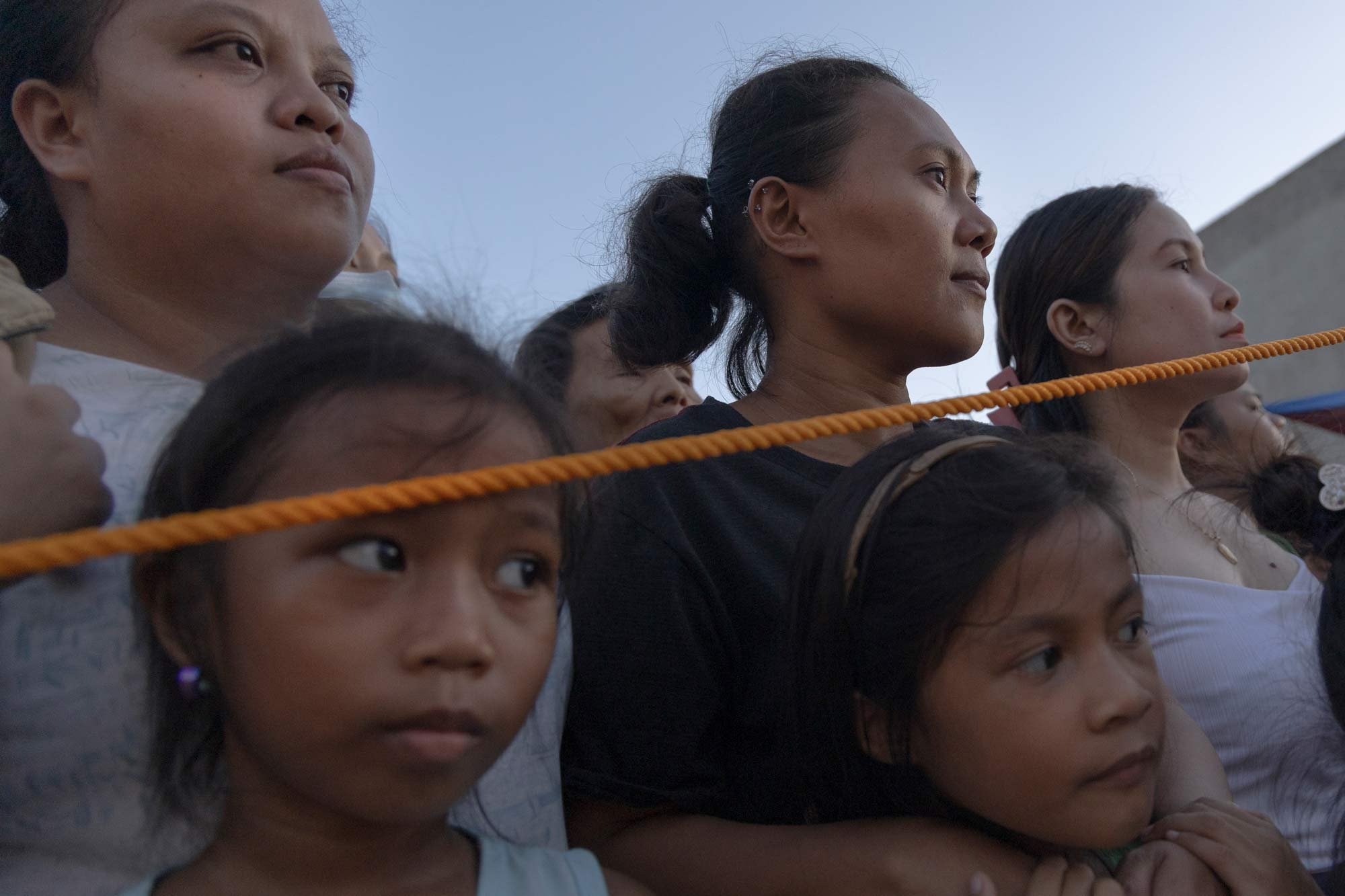
Local spectators enjoy the street dancing during the Yag-Yag Festival. While modern influences, such as tourism, have reshaped many local festivals, the essence of these celebrations remains intact. For the people of Dumaguete, Festivals are not just performances for outsiders, but a reaffirmation of their identity and heritage. The streets, filled with local families and neighbors, become a stage for the continuation of rituals passed down through generations. Despite the changes, it’s the community’s unwavering participation and pride that maintain the spirit of these events, keeping alive the collective memory and the values that have defined them for centuries.
Dumaguete City, April 28, 2024.
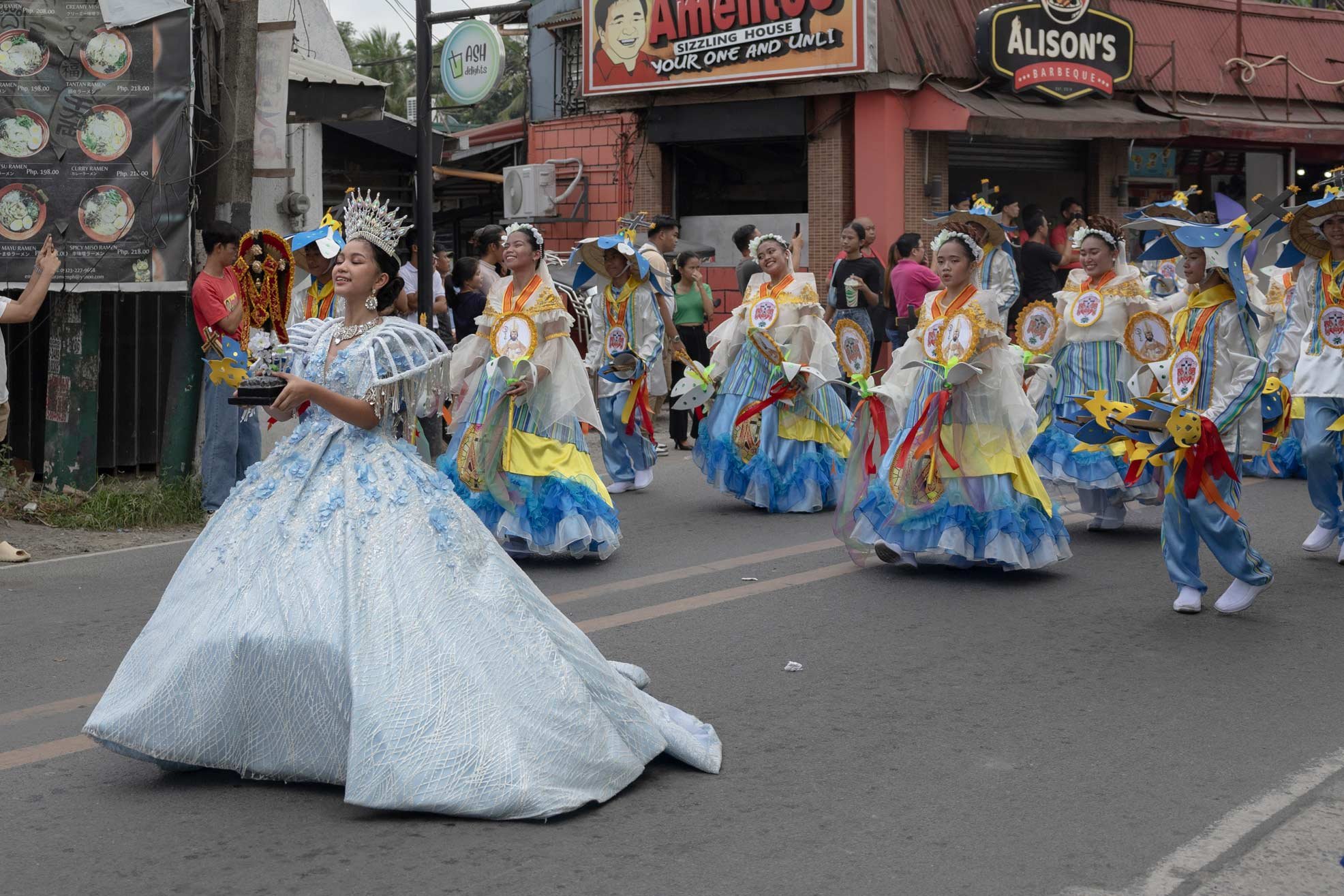
Fria Elisha Marie Andaya leads the parade through the streets of Malolos during the Santo Niño de Malolos Festival.
Malolos, September 14, 2024.
THE FESTIVAL QUEENS OF THE PHILIPPINES
HM: Let’s talk about your project on festival queens in the Philippines. How did it begin?
CN: When I first arrived in the Philippines, I felt a bit out of place. At the time I was living in a big city, Cebu, and the first few months were challenging.
At some point I decided to escape for a few days to a small island nearby, just to clear my head. While walking there, I stumbled upon a local festival. There was music, colours, people celebrating, and among them these young queens in elaborate dresses dancing under the sun.
It was extremely hot, their gowns were heavy, they were sweating, and yet some people kept shouting at them to smile and perform. Starting to take photographs was an instinctive choice, but I think it was triggered by a pang of vulnerability I felt watching them, recognizing the same feeling in myself.
Initially, I had no overarching concept; I simply explored the festivals out of curiosity, viewing them as a window into the country and its culture. It was only later that I began to see the subject's potential complexity and significance.
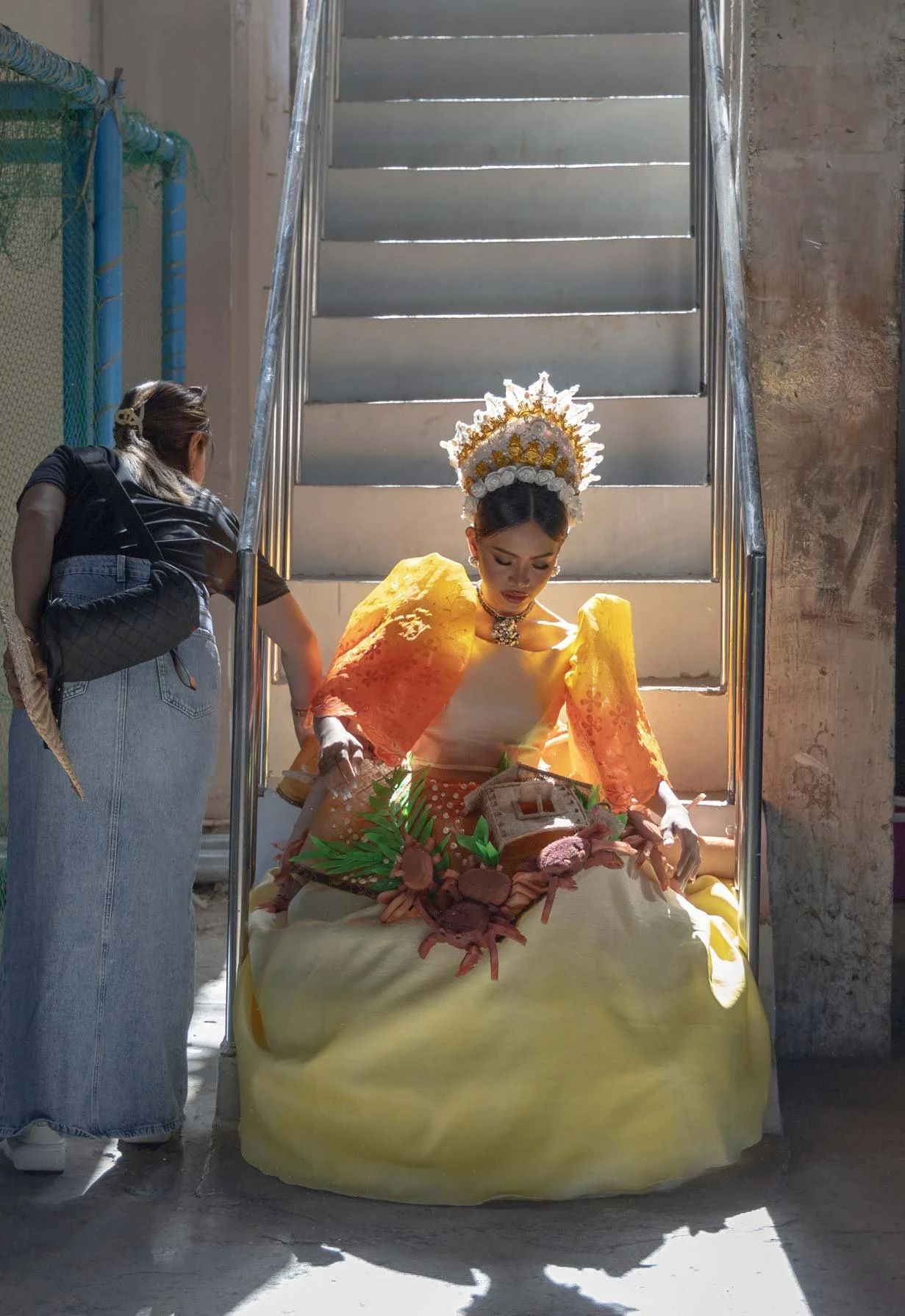
Festival Queen Catherine Grace B. Elnar poses for a portrait before the main parade of the Yag-Yag (Kagawasan) Festival in Negros Oriental. This was Catherine's first time as Festival Queen. The tradition of crowning festival queens dates back to Spanish colonial times, when beauty and symbolic female roles were incorporated into religious and urban celebrations. Today, festival queens represent a blend of cultural pride and pageantry at the intersection of tradition and modern aspirations. Proud of her participation, Catherine sees the experience as both a personal achievement and a meaningful connection to her roots.
Dumaguete City, April 28, 2024.
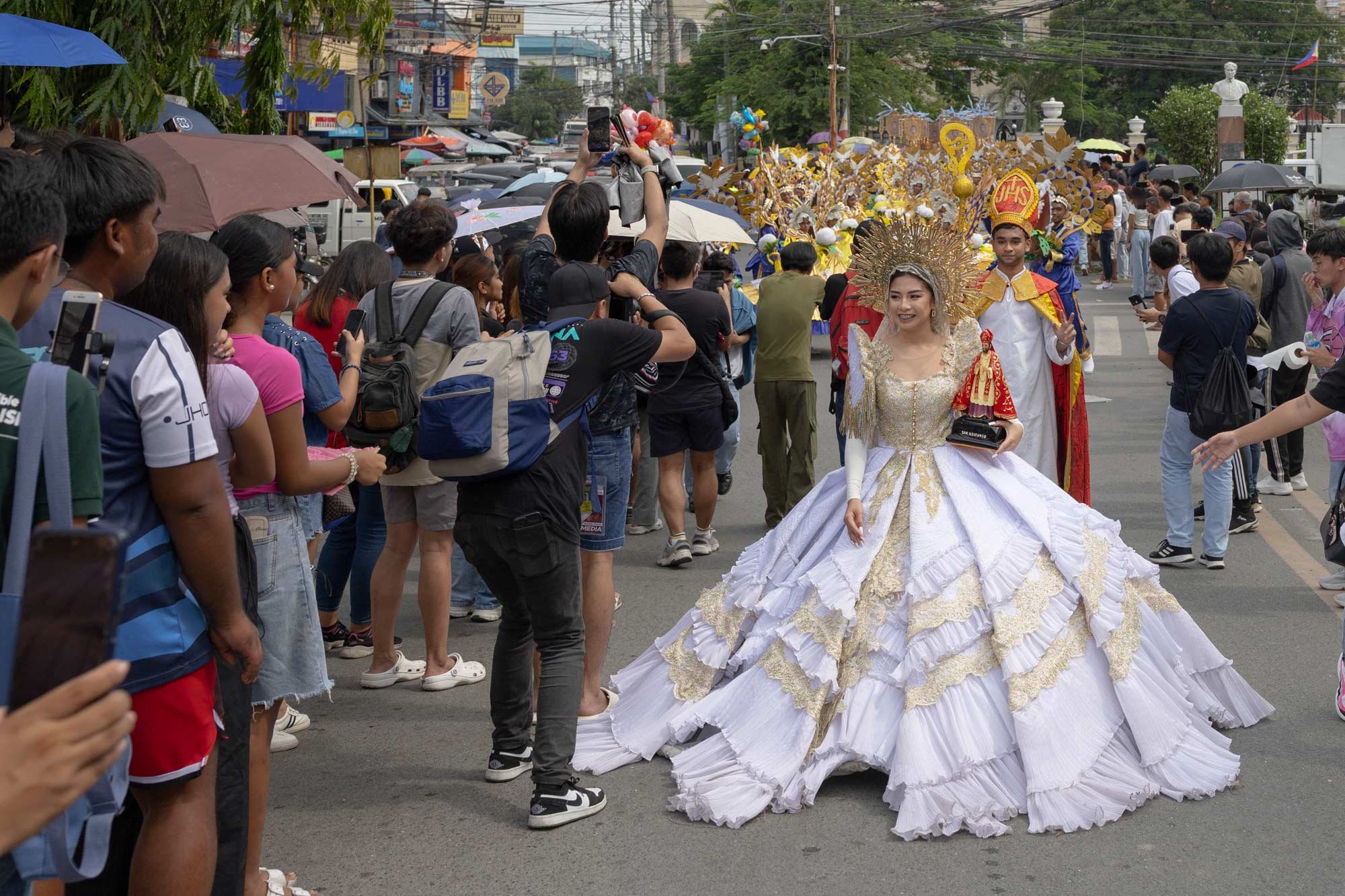
A Festival Queen leads the parade in front of the Malolos Cathedral during the Santo Niño de Malolos Festival. The cathedral, built in 1580 by the Augustinian friars and dedicated to the Immaculate Conception, stands as a symbol of the town’s deep religious heritage. The Santo Niño de Malolos is closely tied to the church, as it houses the revered statue of the Holy Child. The festival honors both the religious significance of the Santo Niño and the town’s historical role in Philippine culture, highlighted by the cathedral’s connection to key events like the 1888 dialogue that allowed local women to learn Spanish.
Malolos, September 14, 2024.
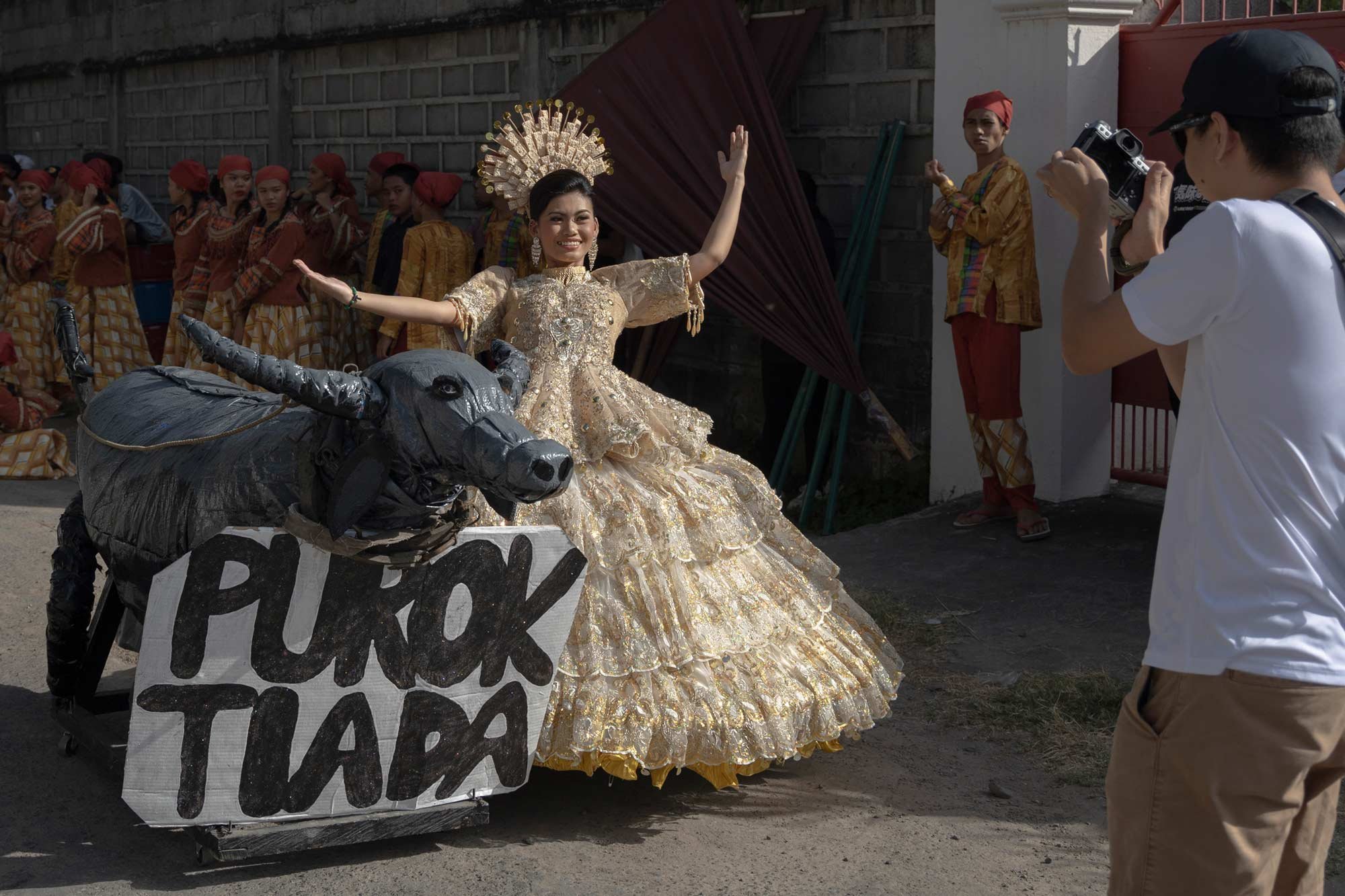
Festival Queen Sopea Sotillo poses with a carabao, the symbol of her purok, before the Darohanon Festival parade. The carabao, a national symbol of hard work and resilience, represents the agricultural roots of her neighbourhood. Like many of the festival's decorations, it is made from basic, affordable materials. These handmade creations reflect the community's resourcefulness and their strong commitment to taking part in the celebration.
Dumaguete City, April 21, 2024.
THE MEANING AND EVOLUTION OF THE FESTIVALS
HM: What’s behind these queens and festivals culturally?
CN: Festivals in the Philippines trace back to the Spanish colonial period and were originally religious celebrations. Over time, influenced by American culture, beauty and performance became more central, and today the role of a “Queen” often reflects both religious tradition and pageant-like elements.
These festivals happen throughout the country, all year round. Some include queens, some don’t. In smaller towns, preparations are simpler and costumes more modest. In larger, well-known festivals (like those honoring Santo Niño) participants train for weeks, media coverage is extensive, and sponsors get involved, creating significant exposure.
In the Philippines, this spirit of community cooperation is called bayanihan, where Filipinos come together in a spirit of unity and cooperation to support one another. I witnessed this vividly during festivals: in one town, for example, an entire neighbourhood contributed what they could so that their chosen girl could become queen for a day. I believe this collective effort reflects the generosity and strong sense of togetherness that characterize communities across the country.
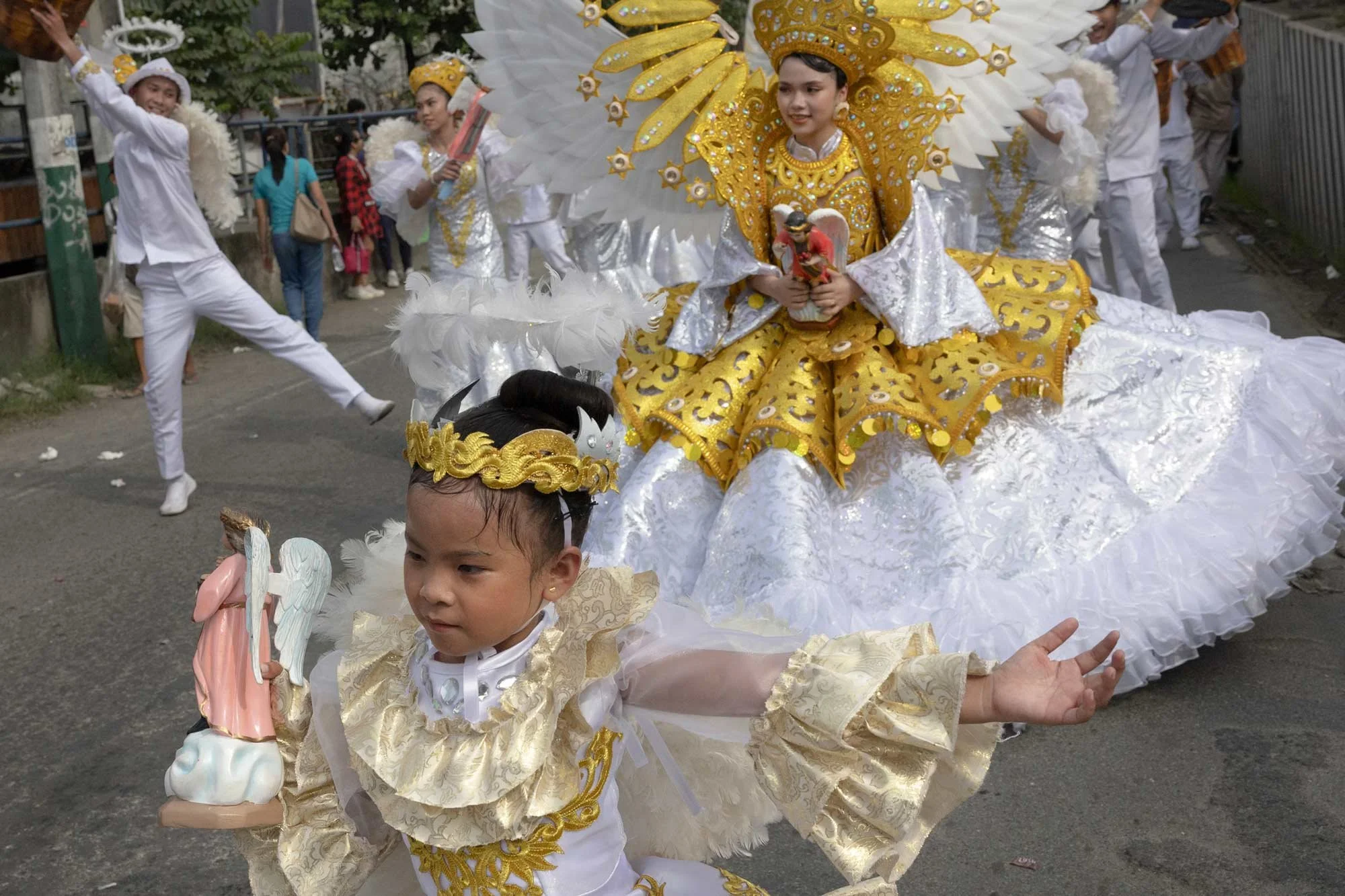
The Festival Queen dances through the streets of Malolos, accompanied by a group of very young dancers. Their performance is a reflection of the evolving role of festivals, where younger generations are actively involved in carrying forward the traditions of their communities.
Malolos, September 14, 2024.
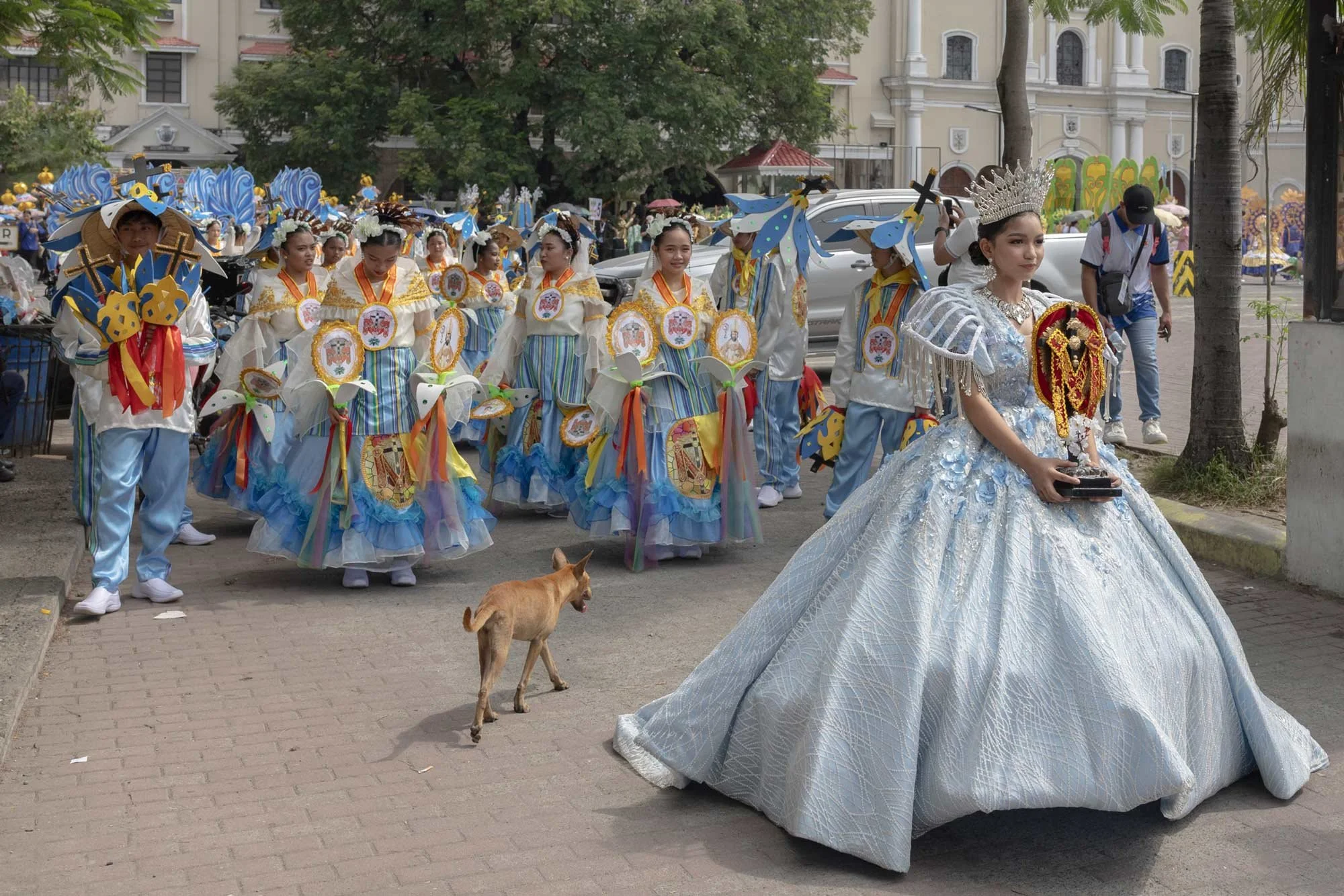
Fria Elisha Marie Andaya waits for the parade to begin, her contingent lined up behind her, ready to perform in the Singkaban Festival. As the returning Festival Queen, she leads the group with a sense of responsibility and pride.
Malolos, September 14, 2024.
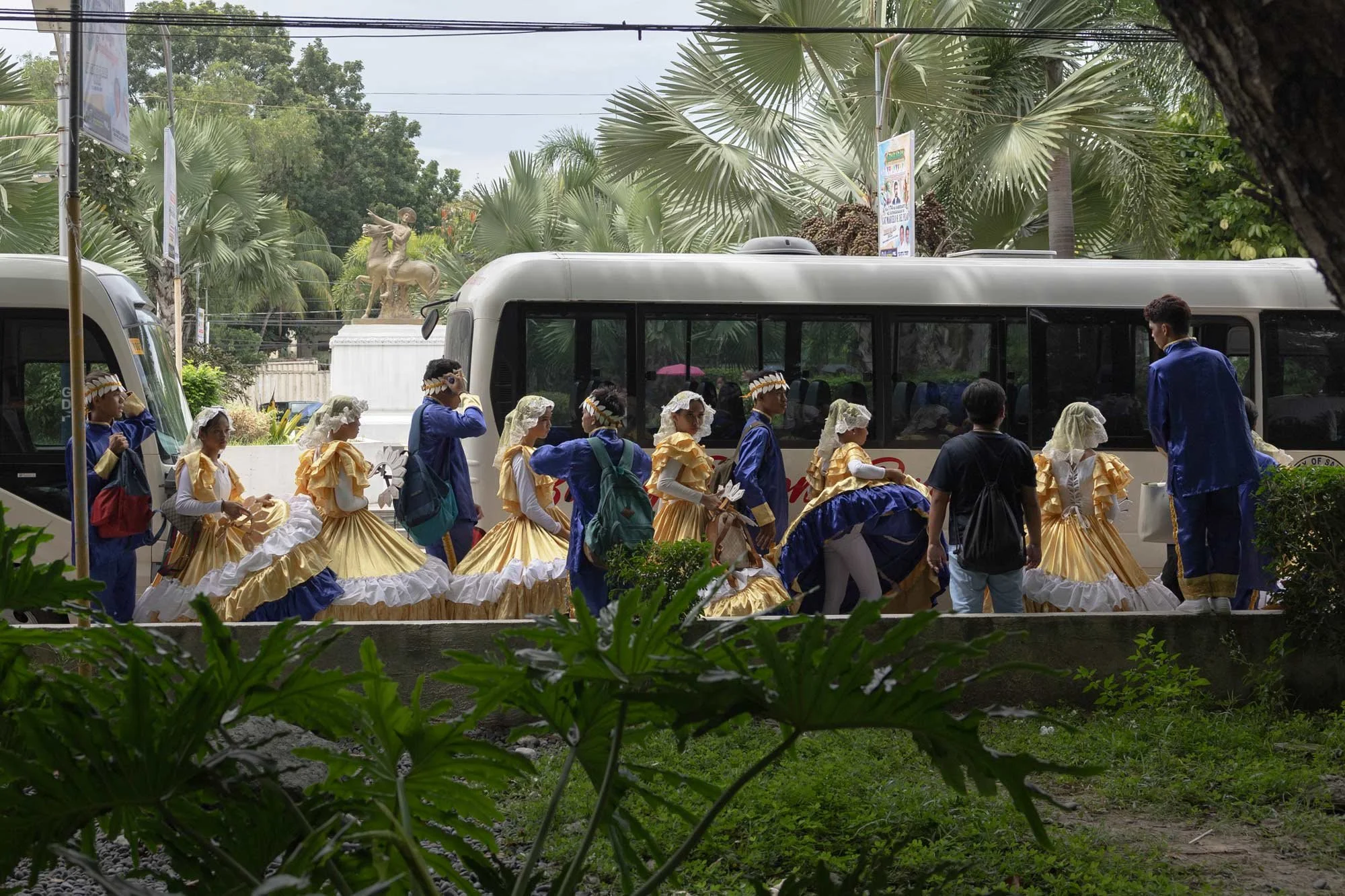
Students from a nearby municipality arrive by bus to participate in the festival. Many school groups take part as official contingents, often representing their towns or provinces. Depending on the scale of the event, especially for regional or city-wide festivals, some students travel for several hours to attend and compete.
Malolos, September 14, 2024.
DOUBTS, DIRECTION AND RETURNING TO THE PO DELTA
HM: You’ve mentioned feeling like you’re still searching for a “direction”. What do you mean by that?
CN: For a long time, I often felt as though I was balancing many projects at once, deeply immersed in each story, yet without a long-term body of work to return to. I was drawn to new subjects, following my curiosity wherever it led me. While this exploration has been enriching, I sometimes longed for a “home base” project, a body of work I could develop slowly and observe evolve over time.
I have just returned to the Po Delta, a place where my work first began. I feel a profound connection to both the land and the people who live there. This return has made me realize that this is the home I had been seeking, a place to root my practice and reflect deeply. I’m approaching this return without the pressure of immediate results, focusing instead on how the Delta itself has changed and on the women I have been following, especially after the invasion of blue crabs that devastated the clam industry.
It is refreshing to give myself the time to think, research, and plan, rather than relying solely on instinct. Instinct is invaluable and I will always continue to follow it, but structure is essential, too.
EMOTIONAL TRUTH VS. AESTHETIC FORM
HM: When you shoot, what comes first for you: emotional truth or visual form?
CN: Emotion, always.
Of course I care about aesthetics. I always work with natural light, I never stage scenes except for portraits, and flat light is something I struggle with a lot. But my first instinct is emotional: What does this situation feel like?
The aesthetic comes from that. If an image is visually beautiful but emotionally empty, it doesn’t engage me fully. I’d rather lose a perfect composition than lose honesty.
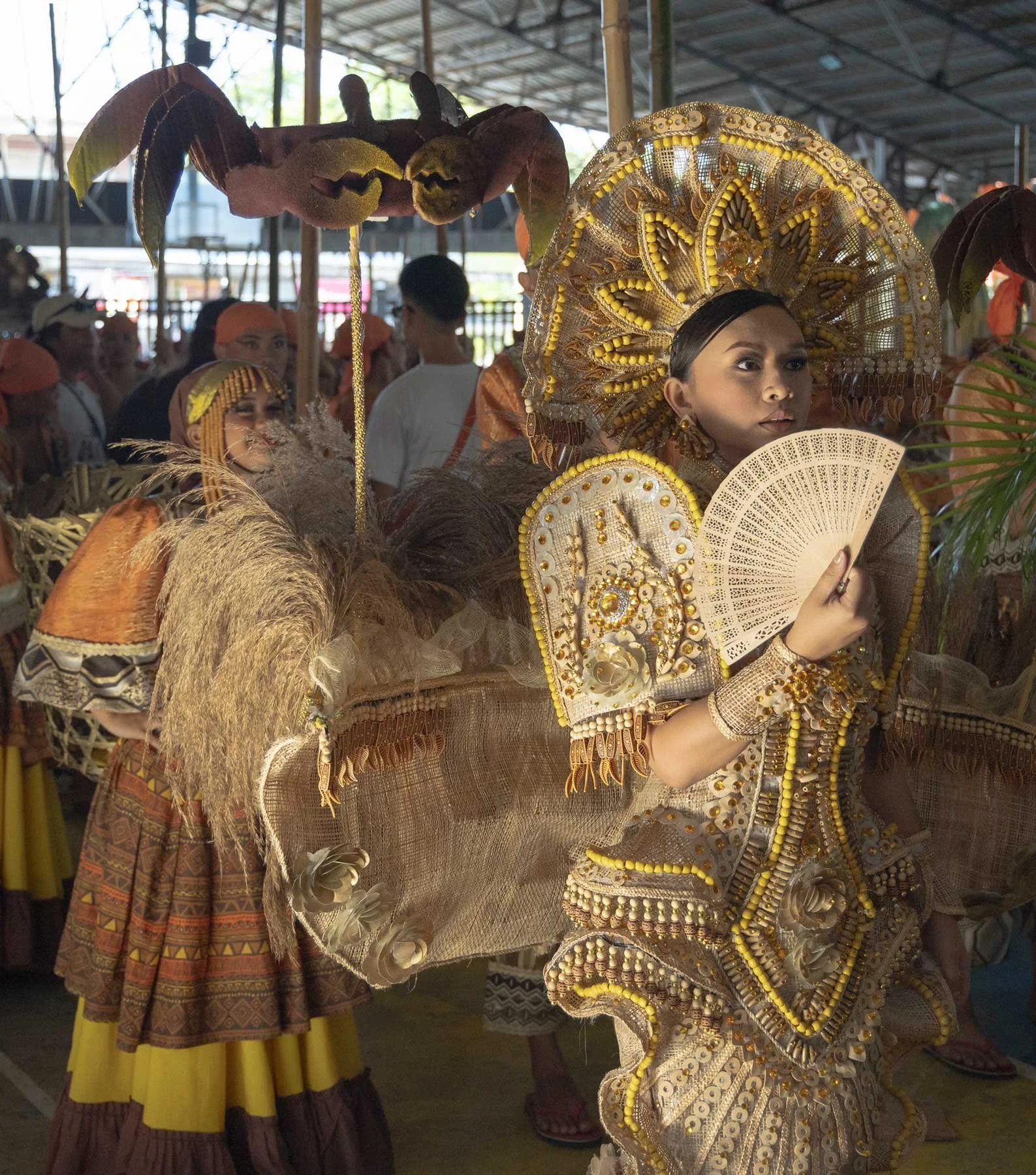
Festival Queen Samantha D. Rodriguez before performing at the Yag-Yag Festival. In this quiet moment before the performance, Samantha’s nervous expression reflects the natural tension that comes with being a Festival Queen. While the role is a source of pride, it also carries with it the pressure to perform flawlessly. Festival Queens are often encouraged to embody joy and confidence, with expectations to smile throughout the celebration. The process of preparing for the Festival is a collective effort, with choreographers guiding the Queens every step of the way. Though the advice and support come from a place of care, it can still be overwhelming for these young women, who are expected to represent their community and its values in a public space. For Samantha, like many Queens, the experience is a blend of excitement, responsibility, and the occasional nervousness that accompanies the spotlight.
Dumaguete City, April 28, 2024.
ON STAGING, TRUTH AND PHOTOGRAPHY
HM: There’s a long debate around staging in documentary work. How do you feel about recreating a scene you’ve seen in order to get a better picture?
CN: I don’t think staging is automatically wrong. It depends on the context and, above all, on transparency.
If a scene is staged but presented as unaltered reportage, it becomes problematic. If you stage an image and clearly declare it as such, that’s a different story—especially outside hard news.
For my own work, which is very candid and intimate, I almost never recreate situations. If something happens and I miss it, it’s gone. I’d rather wait for another moment than ask people to repeat what they did.
Even with portraits, I often get the real image after I tell the person, “Okay, we’re done.” When they relax, when they stop performing, that’s when something true appears. So I might position someone near a certain light, but then I wait for authenticity to slip through.
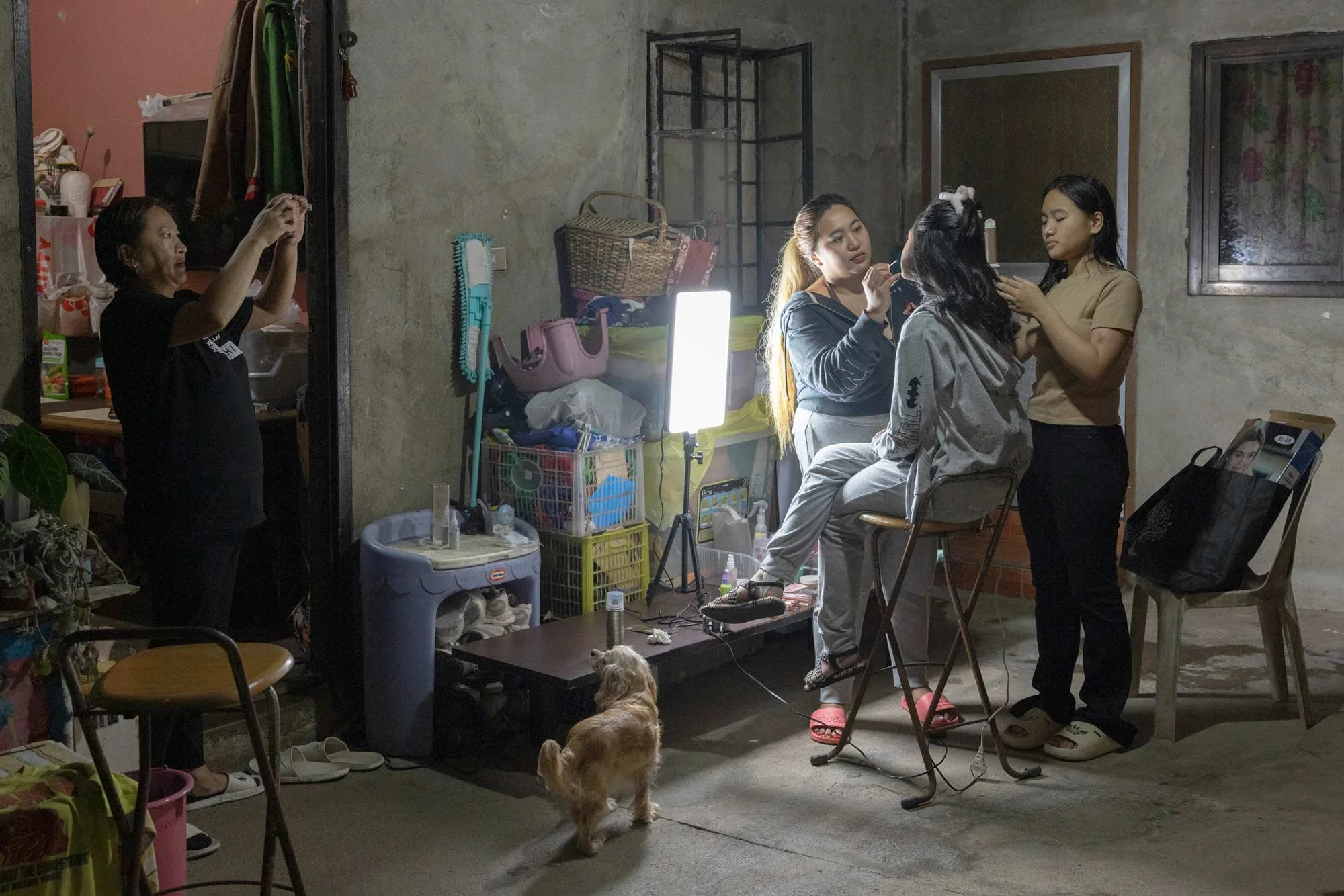
Queen Rovie Aguilar is carefully prepared for the Panagbenga Festival by her proud sisters, Raggae and Raven, who wake up early to tend to her hair and makeup starting at 3 a.m., despite having to go to work later. Although Rovie initially feared the costs of being a Festival Queen would be too much for the family, their unwavering support made it possible for her to step into the role. The early morning preparation is a reflection of the pride and sacrifice the family has made to help her live this moment.
Baguio, February 22, 2025.
INFLUENCES AND LOOKING BEYOND PHOTOGRAPHY
HM: Which photographers—or artists—have influenced you the most?
CN: At school I started with the classics: Cartier-Bresson, Capa—their commitment and way of being in the world resonated with me.
Later I was very struck by the work of Diana Markosian and Alessandra Sanguinetti, especially the intimacy they build and how they navigate the line between reality and staging.
But honestly, I look even more at painting and cinema than at photography. The Flemish masters, for example, the way they handle light and texture to convey emotion, are a huge reference for me. I do look at other photographers, and of course they influence me, but I try to seek inspiration from outside photography and let all these influences mix internally to emerge in my own way.
WHAT SHE HOPES HER WORK CAN DO
HM: What do you hope viewers take away from your work?
CN: Above all, a sense of shared humanity.
I’d like people to recognise themselves—even a little—in women fishing clams in the Po Delta, in Ukrainian caregivers, in festival queens in remote Philippine towns. I want them to feel closer to lives that are geographically or culturally distant.
If my images can make someone more curious about others, more willing to question their assumptions, or a bit less self-centred, I would consider that a meaningful outcome.
We tend to really care only when something affects us directly. I hope my work can gently push people beyond that circle.
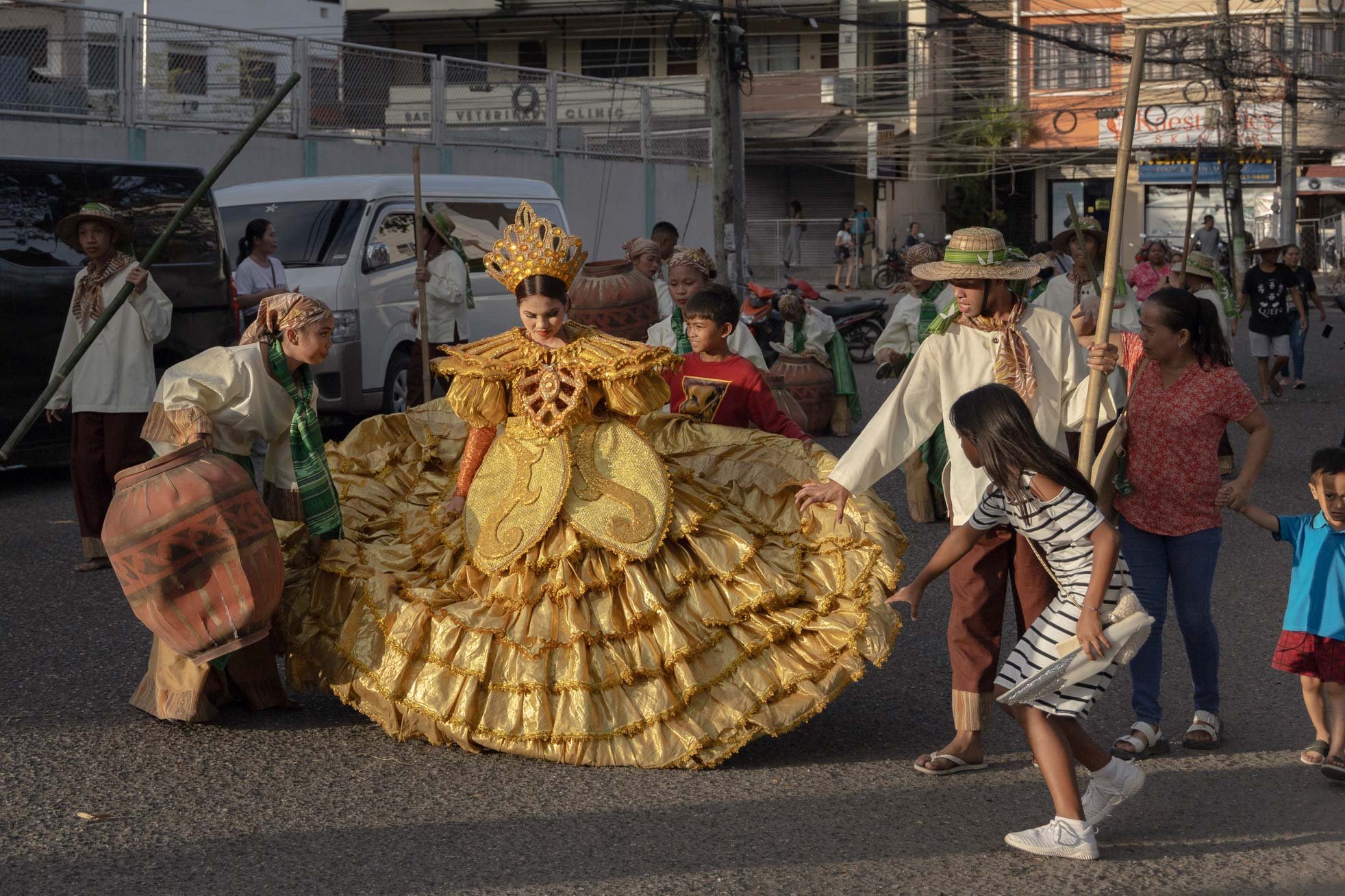
Festival Queen assisted on her way to the parade. Due to the weight of the elaborate costumes, assigned people assist the queens during the parade to ensure that they can move comfortably and safely through the floats.
Dumaguete City, April 21, 2024.
ADVICE TO YOUNG PHOTOGRAPHERS
HM: Imagine you’re giving a graduation speech to young photographers. What would you tell them?
CN: First, embrace that rejection is part of the process and you can’t avoid it. Don’t let a “no” stop you. In Italian we say senza fretta ma senza sosta: no rushing, but never stopping. Take one step at a time. This profession is a rollercoaster and every step may feel small, but looking back, you see the whole path.
Second, don’t start a story thinking, “This will sell.” Start it because it matters to you. Then think about how to make it resonate with the world, not the other way around.
Remember that if photography is your job, it is your passion first. Protect that love, even when deadlines, grants, or trends press in.
Bring value. Editors and collaborators don’t owe you assignments. Instead of asking for work, offer them something unique: an idea, a story, a perspective they don’t already have. Approach your work with curiosity and commitment. Over time, your path will unfold.
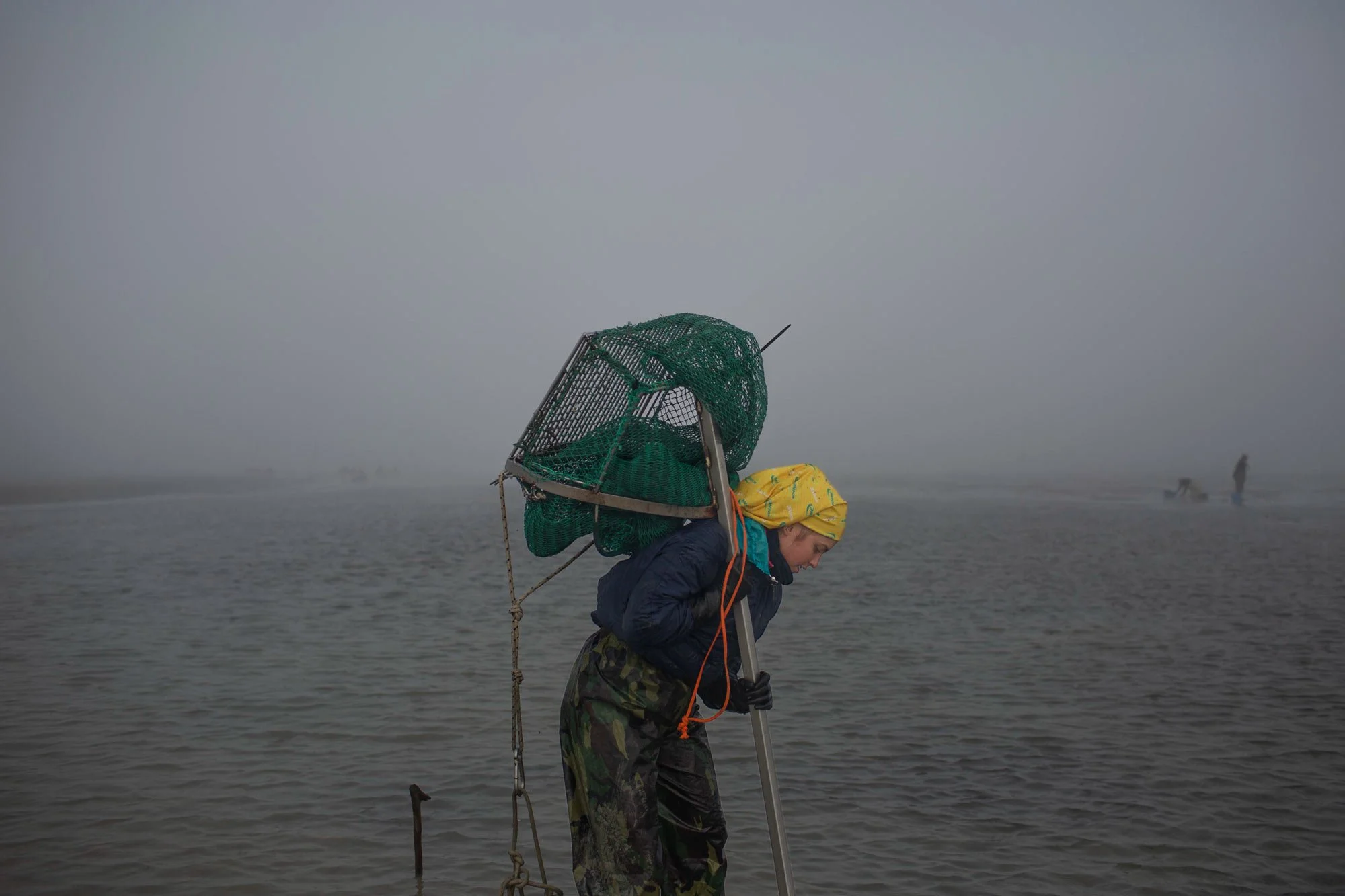
Chiara Vallati with a rasca, the traditional tool used to harvest clams while preserving the riverbed.
VULNERABILITY AS STRENGTH
HM: Is there anything about your creative process or yourself that you want people to understand better?
CN: Yes. That vulnerability is not a weakness.
For a long time, I felt that being emotional or sensitive was “wrong,” especially in documentary work. Photography, however, helped me realize that my vulnerability is also a strength. It allows me to connect more deeply, to be welcomed into intimate spaces, and to build genuine trust.
I don’t believe in the idea of the invisible photographer. I believe in being present as a human being within a scene. I share openly with my subjects: my fears, my doubts, my stories. It’s an exchange. I’m not only taking; I’m also giving.
For me, this is the essence of my work: being fully human alongside other humans, and using the camera as a bridge between us.